
Graduates
- Scored 40+ in the IB and 7s in the subjects they teach.

Choosing a "Safety" or "Insurance" University? Get strategic advice on finding a back-up choice with lower IB entry requirements that still offers an excellent course and student experience.
Navigating university applications while juggling the IB Diploma can feel like a high-stakes game. It’s exciting to aim for your "reach" universities, but a smart player always has a balanced strategy. That’s where "safety" or "insurance" universities come in.
Think of them not as fallback options, but as a strategic safety net. They are crucial parts of your plan that give you peace of mind and ensure you have an excellent place to thrive, no matter what happens on results day.
This guide will help you:
For you, a "safety" university is a place where your academic profile—your predicted grades, subject choices, and overall diploma score—is significantly stronger than their typical admission requirements. The general rule of thumb is that you should have a greater than 75% chance of being accepted.
This means your predicted IB score is comfortably above the average for students they admit to your chosen course. But here’s the most important part: a safety school is not a compromise on quality.
Choosing the right safety university is a mix of academic realism and personal preference. Use these four pillars to structure your research and make a smart decision.
Let's start with the numbers. This is the most objective part of the assessment.
A safety choice should never feel like you're settling academically. Your course should still challenge and excite you.
You have to imagine yourself living there for 3-4 years. This is about more than just your degree.
Finally, let's talk about the real-world factors that make a university a truly "safe" and viable choice.
Ready to find your safeties? Follow this process.
Choosing your safety universities is one of the smartest, most proactive steps you can take in your application journey. It’s about giving yourself options and guaranteeing that you’ll have a fantastic place to study, no matter what happens with your more competitive applications.
Remember, the IB has prepared you exceptionally well for university. You have the critical thinking, research, and time management skills that admissions officers everywhere are looking for. Use that strength to build a university list that makes you feel secure and excited for the future.

Decoding IB Scores: What's a 'Good' Score for Your Dream University? Find score ranges from minimum pass to competitive entry requirements for Oxford, Cambridge, and Ivy League.

What IB Score Do You Need for Top Universities? See the breakdown: 24 (Pass), 30-34 (Good), 38+ (Elite). Set realistic goals for top-tier universities.

Get your free IB University Application Checklist: a timeline of key tasks (research, personal statements, recommendations) aligned with your IB schedule.

IB parents: Navigate college applications with this guide. Get expert tips on deadlines and proofreading while supporting your IB student's ownership of the process.

Learn how to use your IB Extended Essay, CAS, and subject choices effectively to maximize your university application success and get into your dream college.

Learn how to ace your IB UCAS Application with this expert, step-by-step guide. Master your Personal Statement and ensure your predicted IB grades match your school's reference.
Find a comprehensive list of top US universities with strong IB recognition policies, compiled by 7/7 IB graduates.
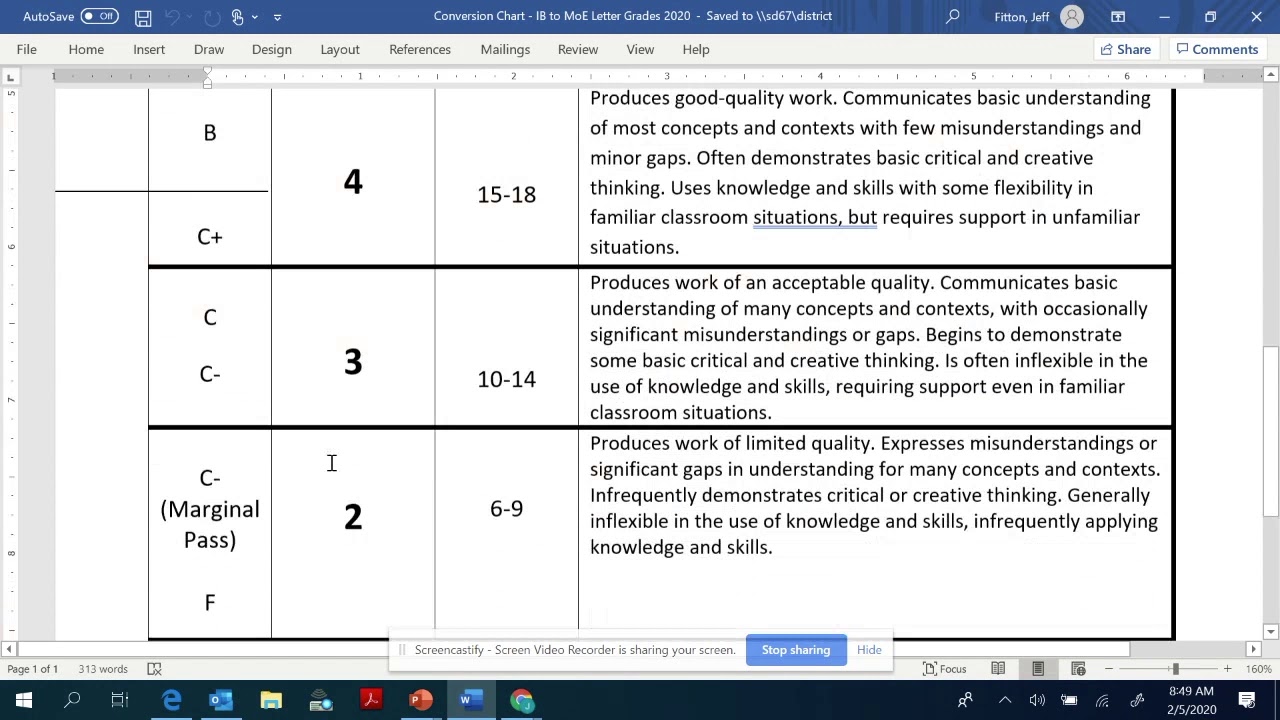
Oxbridge vs. Ivy League for IB students: Compare application styles—Oxford/Cambridge's academic focus vs. US Ivies' holistic approach (CAS, leadership).
600+ handpicked tutors from across the world with the best background and experience.


Geography shouldn't limit your potential. Lanterna provides premium online IB tutoring across the world, being partners with 250+ IB schools worldwide. Our country guides explore how the IB landscape shapes up and how our tutoring supports it perfectly.

1 hour of online tutoring in any subject with a 40+ IB graduate who scored a 7 in your subject.
No strings attached. By filling out the form you accept our T&Cs.
We are IB experts committed to achieving your academic goals.