
Graduates
- Scored 40+ in the IB and 7s in the subjects they teach.

Learn how to ace your IB UCAS Application with this expert, step-by-step guide. Master your Personal Statement and ensure your predicted IB grades match your school's reference.
If you are in your final IB year, you will have realised by now that you have a lot to do. As terms go, this is probably the busiest. Alongside all your IAs and mocks revision you also need to find time to apply to university. If you are applying for universities in the UK, this means tackling the beast that is UCAS. This week, therefore, I thought I’d set out the steps you need to follow to ace your UCAS application!
The UCAS application may only be a few electronic screens but it can be a daunting prospect. For most applicants though, what it says will be all the university uses to make a decision, so it is important to get it right. Before you get started inputting your information, therefore, it’s crucial that you check through what is required of you.
When you open UCAS, the first page you are taken too looks like this:
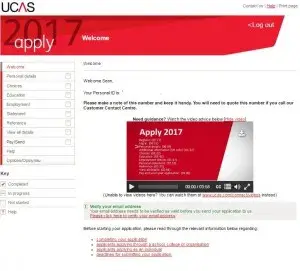
(Source: UCAS)
I recommend working through each section of the sidebar to ensure you fill everything out. The personal details section is a pretty easy one to start with. I would recommend, however, using an email address you check often. UCAS and universities mostly contact you via email and you don’t want to leave an offer waiting!
You’ll need to upload all the qualifications you have or are expected to get in this section. This means that you will need to get a hold of your GCSE (or equivalent) certificates so you have details such as exam boards. You will also need to put in your predicted IB grades. I’d always recommend putting in what your school has predicted for you. Don’t just make it up randomly! That way it will match your reference and consistency is key.
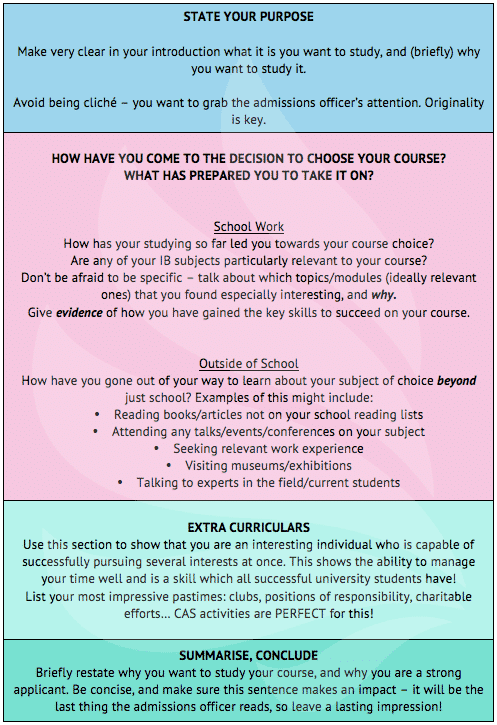
Your Personal Statement is basically the only chance you get to talk in your application- so make it count! Admissions tutors really take these into account so you need to persuade them that you are right for that course and their university. Some good things to include are:
If you plan to take a gap year, then you would be advised to make some mention of your plans and intentions in the personal statement and how the experience may assist you in your personal development or your appreciation of your subject. Let the essay plan underneath guide your thoughts in how to lay all your personal statement out.
This bit of the form is done by your teacher- so it’s not much to worry about!
Get your free IB University Application Checklist: a timeline of key tasks (research, personal statements, recommendations) aligned with your IB schedule.

IB parents: Navigate college applications with this guide. Get expert tips on deadlines and proofreading while supporting your IB student's ownership of the process.
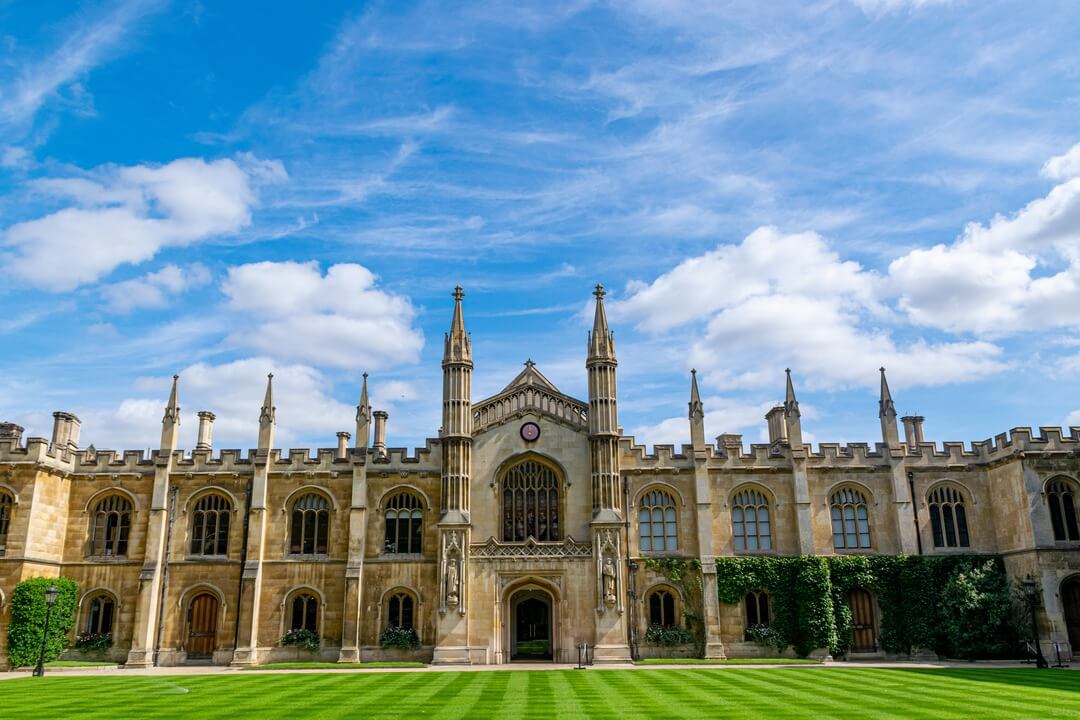
Decoding IB Scores: What's a 'Good' Score for Your Dream University? Find score ranges from minimum pass to competitive entry requirements for Oxford, Cambridge, and Ivy League.

What IB Score Do You Need for Top Universities? See the breakdown: 24 (Pass), 30-34 (Good), 38+ (Elite). Set realistic goals for top-tier universities.
Master your university application with "Before vs. After" motivation letter examples. Learn what admissions officers want to see and how to showcase your IB experience.

Learn how to apply to university in Canada as an IB student. Get expert knowledge on admissions, costs, and the application process, including common IB acceptance rates.

Learn how to apply to Netherlands universities as an IB student. Get expert insights on application deadlines, entry requirements (like the 33-point average DP score), and low tuition costs.

Learn how to use your IB Extended Essay, CAS, and subject choices effectively to maximize your university application success and get into your dream college.
600+ handpicked tutors from across the world with the best background and experience.


Geography shouldn't limit your potential. Lanterna provides premium online IB tutoring across the world, being partners with 250+ IB schools worldwide. Our country guides explore how the IB landscape shapes up and how our tutoring supports it perfectly.

1 hour of online tutoring in any subject with a 40+ IB graduate who scored a 7 in your subject.
No strings attached. By filling out the form you accept our T&Cs.
We are IB experts committed to achieving your academic goals.