
Graduates
- Scored 40+ in the IB and 7s in the subjects they teach.

Decoding IB Scores: What's a 'Good' Score for Your Dream University? Find score ranges from minimum pass to competitive entry requirements for Oxford, Cambridge, and Ivy League.
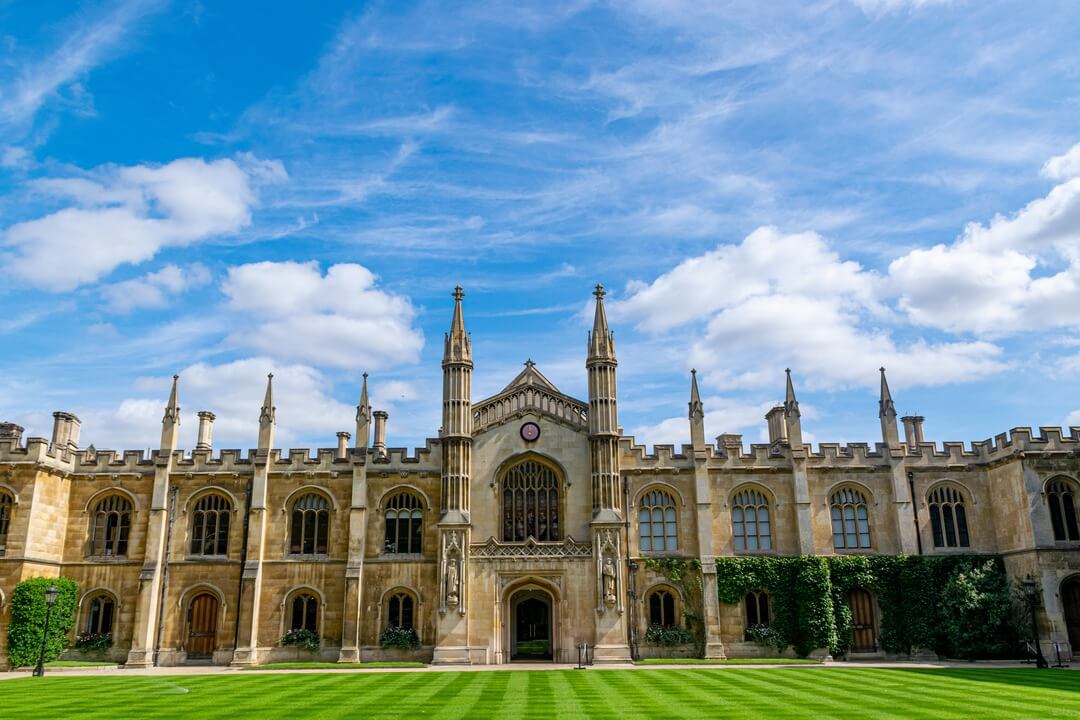
One of the first questions every IB student asks is, "What score do I need?". The answer isn't a single number; it's about understanding what different scores mean and aligning your target with your university ambitions. Let's break down the entire IB grading system, from the global average to the exact scores needed for top-tier universities, so you can set realistic and ambitious goals.
This guide is designed to help you set realistic, well-informed targets.
Your final IB score is a combination of your performance in six subjects and the three core components. Here’s the simple maths:
Your subject grades are what you should focus on day-to-day. Here's what they represent:
To know what a "good" score is, you first need to know what the average is. The worldwide average IBDP score typically hovers around 30 points.
You may have heard of higher averages in recent years. Scores between 2020-2022 were inflated due to assessment changes during the COVID-19 pandemic. Since 2023, grade distributions have returned to pre-pandemic standards. The May 2024 global average was just over 30 points (30.3 approximately).
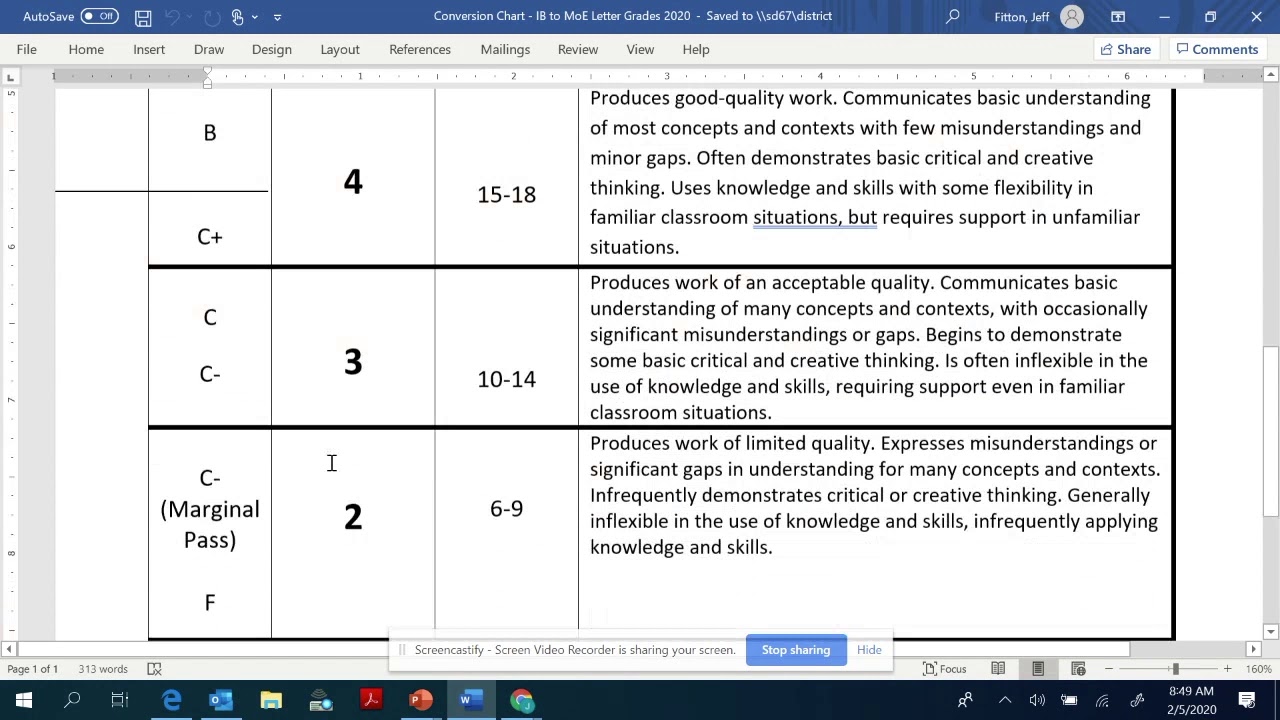
A "good" score is all about context. A 28 might be fantastic for one student's goals, while another needs a 42. Here’s how to think about the different score bands:
What it means: You've successfully earned the IB Diploma. A score of 24 is the minimum pass mark.
University Outlook: This range opens doors to many generally accessible universities, such as state universities and liberal arts colleges, particularly in the US and Canada.
What it means: You are an above-average IB student. This is a strong, respectable performance.
University Outlook: This is the sweet spot for a huge range of excellent universities worldwide. Most UK universities, for example, have standard offers in this bracket.
What it means: You are performing at a very high level, demonstrating strong academic ability across the board.
University Outlook: This score makes you a competitive applicant for most top-20 universities globally. You're in the running for selective programs and institutions.
What it means: You are in the top few percent of IB students worldwide. A score of 45 is achieved by less than 1% of candidates.
University Outlook: This is the target range for the most selective universities in the world, including Oxford, Cambridge, and the US Ivy League.
Let's get specific. While a holistic review is important (essays, extracurriculars), your IB score is the main academic benchmark. Here are a few typical score expectations for some of the world's most sought-after universities.
| University | Region | Typical IB Score Range |
|---|---|---|
| University of Oxford | UK | 38-40 (with 6s and 7s in HLs) |
| University of Cambridge | UK | 40-42 (with 7,7,6 in HLs) |
| Imperial / LSE / UCL | UK | 37-40 (very course-dependent) |
| Ivy League (e.g., Harvard, Yale) | USA | 40-42+ (strong HL scores are critical) |
| University of Toronto | Canada | 34-38+ (competitive programs need high 30s) |
| University of British Columbia (UBC) | Canada | 35-38+ (Vancouver campus is highly competitive) |
| McGill University | Canada | 33-37 (depending on the faculty) |
| Competitive European Unis | Europe | 36-38+ (e.g., Sorbonne) |
Scoring 24 points doesn't automatically guarantee you the diploma. The IB has several other "failing conditions" you need to avoid. A good tutor makes sure you know these from day one.
To pass the IB Diploma, you must:
Your "good score" is the one that gets you into the university where you'll thrive. Use this guide to set a clear target, understand the steps needed to get there, and start working towards it with confidence.
What IB Score Do You Need for Top Universities? See the breakdown: 24 (Pass), 30-34 (Good), 38+ (Elite). Set realistic goals for top-tier universities.
.png)
Learn how IB predicted grades work and why they're vital for university offers. Understand the role of mock exams and IAs, and discover what steps you can take.
.png)
Master your IB subject choices for university. Get strategic advice on crucial SL vs. HL differences and expert pathways for STEM, Business, and Humanities degrees.

IB vs. A-Levels vs. AP: Compare core differences in curriculum, assessment, and university recognition to choose the right pre-university path for your goals.
Find a comprehensive list of top US universities with strong IB recognition policies, compiled by 7/7 IB graduates.
Oxbridge vs. Ivy League for IB students: Compare application styles—Oxford/Cambridge's academic focus vs. US Ivies' holistic approach (CAS, leadership).

IB parents: Navigate college applications with this guide. Get expert tips on deadlines and proofreading while supporting your IB student's ownership of the process.

Learn how to use your IB Extended Essay, CAS, and subject choices effectively to maximize your university application success and get into your dream college.
600+ handpicked tutors from across the world with the best background and experience.


Geography shouldn't limit your potential. Lanterna provides premium online IB tutoring across the world, being partners with 250+ IB schools worldwide. Our country guides explore how the IB landscape shapes up and how our tutoring supports it perfectly.

1 hour of online tutoring in any subject with a 40+ IB graduate who scored a 7 in your subject.
No strings attached. By filling out the form you accept our T&Cs.
We are IB experts committed to achieving your academic goals.