
Graduates
- Scored 40+ in the IB and 7s in the subjects they teach.

IB Diploma Benefits for Parents: Justify the hard work with our guide on university preparation and essential skill development for a successful future.
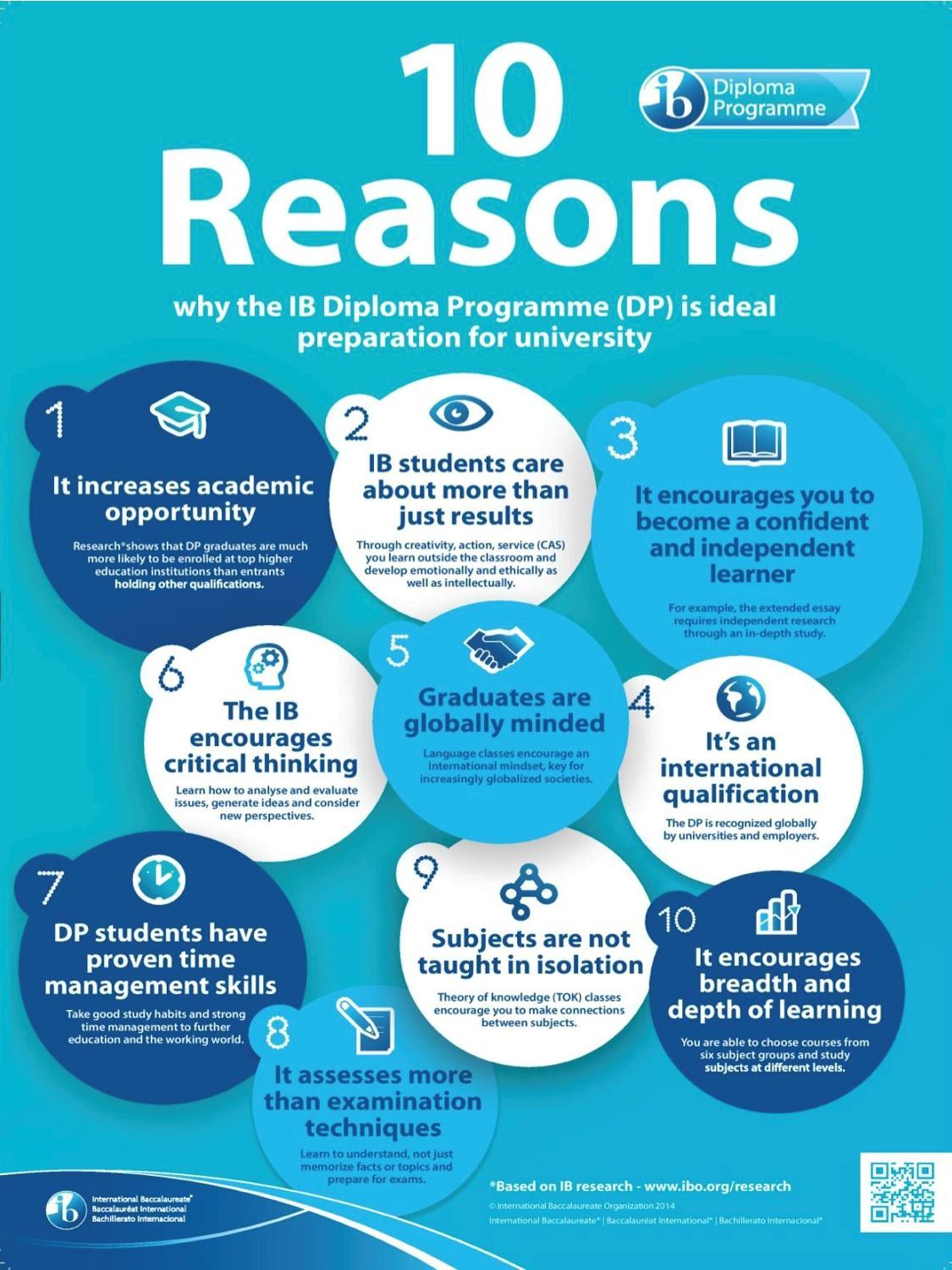
Signing-up for two years of the Extended Essay, TOK, CAS, and six different subjects can feel incredibly daunting. It’s the big question on every student’s (and parent’s) mind: will all the hard work really be worth it?
The short but resounding answer is 'yes'. The IB Diploma is much more than just a pathway to crucial grades; it’s a comprehensive training ground designed to equip you with the skills, mindset, and academic stamina that will enable you to thrive at university - and beyond! Think of it less as a series of final exams and more as a "pre-degree" program.
Let's break down exactly how the IB gives you this significant edge.
Before you even step foot on campus, the IB helps you stand out in a crowded field of applicants. Here’s why admissions officers value the Diploma so highly.
The IB Diploma is recognised and respected by top universities all over the world. An admissions officer in the UK, the US, or Australia knows exactly what a 40 in the IB means and the rigour required to achieve it. It’s a standardised, globally understood benchmark of excellence, putting you on a level playing field no matter where you're applying from or to.
Many non-IB students experience "academic shock" when they start their first year of university. The pace, independence, and intellectual depth required are on a completely different level. As an IB graduate, this transition is far smoother. In your subjects alone, the Higher Level (HL) content and forms of assessment often overlap with first-year university courses, giving you a massive head start. You won't just be surviving; you'll be prepared to engage with difficult concepts from day one.
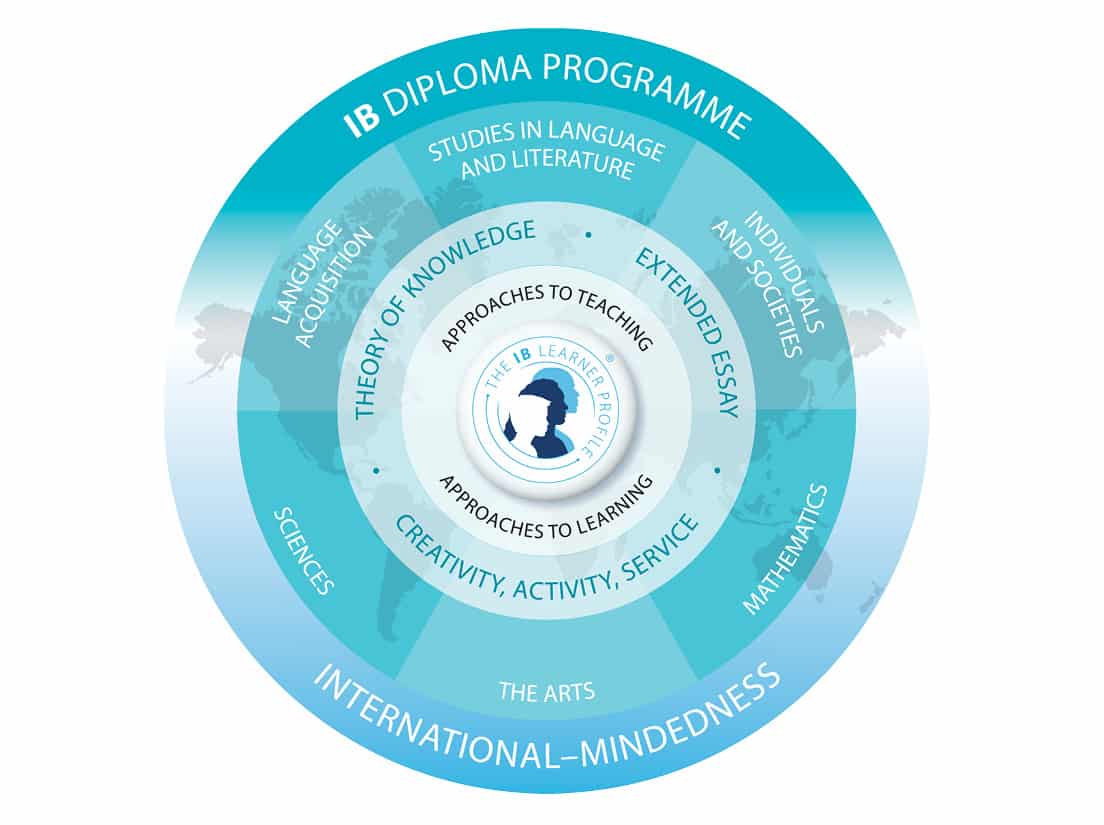
The structure of the IB, requiring you to study a range of subjects from sciences to humanities and a second language, prevents the premature specialisation often seen in domestic curricula. This is a huge advantage. It allows you to discover new interests and perspectives, keeping your university and career options wide open. At the same time, the three HL subjects allow you to dive deep into the areas you're most passionate about, proving you can handle in-depth academic work.
Beyond the grades and the application benefits, the IB fundamentally changes the way you learn. It builds a toolkit of essential skills that are the true currency of success in higher education.
Core Element: Theory of Knowledge (TOK)
TOK pushes you beyond simple memorisation. It teaches you to question assumptions, analyse evidence, and evaluate different perspectives. In a university seminar, you won't get marks for just repeating the textbook; you'll be expected to critique it. TOK is your training ground for this high-level critical inquiry.
Core Element: The Extended Essay (EE)
The 4,000-word Extended Essay is essentially a mini-dissertation in one of your favourite subjects. You learn how to formulate a research question, find and evaluate academic sources, structure a substantial argument, and reference your work properly. These are the exact skills you'll use for every major paper you write at university.
Core Element: The Entire Diploma!
Juggling six subjects, multiple Internal Assessments (IAs), the EE, TOK, and CAS builds elite-level organisation. The IB forces you to become a master of planning, prioritising, and meeting deadlines. This self-management is perhaps the single most important skill for university, where you are entirely in charge of your own schedule.
Core Element: All Subjects
From oral presentations in language subjects to written arguments in essays and group projects for CAS, the IB consistently demands clear and effective communication. You'll build the confidence to speak up in tutorials, collaborate effectively with peers, and express complex ideas with impact.
It is no secret: the IB Diploma is tough. All candidates go through challenging moments and demanding deadlines. But navigating this rigorous programme builds incredible resilience and adaptability. You learn how to manage stress, bounce back from a disappointing result, and use constructive feedback to improve. This mental toughness is invaluable for handling the pressures of university life and your future career.
So, when you're deep in study and wondering if it's all worth it, remember this: the IB Diploma is crafting you into the kind of student every university wants—independent, skilled, resilient, and ready to make a real impact.

IB vs. A-Levels vs. AP: Compare core differences in curriculum, assessment, and university recognition to choose the right pre-university path for your goals.
Decoding IB Scores: What's a 'Good' Score for Your Dream University? Find score ranges from minimum pass to competitive entry requirements for Oxford, Cambridge, and Ivy League.
What IB Score Do You Need for Top Universities? See the breakdown: 24 (Pass), 30-34 (Good), 38+ (Elite). Set realistic goals for top-tier universities.

Debunked: The truth about common IB Diploma myths ("IB is impossible," "no social life"). Get factual reassurance and reduce anxiety with this free guide from IB 7 grads.

Learn how to use your IB Extended Essay, CAS, and subject choices effectively to maximize your university application success and get into your dream college.

Discover the hardest IB subjects based on 2019 average score statistics. Learn which IB courses had the lowest scores to inform your subject choices.

Failed the IB Diploma? This solutions-oriented guide explains Course Certificates, November retake sessions, and alternative university pathways (Foundation years). Find out what to do next.
Deciding on the IB Diploma? Learn 5 key reasons why choosing the IB prepares you for university success, fosters independent thinking, and keeps your options open.
600+ handpicked tutors from across the world with the best background and experience.


Geography shouldn't limit your potential. Lanterna provides premium online IB tutoring across the world, being partners with 250+ IB schools worldwide. Our country guides explore how the IB landscape shapes up and how our tutoring supports it perfectly.

1 hour of online tutoring in any subject with a 40+ IB graduate who scored a 7 in your subject.
No strings attached. By filling out the form you accept our T&Cs.
We are IB experts committed to achieving your academic goals.