
Graduates
- Scored 40+ in the IB and 7s in the subjects they teach.

Debunked: The truth about common IB Diploma myths ("IB is impossible," "no social life"). Get factual reassurance and reduce anxiety with this free guide from IB 7 grads.
Think the IB is an impossible, all-consuming program that destroys your social life? You're not alone. The IB Diploma comes with a big reputation - and with it plenty of myths. As IB graduates, we're here to set the record straight and separate fact from fiction, so you can take on the IB with confidence.
Myth 1: The IB is only for "geniuses."
The Reality: This is probably the biggest and most discouraging myth. The IB isn't designed for a handful of super-gifted students; it's designed for motivated and curious ones. Success in the IB comes down to dedication, good organization, and having the right support system—not some innate, magical intelligence. The program is built to develop skills like critical thinking and time management step-by-step. It's about the journey of becoming a better student, not about already being a perfect one.
The Reality: The IB is indeed a rigorous programme. There will be busy times, moments when you will feel overwhelmed, but is it unmanageable? Absolutely not! The key to handling the IB workload is effective planning and time management. In fact, the IB actively encourages you to have a balanced life through its CAS (Creativity, Activity, Service) component. This isn't just another task; it's a well designed way to keep up with your hobbies, sports, and community work. Thousands of IB students successfully juggle their studies with sports teams, music, part-time jobs, and a healthy social life. It's all about working smarter, not just harder.
The Reality: This couldn't be further from the truth. While you do need to know your stuff, the IB's main goal is to teach you how to think, not just what to remember. It focuses on developing your analytical skills through class discussions, making connections between different subjects, and diving deep into the Theory of Knowledge (TOK). The assessment model is a balanced mix of Internal Assessments (like essays, research projects, and lab reports) and final exams. This structure tests your understanding, analysis, and ability to apply knowledge in different contexts—skills far more valuable than simple memorization.
The Reality: The IB Diploma is a globally recognized and highly respected qualification. It's valued by thousands of universities worldwide, including the most prestigious ones in the US, UK, and Europe. In India, the Association of Indian Universities (AIU) officially recognizes the IBDP as equivalent to the Grade 12 qualification, making IB students eligible for admission to top Indian colleges. In fact, universities often prefer IB students because they arrive with proven research skills, a strong work ethic, and a global perspective that sets them up for success in higher education.
The Reality: While the IB is an excellent programme that prepares you for university, that's not its only purpose. Instead, you can think of it as preparation for life. The skills you develop—flexible thinking, adaptability, research and communication skills, and an informed global perspective—are incredibly valuable in any career path. The IB aims to develop inquiring, knowledgeable, and caring young people. It's a holistic educational framework, not just a university entrance ticket. Unlike APs, which focus on individual subjects, the IB Diploma is a comprehensive program designed to develop you as a whole person.
The Reality: The IB's mission is to create a "better and more peaceful world through intercultural understanding and respect." It's fundamentally non-political and non-religious. The program encourages students to understand diverse perspectives and think critically about the world, but it never advocates for a single political system or religious belief. Furthermore, IB teachers undergo high-quality professional development to ensure they are well-equipped to facilitate this kind of open-minded, inquiry-based learning in the classroom.
Understand the IB Diploma Programme curriculum, subjects, and core elements (CAS, TOK, EE) with this expert guide. Learn how IB assessments and grading work.
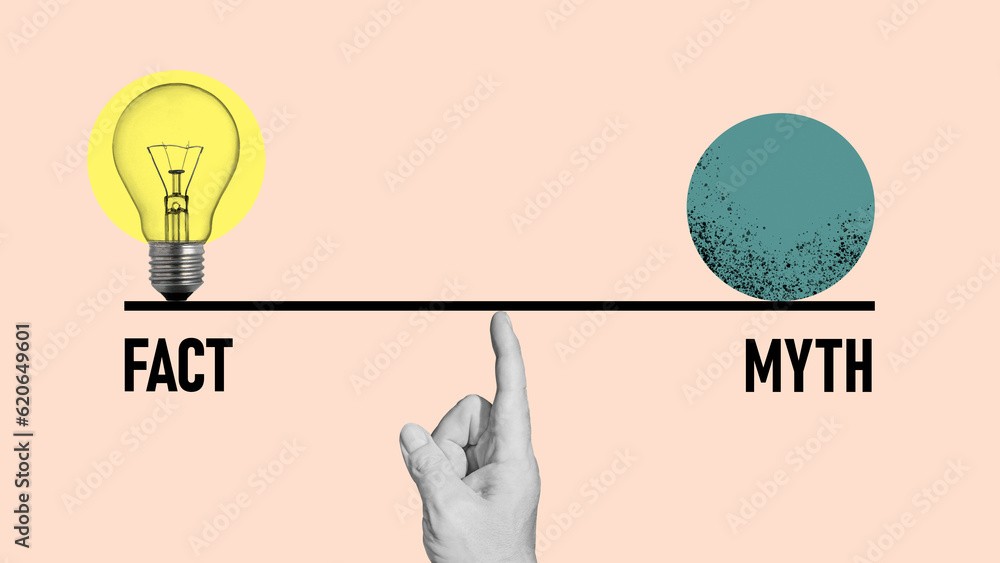
IB Myths vs. Facts for Parents: Address misconceptions like "IB will overwhelm my child" and discover how consistent work leads to success and a positive mindset.

How hard is the IB Diploma? Learn the facts, not the myths, about the IB pass rate and average score. Get expert, reassuring insights from Lanterna tutors.

Understand the key differences between A-levels and IB. Learn about subject load, specialisation, mandatory research (Extended Essay/EPQ), and UCAS points conversion.

Understand the International Baccalaureate (IB) program: its diploma structure, core components (Extended Essay, CAS, TOK), curriculum, and benefits for university success.
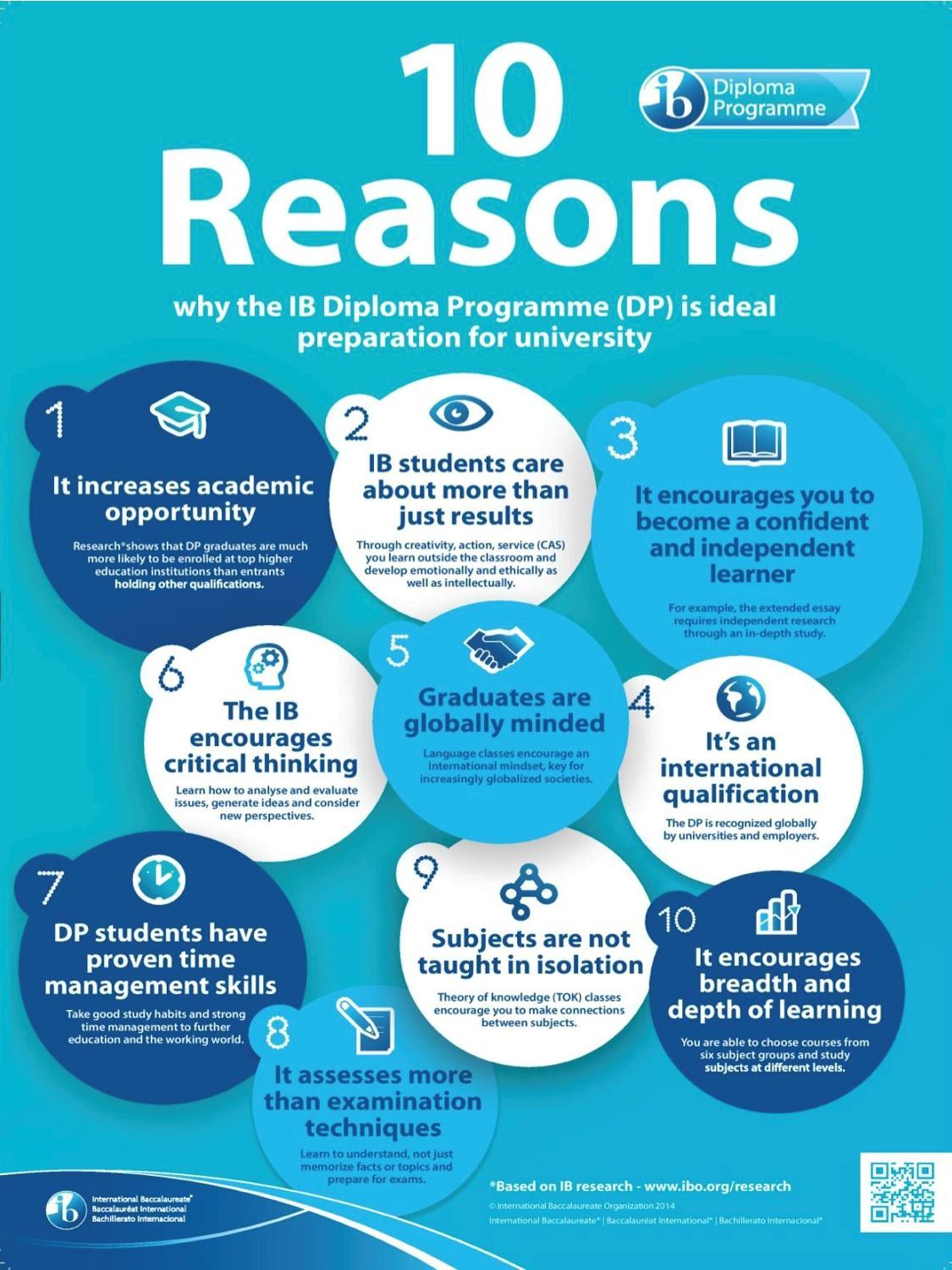
IB Diploma Benefits for Parents: Justify the hard work with our guide on university preparation and essential skill development for a successful future.
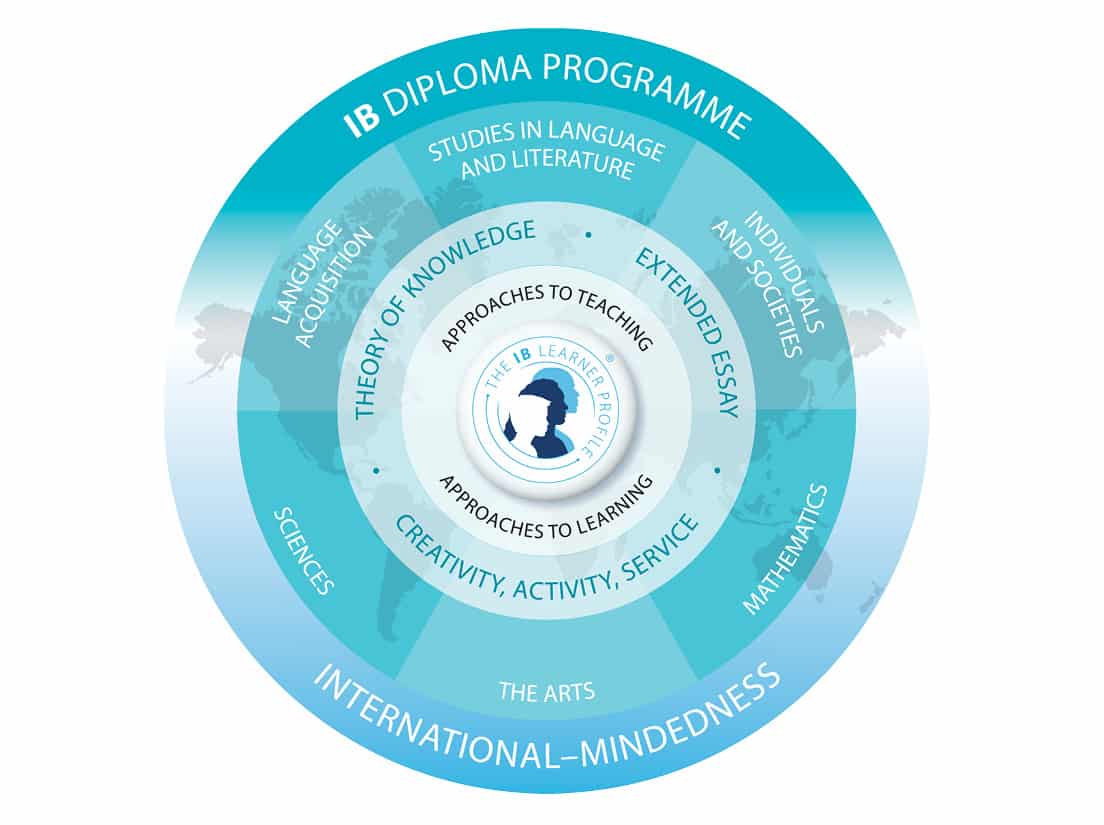
A complete guide to the IB Diploma Programme. Understand its core components (TOK, EE, CAS), subject groups, and grading system. Learn why the IB offers outstanding preparation for university.
Deciding on the IB Diploma? Learn 5 key reasons why choosing the IB prepares you for university success, fosters independent thinking, and keeps your options open.
600+ handpicked tutors from across the world with the best background and experience.

Geography shouldn't limit your potential. Lanterna provides premium online IB tutoring across the world, being partners with 250+ IB schools worldwide. Our country guides explore how the IB landscape shapes up and how our tutoring supports it perfectly.

1 hour of online tutoring in any subject with a 40+ IB graduate who scored a 7 in your subject.
No strings attached. By filling out the form you accept our T&Cs.
We are IB experts committed to achieving your academic goals.