
Graduates
- Scored 40+ in the IB and 7s in the subjects they teach.

IB vs. A-Levels: Find the ultimate comparison of breadth vs. depth to help parents choose the best education system for their child. Free guide by IB 7 grads.
Choosing the right pre-university education is a pivotal moment. The International Baccalaureate (IB) Diploma and A-Levels are two of the most respected qualifications globally, but they are built on fundamentally different philosophies. This guide is designed to help you and your child navigate this choice by breaking down the core debate: breadth versus depth.
At Lanterna, our team is filled with former IB graduates. We've lived this system and tutored hundreds of students through both pathways. We're here to give you the "insider" perspective to make the best decision for your family.
By using this guide, you will be able to:
At the heart of the IB vs. A-Levels discussion is a simple question: is it better for a student to know a lot about a few things, or a fair amount about many things? Both have huge advantages.
The IB is a comprehensive and balanced programme designed to create well-rounded, critical thinkers. It's about building connections across disciplines and developing a global perspective.
A-Levels are all about specialization. They allow you to drop the subjects you dislike and focus intensely on the 3-4 areas you are passionate about and will likely pursue at university.
Let's break down the practical differences in a clear, side-by-side format.
| Feature | IB Diploma Programme | A-Levels |
|---|---|---|
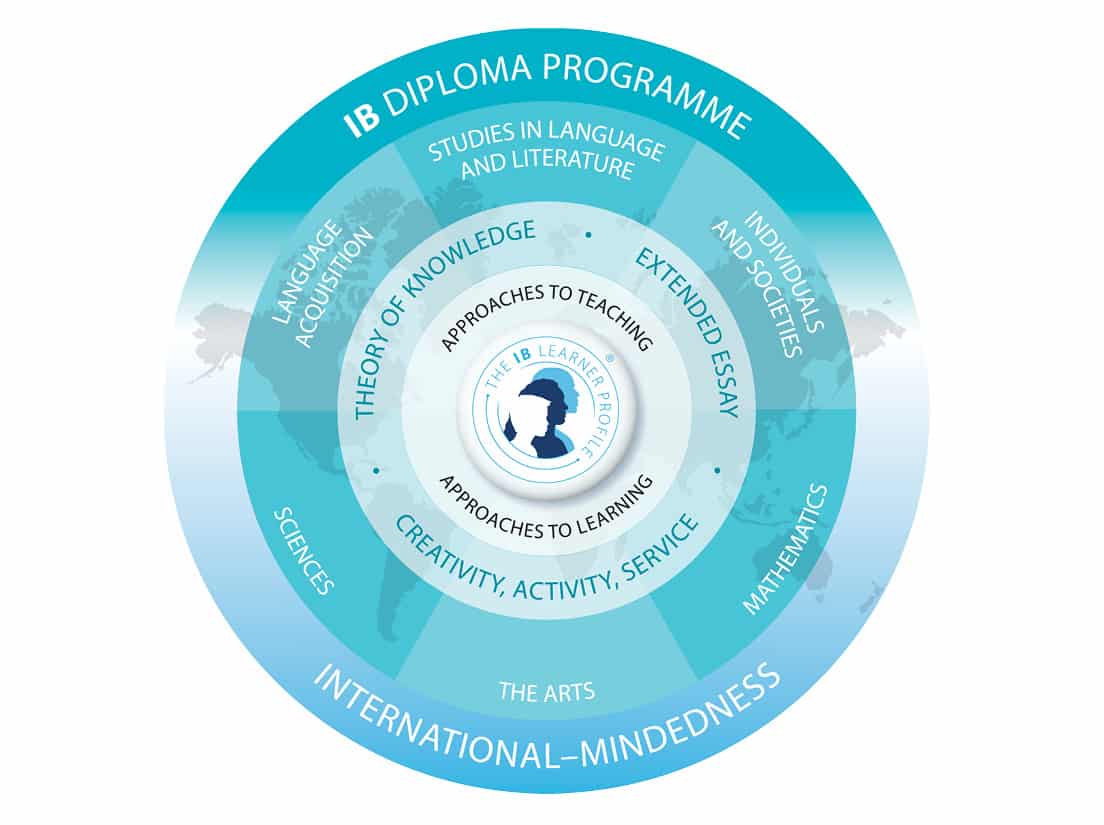
| Subject Choice | Structured choice from six subject groups (3 HL, 3 SL), ensuring breadth across humanities, sciences, arts, and languages. | Flexible choice of 3-4 subjects, allowing for deep specialization. |
| Core Components | Compulsory TOK, Extended Essay (EE), and CAS are integral to passing the diploma. | No compulsory core elements. Enrichment activities are often extra-curricular. |
| Assessment | A mix of final exams (60-80%) and internal assessments (IAs) like essays, lab reports, and presentations spread throughout the two years. | Primarily assessed through final external examinations. Coursework is less common and depends on the subject. |
| Workload & Skills | Demands excellent time management to juggle six subjects and the Core. Fosters research skills, critical thinking, and interdisciplinary understanding. | Requires deep analytical skills within chosen subjects and strong exam technique. The workload intensifies significantly leading up to final exams. |
| University Prep | Favoured by universities for producing independent, well-rounded learners. The EE is seen as superb preparation for undergraduate research. | Highly valued for providing in-depth subject knowledge, making students well-prepared for specialized degrees (e.g., Medicine, Engineering). |
There is no "better" qualification, only a better fit for a particular student. Use this checklist to think about your child's learning style and personality.
As former IB students, we found the programme's emphasis on research and critical thinking gave us a huge head start at university. However, we have seen A-Level students with a deep passion for their subjects excel far beyond their peers.
Ultimately, the choice hinges on answering one question: Do you want to build a versatile academic toolkit (IB) or sharpen a few expert tools (A-Levels)? By considering your child's personality, learning style, and future goals, you can make a confident decision that sets them on the right path for success.

IB vs. A-Levels vs. AP: Compare core differences in curriculum, assessment, and university recognition to choose the right pre-university path for your goals.
IB MYP vs. GCSE: Is the Middle Years Programme right for your child? Our parent's guide explains the IB MYP curriculum, assessment, and comparison to the GCSE system.
Understand the key differences between A-levels and IB. Learn about subject load, specialisation, mandatory research (Extended Essay/EPQ), and UCAS points conversion.

IB vs A-Level: Discover which diploma sets you up best for university acceptance, higher grades, and better career prospects, based on HESA student data.
Deciding on the IB Diploma? Learn 5 key reasons why choosing the IB prepares you for university success, fosters independent thinking, and keeps your options open.
.png)
Master your IB subject choices for university. Get strategic advice on crucial SL vs. HL differences and expert pathways for STEM, Business, and Humanities degrees.

Choosing your IB subjects is key. Learn how to align your choices with university course requirements and career aspirations to keep your options open and succeed in the IB Diploma.

Deciding between IB Literature and Language & Literature? Learn the exact differences in focus, texts studied, and assessment requirements for IB English A courses.
600+ handpicked tutors from across the world with the best background and experience.


Geography shouldn't limit your potential. Lanterna provides premium online IB tutoring across the world, being partners with 250+ IB schools worldwide. Our country guides explore how the IB landscape shapes up and how our tutoring supports it perfectly.

1 hour of online tutoring in any subject with a 40+ IB graduate who scored a 7 in your subject.
No strings attached. By filling out the form you accept our T&Cs.
We are IB experts committed to achieving your academic goals.