
Graduates
- Scored 40+ in the IB and 7s in the subjects they teach.

Learn how to write a commentary for IB Language and Literature Paper 1 with an expert's 14-step guide. Master SL/HL assessment criteria and ace your IB exam.
Many students, both HL and SL, come to Lanterna for help with Paper 1, the unseen part of the IB English A: Language and Literature course. This guide covers the most common concerns and gives you a reliable method for writing a high-scoring guided textual analysis, the official name for the Paper 1 commentary.
A lot of older Paper 1 advice is out of date. Under the current syllabus (first assessed in 2021), Higher Level students no longer compare two texts, and the assessment criteria have changed. Everything below reflects the current format.
In the exam you are given two unseen non-literary texts, usually of different text types. Each comes with a guiding question. Texts can be anything from an opinion column, speech or interview to an advert, infographic, web page, brochure or political cartoon, and many of them combine words with images.
The guiding question is there to help you into the text, and it is not compulsory. You can answer it directly or follow your own line of analysis. Examiners reward the quality of your analysis, not whether you followed the prompt.
Every Paper 1 response, at SL and HL alike, is marked against the same four criteria, each worth 5 marks. It is very important to understand them before you think about how to structure your analysis.
Criterion A – Understanding and interpretation
Examiners want an understanding of what the text reveals and what can be inferred from it, supported by references to the text. Top marks go to a detailed, insightful grasp of the surface meaning together with a convincing and nuanced inferential understanding, backed by well-selected evidence. Show this from the very start of your analysis: it should be the first thing you work out when you read the text.
Criterion B – Analysis and evaluation
This is about how language, style and structure construct meaning, and your ability to evaluate the writer’s choices. Avoid describing what the text says. Explain how specific techniques (including visual features such as images, layout, typography and colour) shape meaning and affect the intended audience, and judge how effective they are.
Criterion C – Focus and organization
Your ideas need to be organised in a coherent, focused way. Avoid a line-by-line approach. Instead, organise your paragraphs around a clear central argument and the key features of the text.
Criterion D – Language
Write with clarity, accuracy and variety, in an appropriate academic register, using relevant terminology where it helps. Avoid slang, and keep your quotations short and well embedded in your own sentences.
These steps are timed for a 75-minute Standard Level paper. At Higher Level, follow the same process twice: once for each text (see the HL section below).
The more you practise, the more comfortable you will be writing four or five body paragraphs. That is absolutely fine, and the same method still applies.
At HL, Paper 1 is a test of consistency and time management. You write two separate, self-contained analyses, one for each text, and each is marked independently out of 20 against the same four criteria. There is no comparison: comparing the texts earns no extra credit and uses up time you need for analysis.

IB English: Lang & Lit vs. Literature? Compare syllabus, SL/HL assessments, and reading lists to choose the right course for your IB Diploma.
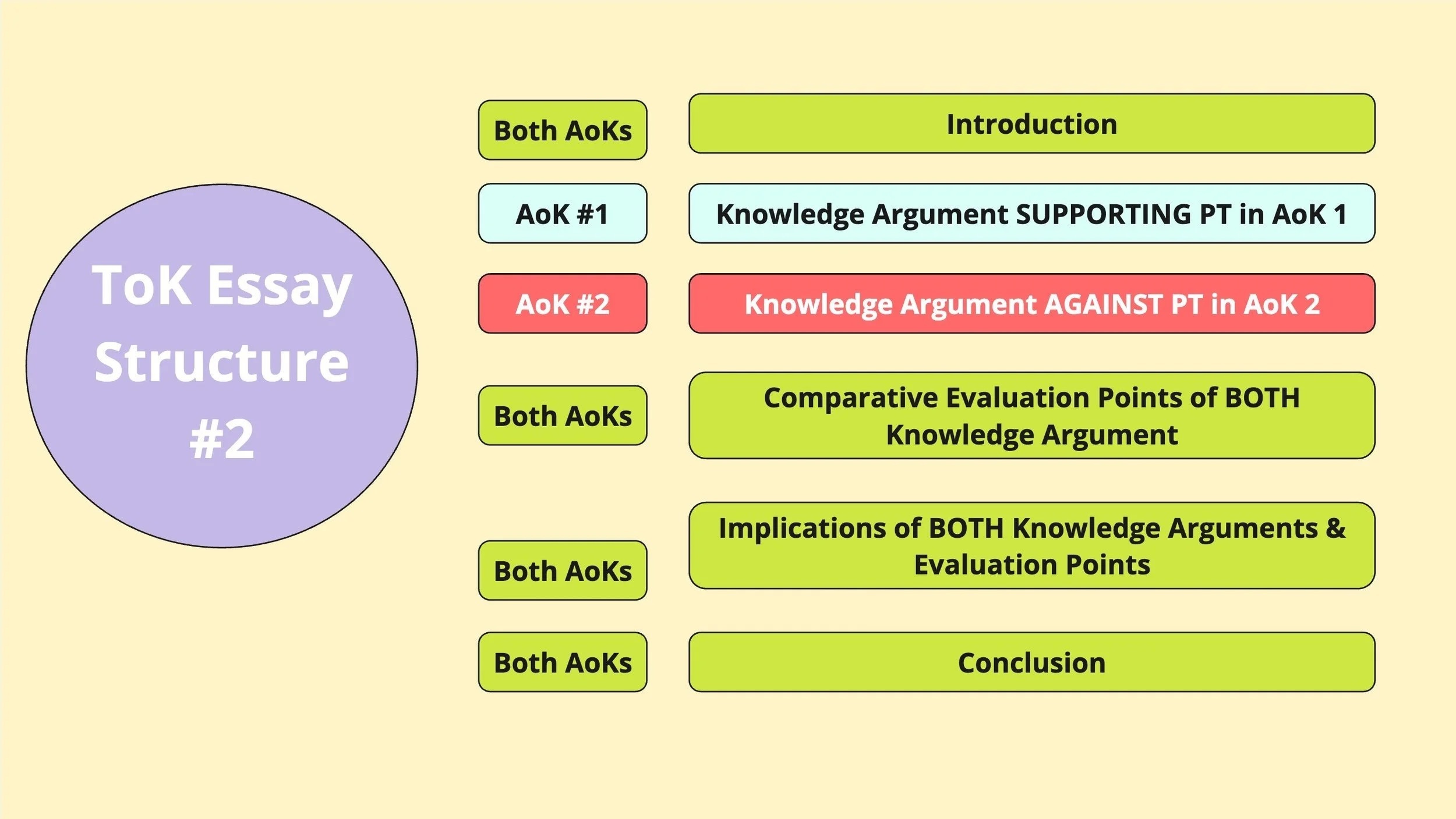
Master the IB TOK Essay structure with our complete guide. Get step-by-step outlines for your introduction, AOK paragraphs (claims/counterclaims), and conclusion to hit top markbands.

Deciding between IB Literature and Language & Literature? Learn the exact differences in focus, texts studied, and assessment requirements for IB English A courses.
Understand the IB English Literature IA requirements. Learn about the 3 parts, word counts, oral commentary tips, and grading criteria from an expert IB tutor.

Master the IB English Paper 2 comparative essay. Learn how to structure your answer, manage time, and apply expert revision tips for a balanced, high-scoring response.

Mastering IB argumentative essays is key to top grades. Learn expert strategies for strong evidence, logical premises, and critical self-evaluation in your IB IAs and TOK Essay.

Learn how to plan IB exam essays effectively, even when time is tight. Master the simple essay plan grid and expert revision tips for concise, high-scoring responses.
Learn how to write a successful IB essay and score higher grades. Get top tips from an expert tutor on structure, planning, and clarity for your next assessment.
600+ handpicked tutors from across the world with the best background and experience.

Geography shouldn't limit your potential. Lanterna provides premium online IB tutoring across the world, being partners with 250+ IB schools worldwide. Our country guides explore how the IB landscape shapes up and how our tutoring supports it perfectly.

1 hour of online tutoring in any subject with a 40+ IB graduate who scored a 7 in your subject.
No strings attached. By filling out the form you accept our T&Cs.
We are IB experts committed to achieving your academic goals.