
Graduates
- Scored 40+ in the IB and 7s in the subjects they teach.

IB English: Lang & Lit vs. Literature? Compare syllabus, SL/HL assessments, and reading lists to choose the right course for your IB Diploma.
.png)
Choosing your Group 1 subject can feel like a huge decision — and the names “English A: Language and Literature” and “English A: Literature” don’t exactly make that choice any clearer. They sound almost identical, but the experience of studying them can be worlds apart. Are you drawn to close analysis of classic novels and poetry, or are you more interested in how a political speech or a clever advert shapes the way we think?
This guide is designed to break it all down, just like a one-to-one tutor session. We’ll compare the reading lists, the exams, and the skills you’ll develop, so you can choose the course that isn’t just perceived as “easier”, but is genuinely the better fit for you.
Before we get into the details let's understand the fundamental difference in what each course is trying to achieve.
The Question: "Why and how do we tell stories?"
This course is a deep, focused dive into the world of literary art. You'll exclusively study novels, plays, and poetry. The goal is to appreciate the artistry of these texts, analyzing how authors use language, structure, and literary devices to create meaning and evoke emotion. It's about understanding literary traditions and engaging critically with complex works of fiction.
The Question: "How does language shape our world?"
This is a more versatile, multidisciplinary course that combines the study of literary works with an equal focus on non-literary texts, such as advertisements, speeches, news articles, and social media. Students develop the skills to analyse communication in all its forms, understanding how language is used to inform, persuade, and entertain in real-world contexts.
Here’s a quick breakdown of the key differences to help you see where you might fit best.
| Feature | English A: Literature | English A: Language & Literature |
|---|---|---|
| Core Focus | Intensive, deep analysis of purely literary texts. | Broad analysis of both literary AND non-literary texts (PSA's, ads, etc.). |
| Reading List (SL) | 9 literary works. | 4 literary works + a wide range of non-literary "bodies of work". |
| Reading List (HL) | 13 literary works. | 6 literary works + a wide range of non-literary "bodies of work". |
| Paper 1 Challenge | Guided analysis of one (SL) or two (HL) unseen literary texts (e.g., poetry, prose). | Guided analysis of one (SL) or two (HL) unseen non-literary texts (e.g., an ad, an infographic). |
| Key Skills | Close reading, understanding literary theory, sophisticated essay writing, interpreting abstract concepts. | Versatility, analyzing rhetorical/visual techniques, understanding context, comparing diverse text types. |
| Ideal For You If... | You love reading classic novels and poetry, enjoy discussing symbolism, and want to study humanities or literature at university. | You are curious about media, politics, and culture, enjoy deconstructing arguments, and are considering careers in law, marketing, or journalism. |
The structure of the assessments is similar, but the content of Paper 1 and the focus of the IAs are critically different. This is often the deciding factor for students.
This is the question most students ask, and the honest answer is that it depends on your strengths.
Literature is often perceived as more challenging because of its depth. The Paper 1 unseen literary analysis, in particular, is demanding and requires a high level of skill in interpreting complex language, structure, and literary techniques under strict time constraints. Students who find poetry or abstract symbolism difficult may find this aspect especially challenging.
Language and Literature presents a different kind of difficulty: breadth. Students are expected to move confidently between literary texts and non-literary materials, analysing everything from Shakespeare to advertising and political messaging. The challenge lies in adaptability, applying appropriate analytical frameworks to a wide range of texts, many of which do not follow traditional literary conventions.

Deciding between IB Literature and Language & Literature? Learn the exact differences in focus, texts studied, and assessment requirements for IB English A courses.
Learn how to write a commentary for IB Language and Literature Paper 1 with an expert's 14-step guide. Master SL/HL assessment criteria and ace your IB exam.
Understand the IB English Literature IA requirements. Learn about the 3 parts, word counts, oral commentary tips, and grading criteria from an expert IB tutor.

Master the IB English Paper 2 comparative essay. Learn how to structure your answer, manage time, and apply expert revision tips for a balanced, high-scoring response.

Understand how examiners think and learn expert IB English IO revision tips, including grading criteria and structure, to smash your oral presentation.
What is the Extended Essay (EE)? Get a complete overview of this mandatory 4,000-word research paper in the IB Diploma Programme core.
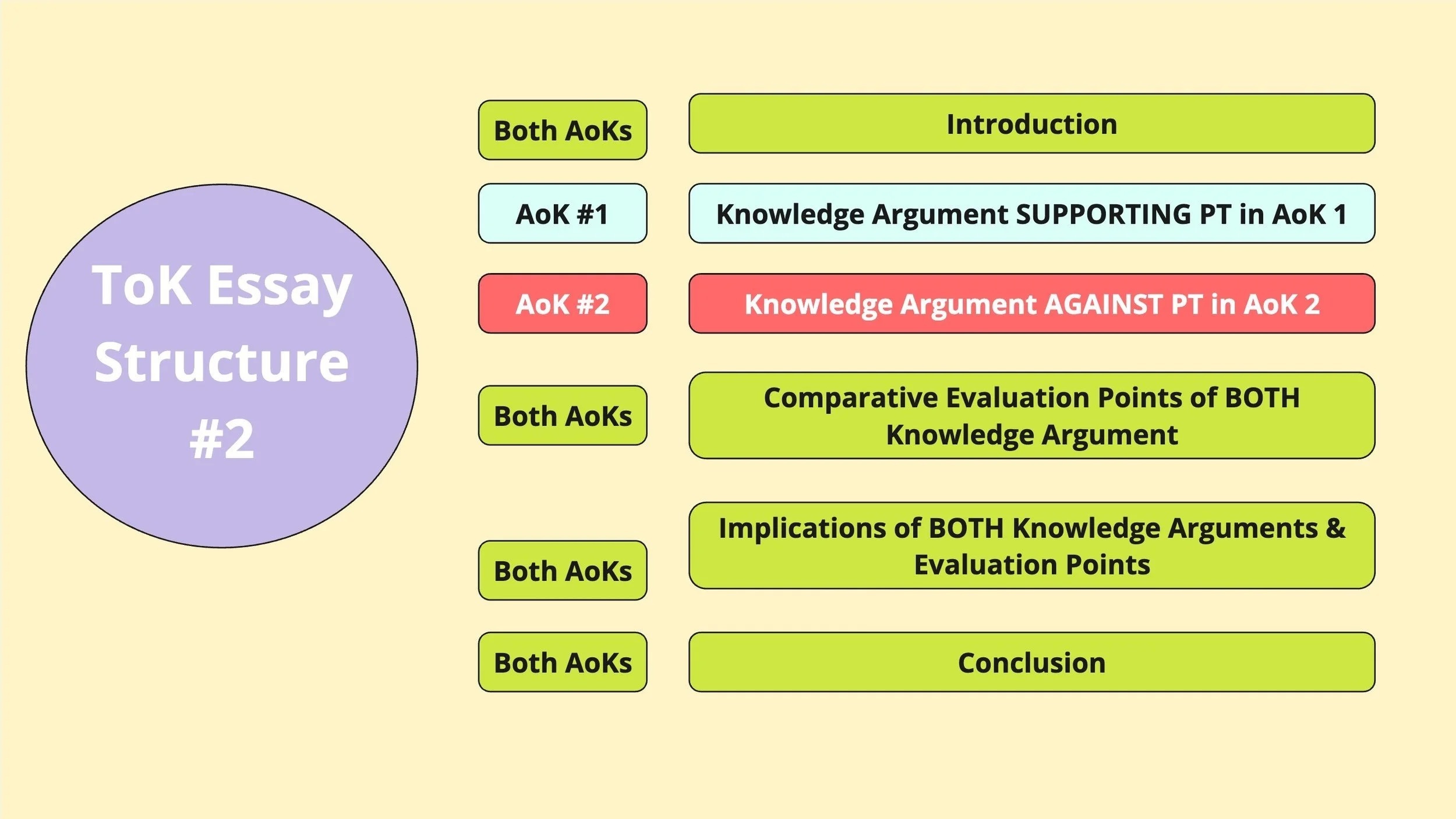
Master the IB TOK Essay structure with our complete guide. Get step-by-step outlines for your introduction, AOK paragraphs (claims/counterclaims), and conclusion to hit top markbands.
Learn how to write a successful IB essay and score higher grades. Get top tips from an expert tutor on structure, planning, and clarity for your next assessment.
600+ handpicked tutors from across the world with the best background and experience.


Geography shouldn't limit your potential. Lanterna provides premium online IB tutoring across the world, being partners with 250+ IB schools worldwide. Our country guides explore how the IB landscape shapes up and how our tutoring supports it perfectly.

1 hour of online tutoring in any subject with a 40+ IB graduate who scored a 7 in your subject.
No strings attached. By filling out the form you accept our T&Cs.
We are IB experts committed to achieving your academic goals.