Lanterna Education | Online IB Tutoring
DP1DP2StudentsTOKUltimate GuideStudy Skills

IB TOK Essay Structure Guide

Master the IB TOK Essay structure with our complete guide. Get step-by-step outlines for your introduction, AOK paragraphs (claims/counterclaims), and conclusion to hit top markbands.

Zubia Akbar
January 20, 20268 min read
Banner

Mastering the TOK Essay: The Only Structure Template You'll Need

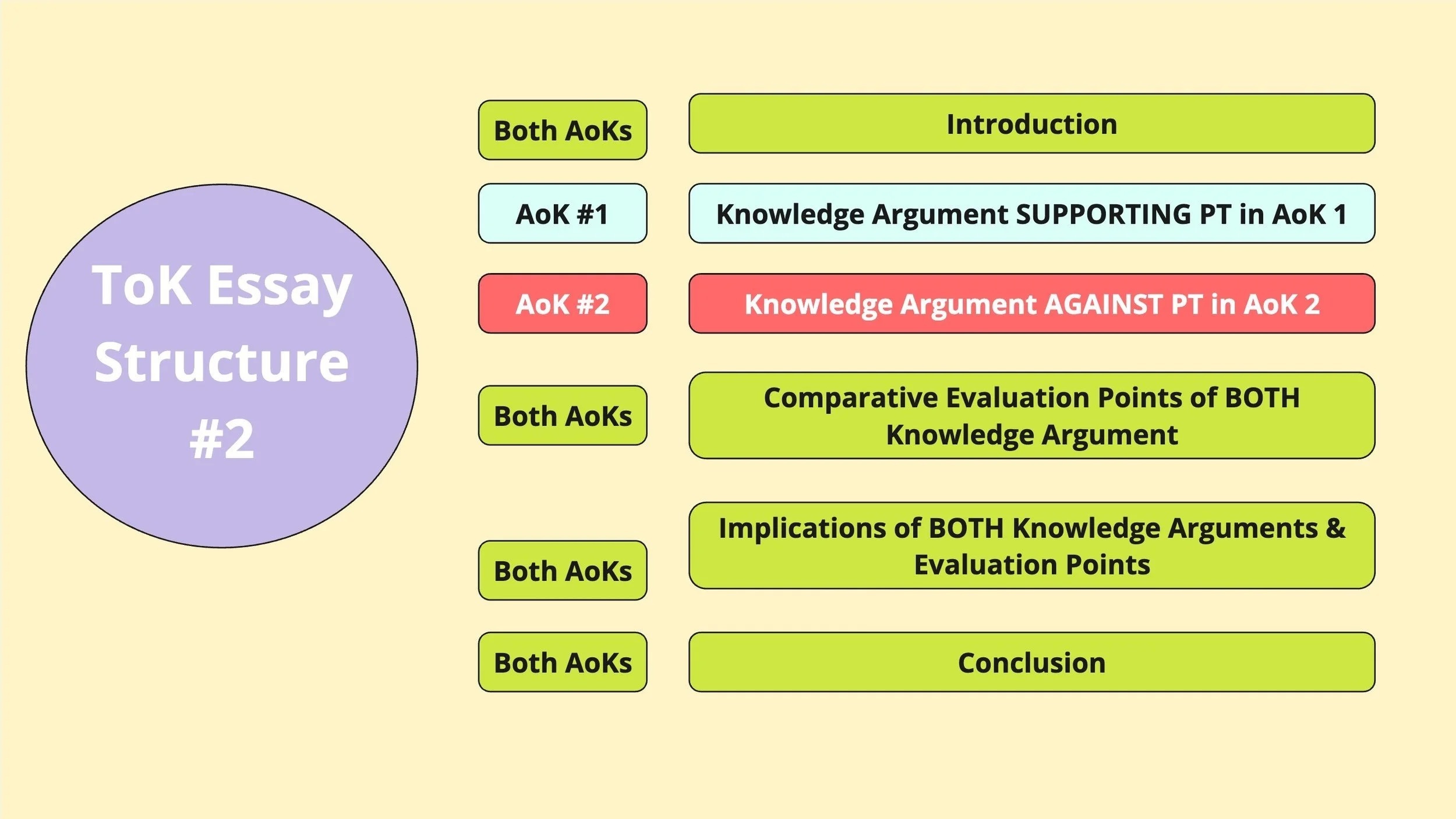
Let's be honest, staring at a blank page with a TOK Prescribed Title (PT) can feel overwhelming. The key to unlocking a high-scoring essay isn't some secret knowledge; it's a rock-solid structure. While the IB doesn't enforce one single way to write, this tried-and-tested framework will ensure your essay is clear, coherent, critical, and hits every point on the mark scheme.

Think of this not as a rigid set of rules, but as a scaffold. Your goal is to build a compelling argument within this framework, staying focused on the PT and the 1,600-word limit. Let's break it down, section by section.

Part 1: The Introduction (Approx. 150 words)

Your introduction sets the tone for your essay. Its goal is to grab the examiner’s attention, clarify your interpretation of the Prescribed Title (PT), and clearly state your argument—no fluff, just focus.

  • The Hook: Begin with a broad, engaging sentence that introduces the central theme of the PT and draws the reader in.
  • Unpack the Title: Identify and define the key terms and concepts. Explain how you are interpreting them for your essay, and acknowledge any tensions or underlying assumptions in the question.
  • Thesis Statement: This is the most important sentence. Clearly state your central claim, your nuanced answer to the PT. Avoid simple yes/no answers—show critical thinking.
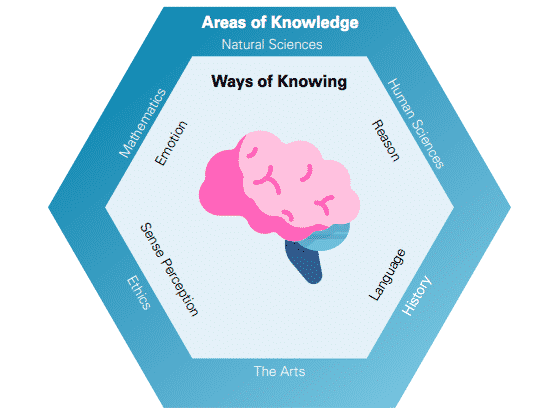
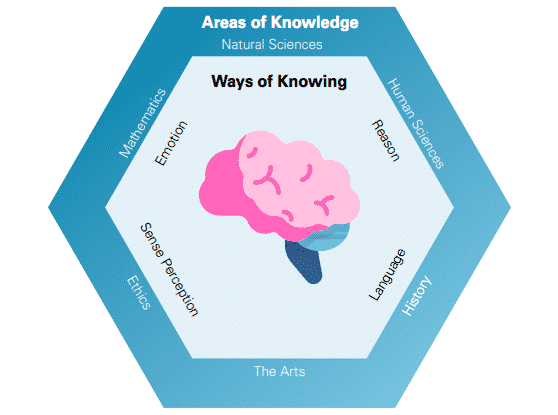
  • Roadmap: Briefly outline which two Areas of Knowledge (AOKs) you will use to explore your thesis. This signals to the examiner what to expect in the body of your essay.

The Lanterna Tip: A precise and focused introduction sets up a strong essay. Keep it around 150 words and ensure every sentence contributes to your argument.
Part 2: The Body - AOK 1 (Approx. 600 words)

This is where you build your argument. You'll dedicate a large section to each of your two chosen AOKs. The magic formula is simple: 1st Perspective, Example, Analysis, 2nd Perspective, Example, Analysis, Link.

Step 1: 1st Perspetive

Your first perspective is your main argument related to the PT, explored through the lens of this AOK.

  • Topic Sentence: Start with a clear sentence stating your perspective.
    • Example: "Within the Natural Sciences, the production of knowledge relies heavily on a methodology designed to minimize ambiguity, as the PT suggests."
  • Real-Life Example: Provide a specific, concrete example to support this perspective. Don’t just say "gravity"; refer to a detailed example like the LIGO experiment detecting gravitational waves.
  • Explanation & Analysis: Explain how this example supports your perspective. Explicitly connect it to the keywords and question of the PT. How does this RLE illuminate your argument?

Step 2: 2nd Perspective

Now, show the examiner that you can consider a different or alternative perspective. This isn’t about proving your first perspective wrong; it’s about exploring a limitation, alternative context, or contrasting viewpoint.

  • Topic Sentence: Introduce the alternative perspective.
    • Example: "However, the interpretation of data in the Natural Sciences can still be shaped by existing paradigms, introducing an element of ambiguity that challenges the first perspective."
  • New Real-Life Example (RWE): Support this perspective with a specific example, such as the initial resistance to plate tectonics or debates around climate model interpretations.
  • Explanation & Analysis: Explain how this second example supports the alternative perspective and why it matters in the context of your PT.
  • Mini-Conclusion / Link: Briefly evaluate how both perspectives contribute to a deeper understanding of the PT within this AOK. This serves as your transition before moving to the next AOK.

The Lanterna Tip: Real-Life Examples are crucial. Vague examples lead to vague marks. A strong, specific example is the difference between a 4 and a 7. Two powerful examples per AOK are ideal.

Part 3: The Body - AOK 2 (Approx. 600 words)

Repeat the same process for your second AOK (e.g., The Arts). Using a different AOK demonstrates breadth in TOK understanding.

  • 1st Perspective (within AOK 2): Include a specific RLE and analysis.

  • 2nd Perspective (within AOK 2): Include a different RLE and analysis.

  • Mini-Conclusion / Link: Synthesize the discussion for AOK 2, connecting both perspectives to the PT.

Part 4: The Conclusion (Approx. 250 words)

Your conclusion should synthesize your entire argument. Do not introduce any new perspectives or examples here.

  • Restate Your Thesis: Begin by restating your thesis from the introduction, but use new wording to reflect the insights gained from your analysis.
  • Summarize Main Points: Briefly summarize the key insights from your exploration of AOK 1 and AOK 2. Highlight how the first and second perspectives in each AOK contributed to your overall thesis.
  • Highlight Implications: Discuss the broader significance of your conclusion. Why does your answer to the Prescribed Title matter? What does it reveal about the nature of knowledge and how we understand it across different contexts?
  • Final Thought: End with a sophisticated, thought-provoking statement that leaves a lasting impression. You might suggest a remaining question, point out the complexity of the issue, or emphasize how knowledge is shaped by multiple perspectives.

Your TOK Essay Blueprint: Word Allocation

Stay disciplined with your word count to ensure a balanced essay.

Essay SectionRecommended Word Count         Primary Goal
Introduction~150 words           Define terms, state thesis, provide roadmap.
Body Section (AOK 1)~600 words           Develop different perspectives with specific RLEs and analysis.
Body Section (AOK 2)~600 words           Develop different perspectives with specific RLEs and analysis.
Conclusion~250 words   Synthesize your arguments, highlight broader implications, and provide a final, well-supported answer.
Total1600 wordsA clear, coherent, and critical exploration.
The Lanterna Tip: Staying disciplined with word count ensures each section is sufficiently developed and maintains balance across different perspectives and AOKs.


Related to IB TOK Essay Structure Guide

How to Structure Your IB TOK Essay Step-by-Step
TOKUltimate GuideStudy SkillsDP1DP2Students

How to Structure Your IB TOK Essay Step-by-Step

Learn how to structure your IB TOK Essay step-by-step with this expert guide. Understand how examiners think and increase your TOK essay grading score with clear format tips.

TOK Essay: A Complete Guide to Acing the IB TOK Paper
TOKUltimate GuideStudy SkillsDP1DP2StudentsParents

TOK Essay: A Complete Guide to Acing the IB TOK Paper

Master the IB TOK Essay with this complete expert guide. Learn how to structure your paper, understand grading criteria, and use critical thinking skills to achieve your diploma.

How to Write Your IB TOK Essay: Tips
TOKStudy SkillsUltimate GuideDP1DP2Students

How to Write Your IB TOK Essay: Tips

Write your IB TOK Essay with confidence. Learn essential tips on choosing a title, understanding IB criteria, and structuring your argument for top marks.

TOK Essay: How to write the IB TOK Essay
TOKUltimate GuideStudy SkillsDP1DP2Students

TOK Essay: How to write the IB TOK Essay

Learn how to write the IB TOK Essay using expert tips on terminology (WOKs/AOKs) and structure. Master this challenging assignment with confidence.

Mastering TOK Essay Webinar
TOKVideoDP1DP2Students

Mastering TOK Essay Webinar

Master the TOK Essay with this exclusive webinar, hosted by an expert examiner and A-scoring graduate. Learn strategies to reach top marks.

Master IB TOK Guide
TOKUltimate GuideIAsDP1DP2StudentsParents

Master IB TOK Guide

Master IB Theory of Knowledge (TOK) with our complete guide. Learn about the curriculum, areas of knowledge, and ace your TOK exhibition and essay with structure tips and examples.

IB Extended Essay (EE) Guide
EEUltimate GuideUniversityTOKDP2StudentsParents

IB Extended Essay (EE) Guide

What is the Extended Essay (EE)? Get a complete overview of this mandatory 4,000-word research paper in the IB Diploma Programme core.

Complete Guide to IB Theory of Knowledge Frameworks
TOKUltimate GuideAbout IBDP1DP2Students

Complete Guide to IB Theory of Knowledge Frameworks

Master IB Theory of Knowledge Frameworks. Learn how to apply the structure of the Areas of Knowledge (AoKs) in your essays and presentations for top results.

Perfectly Matched Tutors

600+ handpicked tutors from across the world with the best background and experience.

Graduates

Graduates

  • Scored 40+ in the IB and 7s in the subjects they teach.

Teachers

Teachers

  • Certified educators with an average of 15 years experience.
Elite

Elite

  • Teachers with IB examiner experience or senior markers
Free IB tutoring trial

Your first hour,
on us.

1 hour of online tutoring in any subject with a 40+ IB graduate who scored a 7 in your subject.

15,000+ students
96% recommend Lanterna to friends & family

No strings attached. By filling out the form you accept our T&Cs.

Stockholm born, Globally present

We are IB experts committed to achieving your academic goals.

about us