
Graduates
- Scored 40+ in the IB and 7s in the subjects they teach.

Learn how to write a successful IB essay and score higher grades. Get top tips from an expert tutor on structure, planning, and clarity for your next assessment.
I’ve seen hundreds of successful IB students in the past and read lots of successful essays – and written a few of my own! What I’m going to do here is share with you a few tips that the most successful students always seem to use when writing their essays. Students who get 7s don’t have magical powers, they just use a few simple rules to get awesome grades in the IB. Let’s look at how you can do it too!
Although your essay might have lots of good evidence and be very interesting the overall structure should be simple. A clear simple argument, which makes a good point and supports it well is always going to be better than a long complicated argument which confuses the reader. So how can you tell if you have a clear simple argument? Try to explain your point to someone in a few sentences. You might sum up your essay like this: ‘my essay argues that since the collapse of the Soviet Union the USA has continued to fear and suppress the Russian government.’ If you can’t sum your essay up like this, then it might be that you’re not really sure what your argument is and you should know what you’re talking about!
Check out this TED talk on the value of simplicity https://www.youtube.com/watch?v=eWczWFPMA7o
You should have an argument you want to make and should know what this is (see point 1). Then you need to start fleshing out your argument. What evidence supports your idea. Who agrees with you, and who disagrees. Why are those people who disagree with you wrong? Lay out your argument logically, step by step. So if you’re going to argue that German farmers would suffer if a certain economic policy was imposed on them, you might like to start by explaining the situation those farmers are in. You might then explain how the policy works. You could then explain why it would harm the farmers. You could draw some examples of how a similar policy has hurt French farmers. Finally you might deal with some critics, who would disagree with you. Start with what you want to show then prove it step by step.
Now watch this 1 minute motivational video on the power of planning https://www.youtube.com/watch?v=2jAE-a7nLXw
You should make it very clear how every point relates back to your main argument. Let’s say you are arguing that a poem is about murder and jealousy. It is not enough to say ‘the author uses lots of red and green imagery in the poem’. You must be very clear ‘the use of red and green imagery is symbolic of feelings of anger and jealousy’. The key is to imagine that your reader isn’t very smart and needs you to make everything very clear to them. If you do this you know your argument is clear – and this is very important.
Remember, your introduction should do twothings. One is to hook the reader in – you can do this with an interesting fact, or quote. The second purpose is to give them an idea about what they’re going to read. To let them know what to expect so your argument is easy to follow.
You might be wondering why this is point 4! Lots of successful students like to write the introduction after they’ve written the main body of their argument. This is because, for many students, their arguments change as they write and think about them. Only when they are finished can they write a really convincing introduction. So consider writing your introduction after your main essay is done!
Read over your essay before you hand it in, check for spelling and grammar. Get someone else to check it and help you make it better. If possible find someone who is awesome at your subject and ask them to check your work to make it even better. Then ask someone who knows nothing about your subject to read your essay. If they can understand it you know it’s really clear, which is vital.
Now hand it in! When you’re satisfied, don’t delay, just give it straight in. And finally, when your teacher gives you feedback, listen to what he or she says and if you’re confused, ask him or her to clarify.
If you follow these steps you’ll find your next essay will be getting those higher grades and will be able to score more than ever on your next assessment!

Mastering IB argumentative essays is key to top grades. Learn expert strategies for strong evidence, logical premises, and critical self-evaluation in your IB IAs and TOK Essay.

Learn how to plan IB exam essays effectively, even when time is tight. Master the simple essay plan grid and expert revision tips for concise, high-scoring responses.

Learn how to structure your IB Extended Essay Outline with expert planning techniques. Master your EE with bullet-point, post-it, and spreadsheet methods for success.

Master the IB TOK Essay with this complete expert guide. Learn how to structure your paper, understand grading criteria, and use critical thinking skills to achieve your diploma.

Write your IB TOK Essay with confidence. Learn essential tips on choosing a title, understanding IB criteria, and structuring your argument for top marks.

Learn how to write the IB TOK Essay using expert tips on terminology (WOKs/AOKs) and structure. Master this challenging assignment with confidence.

Learn how to structure your IB TOK Essay step-by-step with this expert guide. Understand how examiners think and increase your TOK essay grading score with clear format tips.
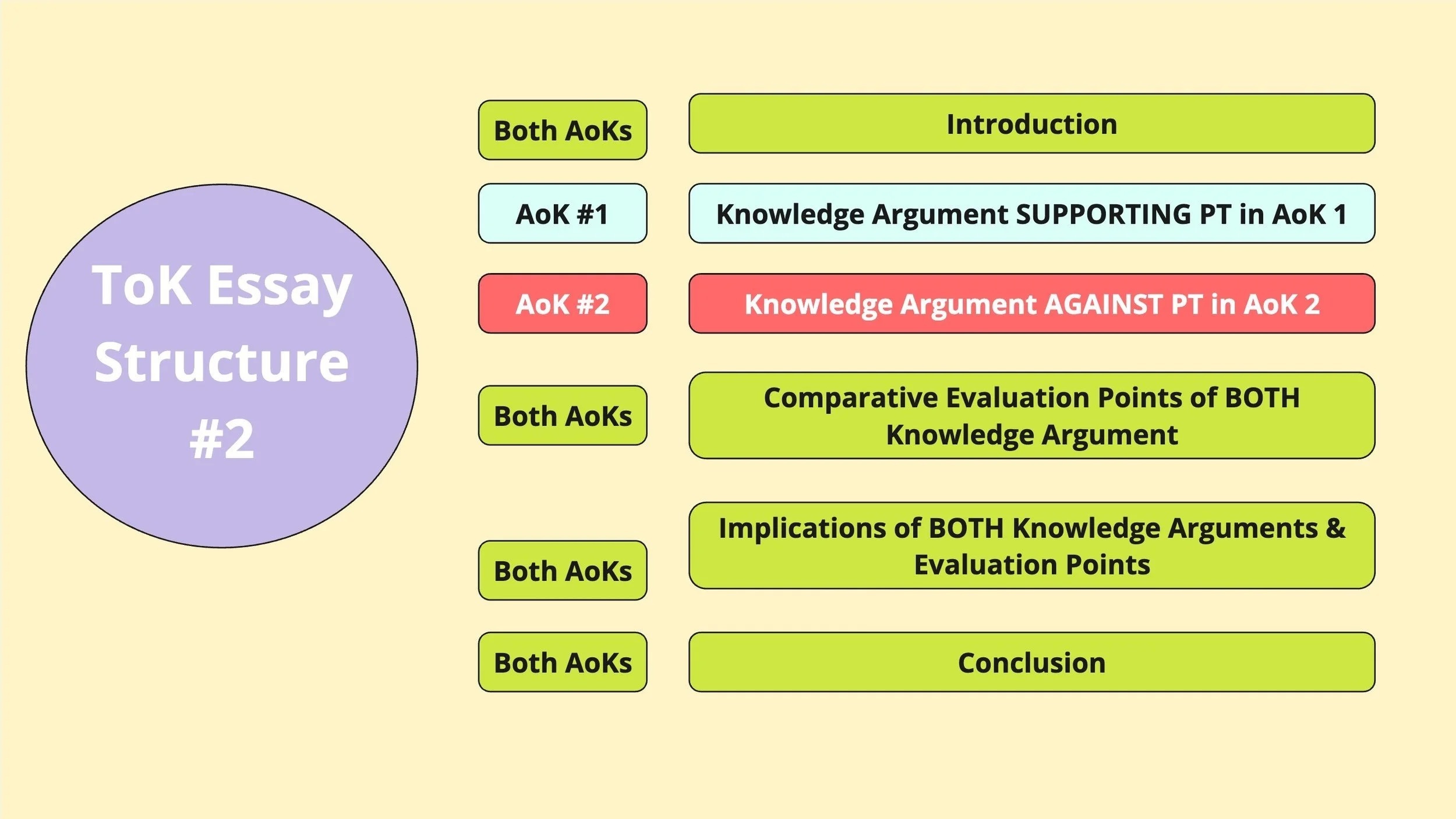
Master the IB TOK Essay structure with our complete guide. Get step-by-step outlines for your introduction, AOK paragraphs (claims/counterclaims), and conclusion to hit top markbands.
600+ handpicked tutors from across the world with the best background and experience.


Geography shouldn't limit your potential. Lanterna provides premium online IB tutoring across the world, being partners with 250+ IB schools worldwide. Our country guides explore how the IB landscape shapes up and how our tutoring supports it perfectly.

1 hour of online tutoring in any subject with a 40+ IB graduate who scored a 7 in your subject.
No strings attached. By filling out the form you accept our T&Cs.
We are IB experts committed to achieving your academic goals.