
Graduates
- Scored 40+ in the IB and 7s in the subjects they teach.

Learn how to get the right IB exam mindset with expert revision tips covering effective study techniques, sleep, nutrition, and essential resources to boost your confidence.

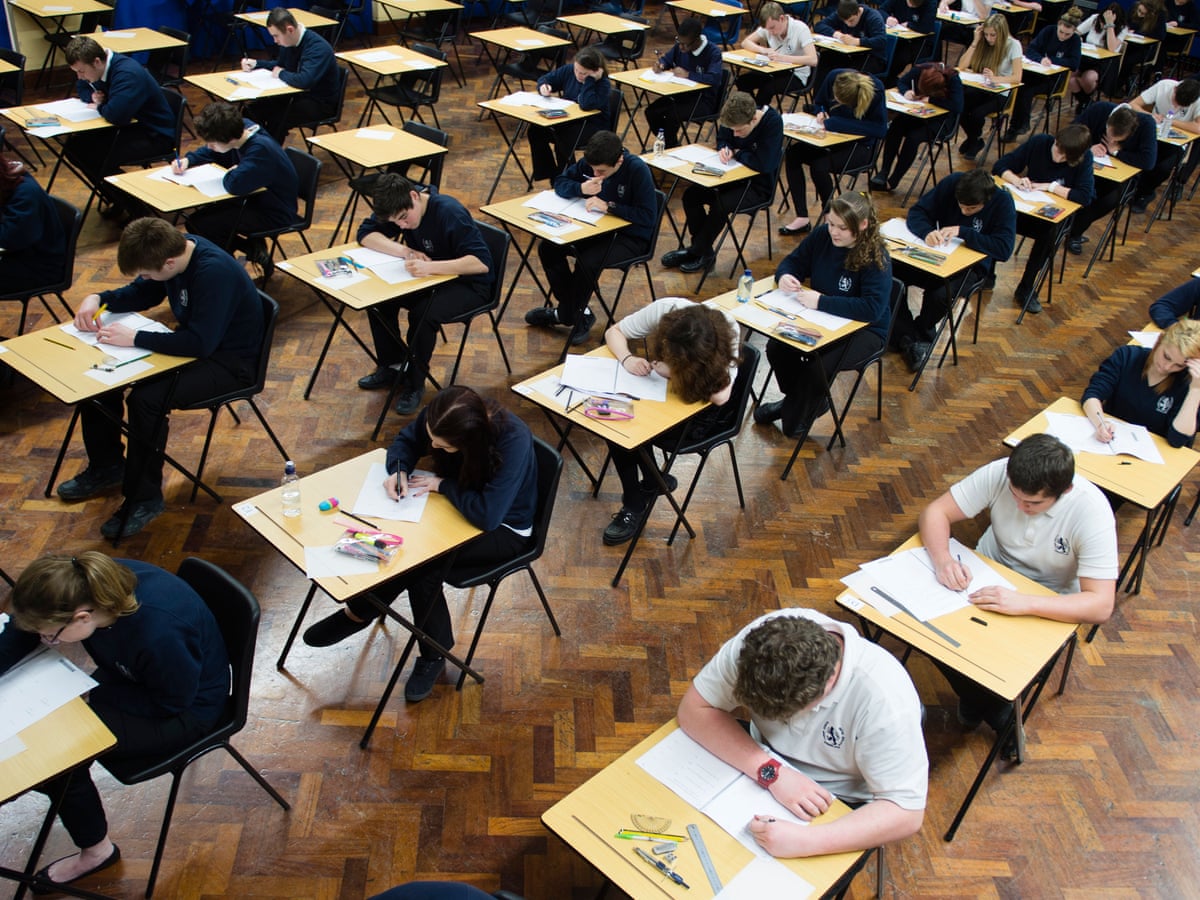
Exams are now terrifyingly close, and to perform well, you need to be in the right exam mindset. Improving your outlook, however, is often more complicated than you would think.
Before we discuss how you can get the right mindset, let us consider what a poor one might look like.
Do the exams trigger your freeze response? That probably means that you obsess over things outside of your control.
It is no secret that the IB exams are extremely tough. As a result, many students put excessive pressure on themselves to do well or worry about passing.
The trouble is that too much pressure hinders high performance. This seems like a paradox! You want to do well, so you pressure yourself, decreasing your chances of success.
Part of having the right exam mindset is having confidence in your study techniques. The first three tips will evaluate different study techniques, so you can confidently apply the best ones!
The first technique we will look at is cramming.
Teachers and tutors, myself included, often warn against cramming, even though studies have shown that it works.
We still caution against this way of studying because information only stays for a few days. The title of this article from the Washington Post explains it well:
“Cramming may help for next-day exams. But for long-term memory, spacing out study is what works.”
If you, despite this knowledge, still have to cram, here is how to do it right:
The way memory works limits the amount of information you can cram. Hence, the key to getting the most out of it is to be strategic about what you memorise using this technique.
Some things are okay to cram. Formulae outside your data booklet and quotes are good to revise using this method.
Smaller pieces of information are easy to memorise with mnemonic devices, which we have explained in this post. See the image below for an example from HL Chemistry.

Re-reading is the most popular revision method out there. It feels like you are getting a bunch done, but that could not be further from the truth!
Many students think they must re-read their textbook to guarantee they have covered everything in the syllabus. The only thing that re-reading guarantees, however, is burnout. If you struggle with burnout, this post has some advice on how to cope with that.
Callendar et al. ran a series of experiments on re-reading, concluding that re-reading led to no significant improvement in test scores. So, what should you do instead?
Active recall has been the buzzword in learning techniques, and with good reason! Studies have repeatedly demonstrated that active recall is one of the most effective study techniques.
The key to utilising active recall is recalling memory to answer questions. When you actively retrieve information from your long-term memory, it becomes easier to remember the next time you need it.
For you as an IB student, that means past papers and flashcards. A fun way of practising active recall is by making puzzles for yourself, which works exceptionally well for sciences.
A lack of active recall is why re-reading and watching YouTube videos works so poorly! You do not actively recall any information; you just hope to absorb it through some kind of non-existent brain osmosis.
A typical symptom of having the wrong exam mindset is thinking you must pull an all-nighter to do more revision. However, sleeping is an essential part of revision itself.
While awake, you actively form new brain connections (by using active recall). While sleeping, you do another important thing called memory consolidation.
Memory consolidation works by reactivating those new neural connections you formed during the day. This consolidation process strengthens them and improves your memory of what you just learnt.
That means that if you have learnt something new during revision, you should sleep on it to make it stick! However, the role of sleep on memory does not end there!
You can also learn entirely new things while you sleep. I am not talking about hypnopedia, where people listen to their notes while asleep. They based this study technique (almost) entirely on fiction.
In reality, the brain learns new things while sleeping by making new synaptic connections between things you already know. NCBI explains it like so:
“(Sleep) seems to play a role in linking related memories, sometimes in unexpected ways. That is why a full night of sleep may help with problem-solving.”
So, if you have a problem you cannot solve, the age-old saying “sleep on it” is true! If you sleep on a maths problem you could not solve, you might be able to solve it the next day just by sleeping.
The takeaway? Sleeping is integral to your revision; you must not skip it for the world!
Anyone that has been hangry can tell you that food affects mindset. From personal experience, I lose all my focus when I am hungry – not ideal for studying! The question then becomes, can you just eat anything to stay energised?
Your brain represents about 2% of your body weight, yet it uses 20% of the food you ingest. Therefore, you must be careful with the fuel you put into it.
Studies have linked foods that you would generally consider unhealthy (e.g., burgers and fries) with poorer cognitive function.
Foods we generally recognise as healthier (chickpea salads and co.), on the other hand, lead to better memory. Adieu, takeout and frozen pizzas, hello veggies!
Eating healthier food means that you need to cook it yourself. You can choose to see this as an excellent opportunity for CAS! Learning a new skill, such as cooking, is perfect CAS!
For more CAS ideas, check out this post.
A colossal stressor can be not knowing what resources you should use for revision. Nothing is worse than knowing you should be doing maths but not knowing where to start.
First, you should make sure you know how to use your calculator. Read this post on preparing for the maths exams. But what about the other subjects?
Sometimes, all you need is a little motivation. If your exam mindset has taken a hit and you are wondering what the point of it all is, remember what you will get out of it in the end!
The IB Diploma is one of the most renowned and respected programmes. Because of that, university admission will be a breeze for you compared to most other people.
A great source of motivation can be hearing from the people that have already come out the other side. In this post, you can read anecdotes from past IB students.
Remember that countless others have already made it. You can do it too! You just need to power through this last little while! It is the home stretch now.
You can also check out what 45-point student Asha had to say and the advice she would give current IB students.
On behalf of everyone at Lanterna, I want to congratulate you all on getting to the exams! Remember to be proud of everything you have done and all the hours of work that you have completed.
You must be kind to yourself to have a good exam mindset. Take a moment to clap yourself on the shoulder and be proud of your hard work! We are proud of every single DP2 student who has made it this far.
.png)
Beat IB stress and burnout with expert techniques. This guide covers time management, effective revision, and mindfulness habits to help you stay calm, focused, and ace your exams.
Ace your IB Mock Exams with this free, ultimate guide. Learn expert strategies to prepare effectively, avoid common pitfalls, and maximize your predicted grades.
Master DP2 with this essential IB checklist! Covers IA status, week-by-week mock exam prep, past paper scheduling, and key TOK/EE milestones for students and parents.

IB Stress & Burnout Survival Guide: Essential habits and support for parents. Learn to recognize stress indicators (sleep changes, withdrawal) and find healthy coping strategies.

Master the final days before your IB exams! Get essential last-minute exam tips: what to do and what to avoid (sleep, not cramming new content). from IB 40+ grads.

Cope with IB exam stress using expert tips for preparation, handling panic during the test, and post-exam reflection. Get practical advice and revision tips.

Learn how to prepare for IB exams with proven strategies and revision tips from an IB graduate. Master planning, self-care, and effective study methods.

Prioritize self-care and mental health during IB exams. Learn simple revision tips from an expert tutor to stay positive, motivated, and productive while studying.
600+ handpicked tutors from across the world with the best background and experience.

Geography shouldn't limit your potential. Lanterna provides premium online IB tutoring across the world, being partners with 250+ IB schools worldwide. Our country guides explore how the IB landscape shapes up and how our tutoring supports it perfectly.

1 hour of online tutoring in any subject with a 40+ IB graduate who scored a 7 in your subject.
No strings attached. By filling out the form you accept our T&Cs.
We are IB experts committed to achieving your academic goals.