
Graduates
- Scored 40+ in the IB and 7s in the subjects they teach.

Master your IB revision: Learn key skills and strategies, from setting goals and creating effective timetables to specialized revision tips for content and concept-heavy subjects.

Written by Lewis Mclellan
The IB is renowned for not allowing breaks, and for many, it will inevitably squeeze its way into the holiday season. Indeed, many DP2 students around the world will be taking this holiday as their opportunity to kick off their revision for IB exams in April/May. Whether this is you or you are set to start revising in the next couple of months, this guide has you covered, detailing the key skills and strategies required for success in your IB revision.
First, you must start with the question of how to organise your IB revision. For this, I strongly recommend setting solid goals before you do anything else. By this, I mean: decide what your goals are for the IB exams in terms of grades; make sure these are specific and realistic but also challenging. Furthermore, set clear boundaries. Taken together, this will help you to create a revision strategy that has clear reasons behind it and that you are happy with.
A revision strategy mostly encompasses having a revision timetable, but a strategy also plans not just for when you will study certain subjects but how you will study them. In other words, a revision strategy is the product of you taking time to think about how, specifically, to achieve your goals in each of your subjects.
Aspects to consider when devising such a strategy include resources and priorities. Before launching into revision, you should make sure you have all the resources you need to successfully approach the subject. This means making sure you have notes on all content and a bank of past papers/practice questions at the very minimum.
Working out your priorities is also essential. This means deciding perhaps that you will dedicate more time/effort to an HL subject over an SL subject, or to a subject that you are weaker in. It could also just mean spending more time revising specific content/elements within a subject.
Of course, the best way to codify a revision strategy is through a revision timetable. A timetable allows you to plan meticulously for when and how you are going to revise your subjects that week. In that way, revision timetables can be really helpful for good revision as they allow you to organise your revision and be comprehensive in it.
A Note of Caution: Do not create a timetable that stretches you too much, as this can lead to burnout. Secondly, do not be too rigid with your revision timetable. Feel free to add more of something or do less of another subject if that is what you feel is right at the time. This flexibility, adapting your timetable to improve your studying, should be welcomed even if it contradicts what you had originally planned.
To begin with, and this is a fairly obvious one, start early. The earlier you can start your revision, the better. This may sound totally intuitive, but I suggest it not because it means that you can revise more, but because it allows you to carry out your revision at a more relaxed pace. Ultimately, this allows you to take breaks in your revision and not rush any important parts of it.
Sticking with the fairly obvious pieces of advice, I would also offer that it is important to reward yourself for good revision. Sticking to a revision timetable and putting in solid revision hours amidst all else going on is tough going. Any way in which you achieve this should be celebrated, and hopefully doing so provides extra motivation.
I would also suggest that you find your ideal study space and plan ahead so that this is where you do your revision. In my experience, a surprising amount of students end up squeezing their revision into awkward blocks of time and thus into places where they are not at their most comfortable.
As for techniques to revise subjects, I mostly split these up into two categories:
For these, the techniques that I recommend include flashcards, content revision with friends, and creating plans for practice questions. In general, these techniques come down to keeping revision for the subjects reasonably light and not as taxing as they often can be.
For this category, the best techniques are slightly different as they revolve more around practice implementing the concepts. As such, past papers seem always to be really quite valuable with these.
My last piece of advice for IB revision relates to the time of actually taking the exams. The business end if you will! For this often-stressful time of the year, I always advise students to take a step back from revision and instead focus on recharging. This means prioritising sleep, exercise, social life, etc., over studying. This is because once you reach a certain proximity to the exams, being refreshed when you walk into the exam hall becomes the most important determinant of your success.
Hopefully, some of the above tips are helpful for some of you starting to think about your revision for upcoming IB exams.
Best of luck!

Ace your IB Mock Exams with this free, ultimate guide. Learn expert strategies to prepare effectively, avoid common pitfalls, and maximize your predicted grades.
.png)
Beat IB stress and burnout with expert techniques. This guide covers time management, effective revision, and mindfulness habits to help you stay calm, focused, and ace your exams.

Master the final days before your IB exams! Get essential last-minute exam tips: what to do and what to avoid (sleep, not cramming new content). from IB 40+ grads.

Learn how to prepare for IB exams with proven strategies and revision tips from an IB graduate. Master planning, self-care, and effective study methods.

Boost your IB score using the marginal gains concept. Learn expert revision tips and practical strategies to improve every component of your IB Diploma.

Learn how to plan your IB revision schedule effectively and avoid study burnout with expert revision tips, including ideal daily study hours and flexible timetables.
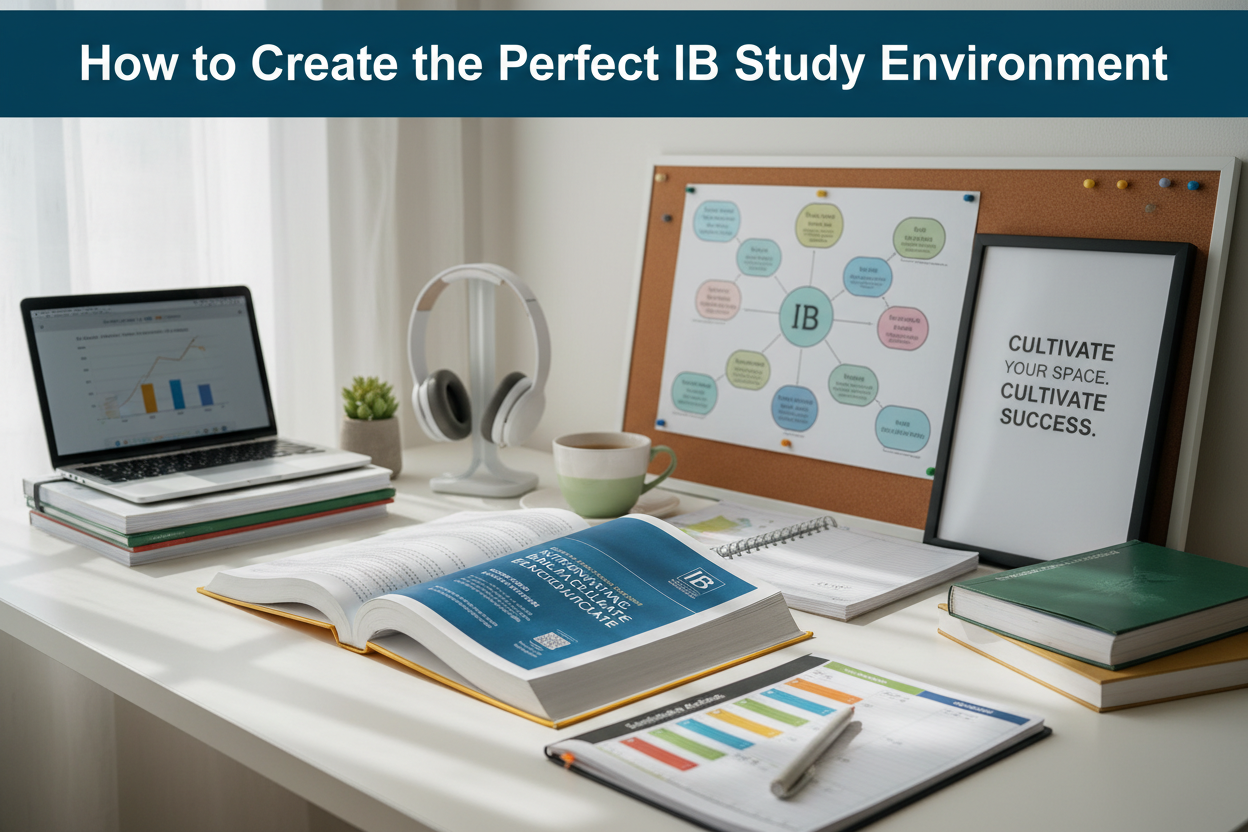
Learn how to create the perfect IB study environment, boost concentration, and avoid distractions like background noise and phones. Essential revision tips for IB students.

Master the IB exams: Learn how to use IB past papers and mark schemes effectively throughout your revision. Understand how examiners think and analyze your mistakes with the MARCKS method.
600+ handpicked tutors from across the world with the best background and experience.


Geography shouldn't limit your potential. Lanterna provides premium online IB tutoring across the world, being partners with 250+ IB schools worldwide. Our country guides explore how the IB landscape shapes up and how our tutoring supports it perfectly.

1 hour of online tutoring in any subject with a 40+ IB graduate who scored a 7 in your subject.
No strings attached. By filling out the form you accept our T&Cs.
We are IB experts committed to achieving your academic goals.