
Graduates
- Scored 40+ in the IB and 7s in the subjects they teach.

Learn how to study for IB mocks efficiently with expert revision tips. Prioritize active recall, plan your study schedule, and learn from mistakes for better grades.

Congratulations, you’ve made it to mock season! Mocks are supposed to be a learning experience. They’re here to give you a feel of what an exam schedule is like so that the real ones are less intimidating. If you’re feeling a bit lost with revising for mocks that’s okay! Here we’ll take you through our top tips for how to study for mocks.
You don’t need to have every day between now and your mocks planned out. However, it is very helpful to have a plan for the topics that you’re going to cover and the order you’re going to do them in.
To get started with making a plan, check which topics are going to be covered on the mocks. Your teachers will have this information. Next, go through the syllabus for each subject. Make notes of which topics you are least confident about. You’ll want to prioritise these topics by looking at them first, or spending more time on them.
Setting a schedule for which topics you want to cover on each day will help ensure you get through all of them in time. This doesn’t need to be complicated. You can simply add them as events in a digital calendar like Google Calendar. You can also jot them down in a regular monthly calendar. If that still feels too complicated, you can get a blank piece of paper and use that!
Keep your schedule in a visible place. If you have a physical one, putting it above your desk would work well. If it’s digital, try setting alerts for each day’s topics. The key thing is that you don’t want to forget what you set out to do!
Keeping track of what you’ve revised and which past papers you’ve done is key to being efficient in your revision. You don’t want to be doing the same work twice! There are a bunch of ways to keep track of this. You could write out a list and cross them off.
You could also list the topics in an Excel or Google spreadsheet. This works well if you want to keep track of how confident you are with the topic. See below for an example of this.
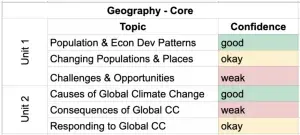
This method is also great for keeping track of past papers. Remember that there are two exam periods per year (May and November). There are also multiple versions of each paper made in each exam period as the IBO has to account for the different time zones. You can make a similar tracker by creating a table with the exam session as columns (ex. May 2019) and the papers/subjects as rows.
When studying, you want to be as efficient as possible. It means that you perform better on exams and that you spend less time revising – a win-win in my eyes. Using revision methods that capitalise on active recall is a great way to increase your efficiency. For more information on why active recall is so important, check out this article.
Active recall is a key component of answering past paper questions and explaining concepts to others. If you’re using flashcards, you can incorporate active recall by using Anki or Quizlet so that you can type out your answers. If you prefer physical flashcards, try saying your answers out loud. The key is to make sure that regardless of the study method you’re using, you are making your brain bring up the information you are trying to learn.
The primary purpose of mock exams is to give you a taste of what the real exams are going to be like. They serve as a ‘trial run’. It’s crucial to remember that this means they are a learning experience. It’s a chance to feel what it’s like to sit in the exam hall, to do a morning and afternoon exam, and to see what topics you will need to work on.
You are going to make mistakes in your mocks. Whether you can’t remember what a topic was, fill out the cover sheet incorrectly, or don’t get a big enough lunch, it’s okay! The important thing is to be able to reflect on and learn from your mistakes. There is plenty of time to revise before the real exams and you can make a big difference to your grades!
If you’re struggling to understand a certain topic or subject, check out our YouTube channel for loads of explanations and tips from our top tutors. If you feel like more individualised help is needed, check out our private tuition services here.
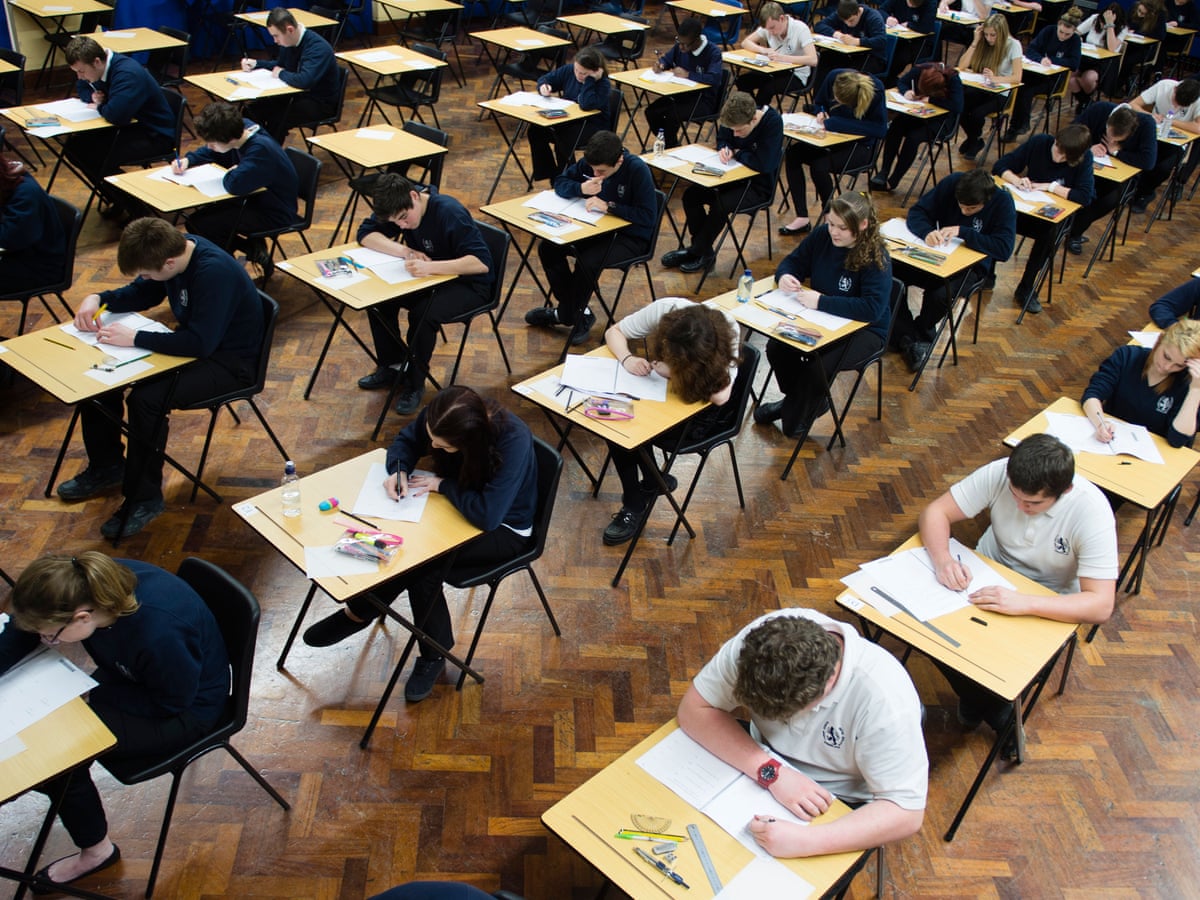
Ace your IB Mock Exams with this free, ultimate guide. Learn expert strategies to prepare effectively, avoid common pitfalls, and maximize your predicted grades.

Master DP2 with this essential IB checklist! Covers IA status, week-by-week mock exam prep, past paper scheduling, and key TOK/EE milestones for students and parents.
Master the final days before your IB exams! Get essential last-minute exam tips: what to do and what to avoid (sleep, not cramming new content). from IB 40+ grads.

Learn how to prepare for IB exams with proven strategies and revision tips from an IB graduate. Master planning, self-care, and effective study methods.

Master your IB revision: Learn key skills and strategies, from setting goals and creating effective timetables to specialized revision tips for content and concept-heavy subjects.
Understand how to prepare for IB Mock Exams with expert revision tips and insights into their utility for establishing routine, not just predicting your final IB grade.

Need last-minute IB Mock Exam Tips? Learn expert strategies: prioritize sleep, avoid rambling, change your answer if unsure, and don't get stuck during revision.

Learn how to get in the right mindset for IB mock exams with expert revision tips. Pace your studies, plan effectively, and prioritize self-care for success.
600+ handpicked tutors from across the world with the best background and experience.

Geography shouldn't limit your potential. Lanterna provides premium online IB tutoring across the world, being partners with 250+ IB schools worldwide. Our country guides explore how the IB landscape shapes up and how our tutoring supports it perfectly.

1 hour of online tutoring in any subject with a 40+ IB graduate who scored a 7 in your subject.
No strings attached. By filling out the form you accept our T&Cs.
We are IB experts committed to achieving your academic goals.