
Graduates
- Scored 40+ in the IB and 7s in the subjects they teach.

Struggling with a difficult IB subject? Learn how to study when you hate the subject! Get psychological tips like 'gamifying' revision and using the Pomodoro technique in this free guide from IB 7 grads.
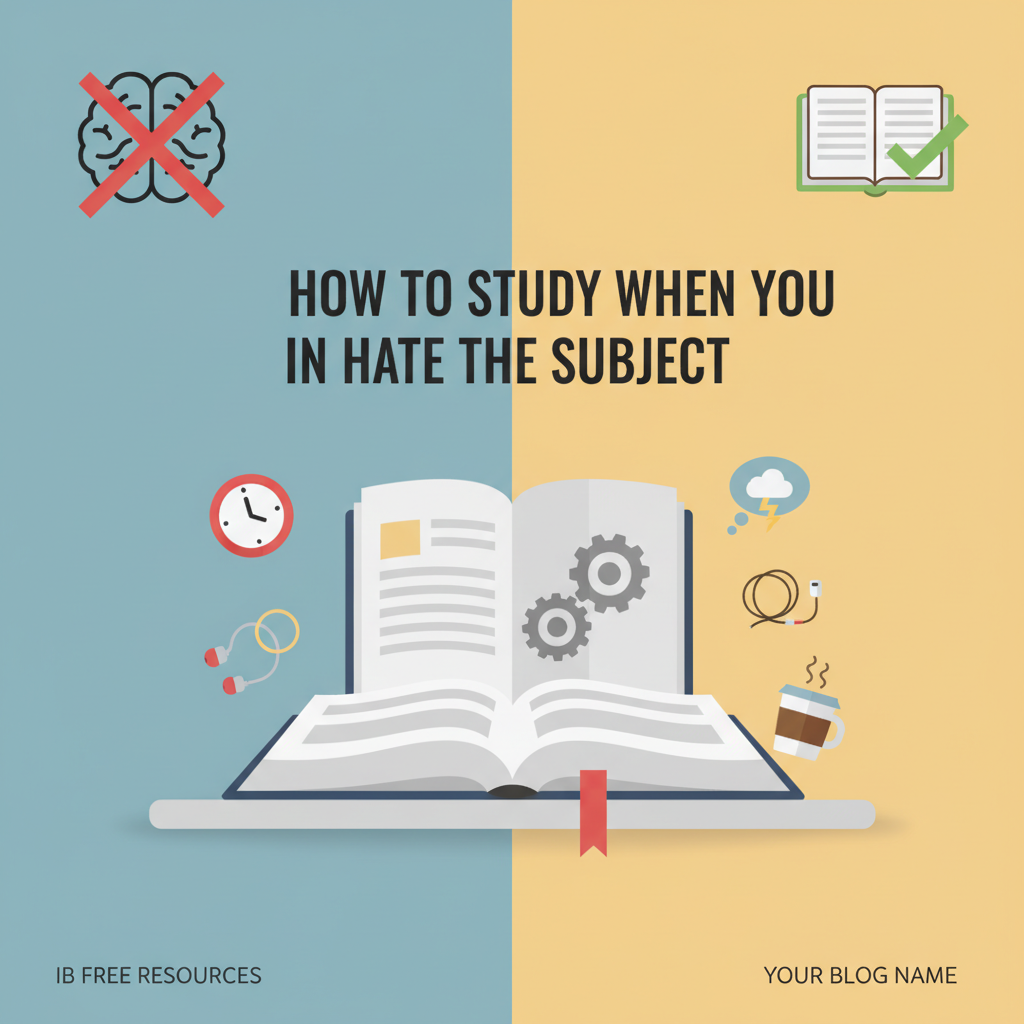
As an IB student, you're on a journey filled with intellectual discovery, but let’s be honest, it also includes a few subjects that just don't spark joy. If you find yourself staring at a textbook for a subject you dread, feeling your motivation evaporate, you are not alone.
At Lanterna, we know that every IB student has the potential to excel, even in their least favourite subjects. The key isn't to suddenly fall in love with calculus or historical documents; it's about mastering strategic approaches that turn obligation into achievement. This guide will equip you with the psychological hacks and study techniques to navigate your most challenging subjects with confidence and come out on top.
This guide is designed to empower you by providing actionable strategies for tackling subjects that feel like an uphill battle. By applying these expert-backed techniques, you will be able to:
The first, and often most crucial, step is to address the mental block. Telling yourself you hate a subject can actually cause your brain to shut down when you try to study it, making it much harder to learn.
Once you've adjusted your mindset, it's time to implement practical study techniques that make the process more engaging and less daunting.
Turn your study sessions into a challenge. Set mini-goals (e.g., "complete 10 practice questions," "summarise one chapter"), track your progress, and reward yourself for achieving these milestones. Using game-like elements to promote learning can significantly boost your engagement and reinforce essential IB ATL skills like self-management.
This time management method is a game-changer for focus and preventing burnout, especially for subjects you dread. The cycle is simple:
This technique makes large tasks feel manageable and improves memory retention through structured breaks. Remember to break down your study goals into micro-tasks before starting a session!
Large, intimidating topics are paralysing. Break down your workload into smaller, manageable chunks. Instead of "study all of Chemistry Topic 10," your goal becomes "master section 10.1" or "complete three practice problems on electrophilic addition". This makes starting less intimidating and allows you to celebrate small victories along the way.
Simply re-reading notes is one of the least effective study methods. You need to actively engage with the material. Try these techniques:
Identify your weak areas and the most crucial topics for exams (the ones worth the most marks!). Allocate more time to these challenging sections, ideally tackling them when your energy and focus are highest. Create a realistic study schedule that gives extra attention where it's needed most.
You don't have to face a disliked subject alone. You're surrounded by resources—use them strategically.
Your teachers are your first port of call. Don't just say "I don't get it"; go to them with specific questions. If you need more personalised help, an expert tutor can offer different perspectives and teaching styles to make the subject finally click.
Collaborating with peers can be incredibly motivating. You can divide topics, quiz each other, and benefit from different perspectives on challenging concepts. Just make sure your study sessions are focused and don't just turn into social hours!
These are your secret weapons. Past papers and their mark schemes show you exactly how questions are phrased and what examiners expect in an answer. Practising under timed conditions builds confidence and acts as a roadmap for your revision, guiding your efforts even when your interest is low.
Successfully navigating an IB subject you dislike isn't about a magical transformation; it's about strategic action and resilience. By reframing your mindset, employing proven study techniques, and leveraging your support network, you can turn a subject you dread into one you can master.
Remember, the IB Diploma is a test of perseverance and adaptability—skills that will serve you long after you've submitted your final paper. At Lanterna Education, we're here to provide the expert guidance and support you need to turn every academic challenge into an opportunity for success.
.png)
Beat IB stress and burnout with expert techniques. This guide covers time management, effective revision, and mindfulness habits to help you stay calm, focused, and ace your exams.
.png)
Is the IB Diploma hard? Get the honest truth and data on why it's stressful (time management) and learn proven strategies to manage the pressure and succeed.

IB Stress & Burnout Survival Guide: Essential habits and support for parents. Learn to recognize stress indicators (sleep changes, withdrawal) and find healthy coping strategies.
Master the final days before your IB exams! Get essential last-minute exam tips: what to do and what to avoid (sleep, not cramming new content). from IB 40+ grads.

Struggling with IB Motivation? Learn how to find the drive to study, overcome perfectionism and fear of judgement, and master your revision tips with expert guidance.

How hard is the IB Diploma? Learn the facts, not the myths, about the IB pass rate and average score. Get expert, reassuring insights from Lanterna tutors.

Learn how to manage IB stress and thrive in DP2 with expert tips from IB graduates. Get proactive advice on IA planning and exam revision for success.

Learn how to select the easiest IB subject combination for a higher score, according to 2019 statistics. Discover which courses offer the best chance for grading success.
600+ handpicked tutors from across the world with the best background and experience.


Geography shouldn't limit your potential. Lanterna provides premium online IB tutoring across the world, being partners with 250+ IB schools worldwide. Our country guides explore how the IB landscape shapes up and how our tutoring supports it perfectly.

1 hour of online tutoring in any subject with a 40+ IB graduate who scored a 7 in your subject.
No strings attached. By filling out the form you accept our T&Cs.
We are IB experts committed to achieving your academic goals.