
Graduates
- Scored 40+ in the IB and 7s in the subjects they teach.

Master your IB personal statement and motivation letter. Learn to structure compelling applications and use your EE, CAS, and TOK experience to impress university admissions.
After months of exams, Extended Essay drafts, and CAS commitments, writing a motivation letter can feel like one final hurdle you don’t have the energy for. But unlike most parts of your application, this is the one place where you speak directly to the admissions team — in your own words.
Here, you stop being a list of grades and subjects and start becoming a real, individual candidate.
So what do admissions tutors actually look for? Not clichés or exaggerated passion, but clarity, reflection, and evidence that you understand both yourself and the course you’re applying to. This guide breaks down how to turn your IB experience into a compelling motivation letter.
Admissions tutors read hundreds, sometimes thousands, of these letters. The ones that stand out are tailored. Generic statements are the fastest way to the "no" pile.
Clarity is key. An admissions tutor who has to struggle to understand your letter is not going to be impressed. Keep it concise (around one A4 page) and follow this simple, effective structure.
Start with a bang. Don't say "I am writing to apply for..." They know that. Begin with a short, engaging anecdote or a specific moment that sparked your interest in the subject. State clearly what program you're applying to.
This forms the core of your letter. Dedicate one paragraph to your academic background and relevant experiences. A second paragraph should then connect your interests to the course you’re applying for, clearly linking where your current experiences meet your future aspirations. Use your IB background here!
Briefly summarize why you are a great fit, reiterate your enthusiasm for the program, and touch upon your future ambitions. Leave them with a confident and memorable lasting impression.
Your IB Diploma has already given you the perfect material for your motivation letter. You just need to know how to talk about it. Don't just list what you did; reflect on what you learned and the skills you gained along the way.
| IB Component | What it Demonstrates & How to Phrase It |
|---|---|
| Extended Essay (EE) | Skills: Independent research, critical analysis, academic writing, subject expertise. How to phrase it: "My Extended Essay on the economic impact of post-war migration allowed me to develop rigorous research skills, which I am eager to apply within the advanced quantitative methods module in your program." |
| CAS Project | Skills: Leadership, teamwork, project management, community engagement, resilience. How to phrase it: "Organizing a coding workshop for younger students as part of my CAS project taught me not only how to manage a team but also how to communicate complex ideas clearly—a skill essential for a career in software engineering." |
| Theory of Knowledge (TOK) | Skills: Critical thinking, interdisciplinary perspective, questioning assumptions. How to phrase it: "My study of TOK challenged me to evaluate knowledge claims across different disciplines, sparking my interest in the intersection of ethics and artificial intelligence, a topic I was thrilled to see explored in your 'Minds and Machines' course." |
| HL Subjects | Skills: In-depth subject knowledge, analytical abilities, handling a rigorous workload. How to phrase it: "Studying History at Higher Level, particularly the focus on primary source analysis, has prepared me for the evidence-based approach central to a law degree." |
Let's see these principles in action. Here’s how to transform generic statements into compelling arguments.
BEFORE (Vague & Boring)
"I am writing to apply for the BSc in Psychology. I have always found the human mind interesting and I believe your university would be a great place to study it."
AFTER (Specific & Engaging)
"Watching a documentary on the cognitive biases that affect jury decisions was the moment I knew I had to study psychology. The desire to understand the hidden mechanics of human behaviour led me directly to your BSc program, particularly your module on Forensic Psychology."
BEFORE (Listing skills)
"My experiences have given me strong leadership and teamwork skills. I am also very dedicated and resilient."
AFTER (Demonstrating skills)
"Leading my CAS project (a three-month initiative to create a community garden) required coordinating a team of ten students and navigating early funding challenges. Through this process, I developed the resilience needed to sustain long-term projects and learned how effective teamwork turns obstacles into progress."
You've done the hard work. Don't fall at the final hurdle. Before you hit 'submit', run through this checklist.
Master your university application with "Before vs. After" motivation letter examples. Learn what admissions officers want to see and how to showcase your IB experience.

Learn how to write a killer motivation letter for European university applications. Expert IB tutor tips on structure, planning, and key principles for success.

IB parents: Navigate college applications with this guide. Get expert tips on deadlines and proofreading while supporting your IB student's ownership of the process.
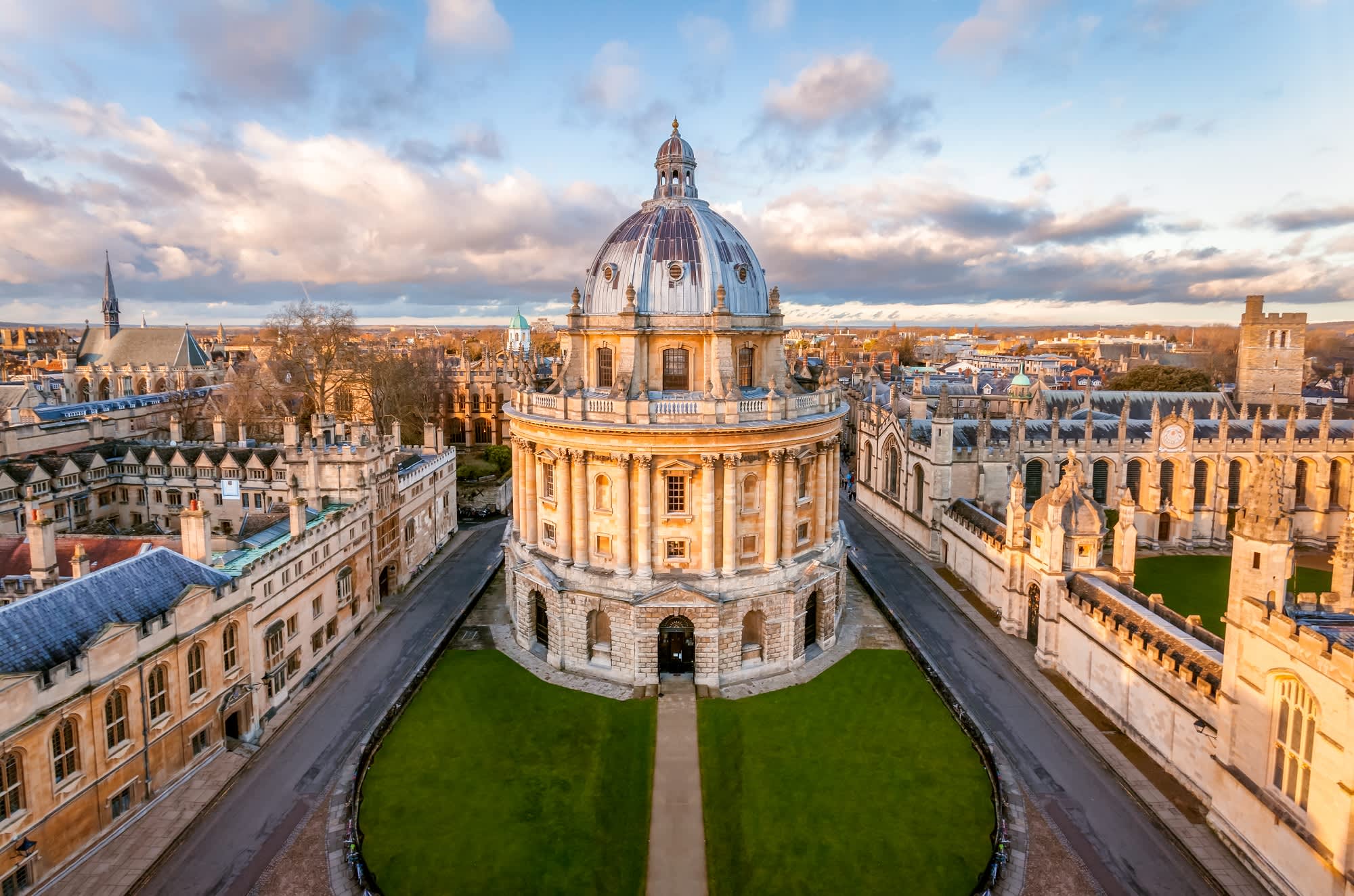
Get your free IB University Application Checklist: a timeline of key tasks (research, personal statements, recommendations) aligned with your IB schedule.
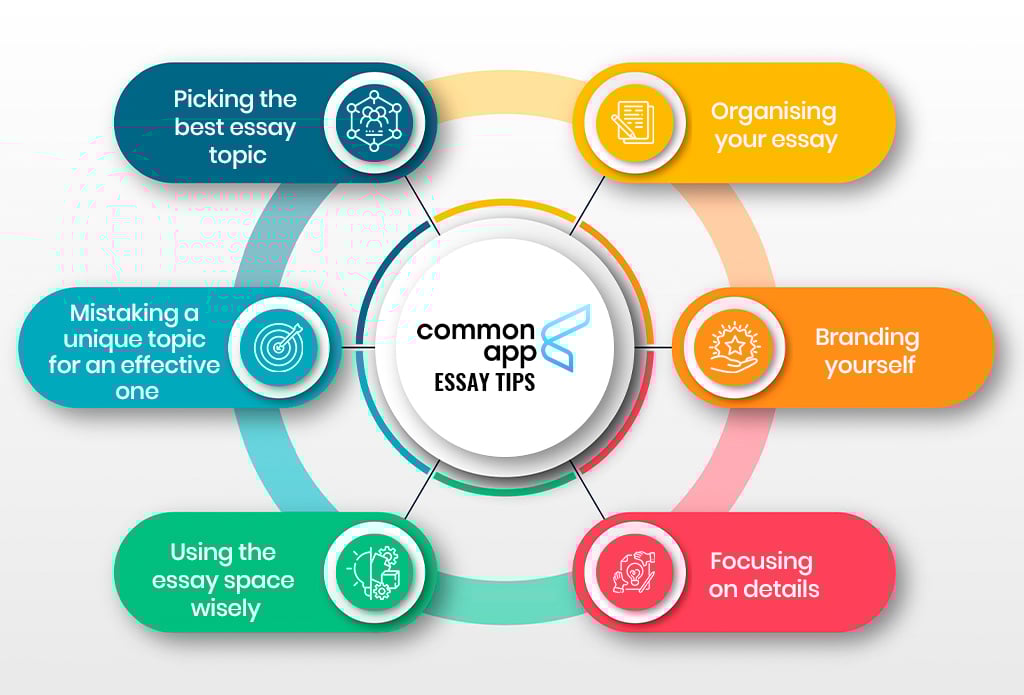
Master the Common App Essay as an IB student. Learn how to leverage your CAS, EE, and international mindset in your Personal Statement for US universities without sounding arrogant.
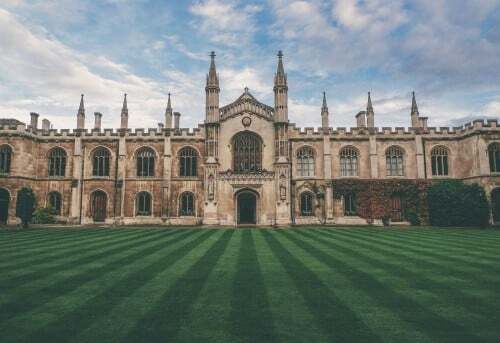
Oxbridge vs. Ivy League for IB students: Compare application styles—Oxford/Cambridge's academic focus vs. US Ivies' holistic approach (CAS, leadership).
Find a comprehensive list of top US universities with strong IB recognition policies, compiled by 7/7 IB graduates.
Navigating university applications as an IB student? Learn the basics: where the IB is recognized, if you need other qualifications, and how subject choices affect admission.
600+ handpicked tutors from across the world with the best background and experience.


Geography shouldn't limit your potential. Lanterna provides premium online IB tutoring across the world, being partners with 250+ IB schools worldwide. Our country guides explore how the IB landscape shapes up and how our tutoring supports it perfectly.

1 hour of online tutoring in any subject with a 40+ IB graduate who scored a 7 in your subject.
No strings attached. By filling out the form you accept our T&Cs.
We are IB experts committed to achieving your academic goals.