
Graduates
- Scored 40+ in the IB and 7s in the subjects they teach.

Master the Common App Essay as an IB student. Learn how to leverage your CAS, EE, and international mindset in your Personal Statement for US universities without sounding arrogant.
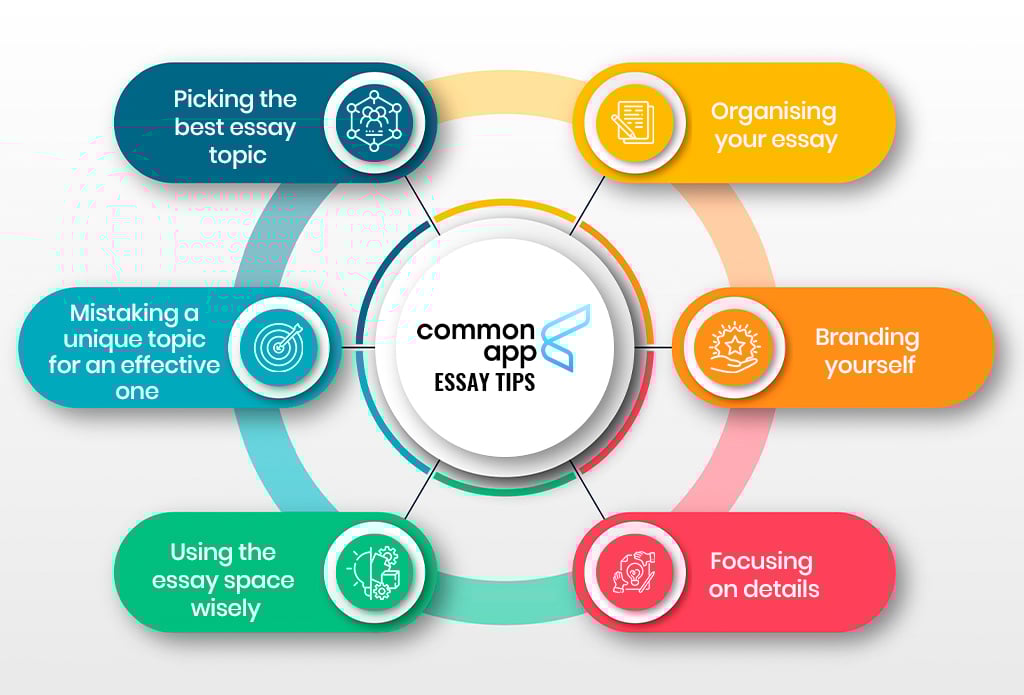
The Common App essay isn’t just another application requirement — it’s your opportunity to show U.S. universities who you are beyond predicted grades and transcripts. For IB students, this matters more than you might realise.
Your IB experience gives you a set of perspectives and experiences that many applicants simply don’t have: extended independent research, sustained extracurricular commitment, and a genuinely international outlook. The key is not to present these as items on a checklist, but to recognise them as the source of your strongest personal stories.
This guide shows you how to turn your IB journey into a compelling Common App essay — one that feels personal, reflective, and memorable for the right reasons.
Before we dive into the IB-specific stuff, let's get the fundamentals right. An admissions officer reads hundreds, if not thousands, of essays. Yours needs to be a breath of fresh air. Here’s what they're looking for:
This is your advantage. While other students are writing about winning the big game, you have a wealth of unique experiences that demonstrate maturity, intellectual curiosity, and resilience. Let's break down how to use them.
Admissions committees don't really know what "CAS" is, and frankly, they don't care about the hours you logged. What they care about is the growth you experienced. Your CAS portfolio is a goldmine of stories about collaboration, problem-solving, and stepping outside your comfort zone.
| Instead of This... | Try This... |
|---|---|
| Listing all your CAS projects to show how well-rounded you are. | Focusing on one specific, meaningful CAS experience. |
| "For my Service project, I organized a bake sale and we raised $500 for charity." | "The bake sale was a disaster at first. No one was stopping by. That's when I realized my posters were all wrong. I had to pivot, get my team to start actively engaging people, and learn on the fly how to market our cause. The $500 we eventually raised felt less important than the lesson I learned about resilience." |
| "I learned leadership and teamwork skills." | Telling a story about a conflict within your team and how you helped resolve it, or a moment you had to take charge when things went wrong. |
Warning: Your Common App essay should NOT be a summary of your Extended Essay. The power of the EE is in the process. It’s a story about your intellectual journey.
Focus on the "why" and the "how":
Being an IB student means you’ve been trained to think globally. But you need to prove it with a specific, personal story.
✘ "My IB education taught me to appreciate different cultures."
✘ "Living abroad made me more open-minded."
☑ "I used to think direct communication was always best, until I worked on a project with my classmate from Japan. I learned to read subtle cues and understand that respect could be shown through silence, not just words. It completely changed how I approach teamwork."
The best essays on this topic often focus on a moment of cultural misunderstanding or a time your own assumptions were challenged. It shows humility, adaptability, and a genuine engagement with the world—all qualities that universities are desperate for.
Here’s a secret: the story comes first, the prompt comes second. Brainstorm your most powerful IB story using the ideas above, write it, and then see which prompt it fits best. The prompts are intentionally broad.
| If Your Story is About... | Consider These Prompts... |
|---|---|
| A challenging CAS project that led to a major personal realization. | #2: The lessons we take from obstacles... #5: Discuss an accomplishment... that sparked personal growth... |
| The intellectual journey and passion behind your Extended Essay. | #6: Describe a topic, idea, or concept you find so engaging... #1: Some students have a background, identity, interest, or talent... |
| A specific moment where your global perspective was shaped or challenged. | #1: ...background, identity, interest... #3: Reflect on a time when you questioned or challenged a belief or idea. |
Master your IB personal statement and motivation letter. Learn to structure compelling applications and use your EE, CAS, and TOK experience to impress university admissions.
Master your university application with "Before vs. After" motivation letter examples. Learn what admissions officers want to see and how to showcase your IB experience.

IB parents: Navigate college applications with this guide. Get expert tips on deadlines and proofreading while supporting your IB student's ownership of the process.
Get your free IB University Application Checklist: a timeline of key tasks (research, personal statements, recommendations) aligned with your IB schedule.
Decoding IB Scores: What's a 'Good' Score for Your Dream University? Find score ranges from minimum pass to competitive entry requirements for Oxford, Cambridge, and Ivy League.

What IB Score Do You Need for Top Universities? See the breakdown: 24 (Pass), 30-34 (Good), 38+ (Elite). Set realistic goals for top-tier universities.

Learn how to write a killer motivation letter for European university applications. Expert IB tutor tips on structure, planning, and key principles for success.
.png)
Learn how IB predicted grades work and why they're vital for university offers. Understand the role of mock exams and IAs, and discover what steps you can take.
600+ handpicked tutors from across the world with the best background and experience.


Geography shouldn't limit your potential. Lanterna provides premium online IB tutoring across the world, being partners with 250+ IB schools worldwide. Our country guides explore how the IB landscape shapes up and how our tutoring supports it perfectly.

1 hour of online tutoring in any subject with a 40+ IB graduate who scored a 7 in your subject.
No strings attached. By filling out the form you accept our T&Cs.
We are IB experts committed to achieving your academic goals.