
Graduates
- Scored 40+ in the IB and 7s in the subjects they teach.

Master your university application with "Before vs. After" motivation letter examples. Learn what admissions officers want to see and how to showcase your IB experience.
Think of your university application as a story, and the motivation letter is the chapter where you, the main character, get to speak directly to the reader. Your grades and scores are the plot points, but this letter is where you reveal your personality, your drive, and your "why". For an IB student, you've already got a massive advantage—the programme has given you a toolkit of experiences that admissions officers love to see. You just need to know how to show it off.
This guide will break down exactly how to turn your IB journey into a compelling narrative that makes an admissions officer think, "We need this student on our campus."
By the end of this guide, you will know how to:
Let's get one thing straight: an admissions officer is not just looking for a list of your achievements. They can see that on your transcript. They are looking for the person behind the grades. Here’s what they’re trying to figure out:
Can you prove you want to go to this specific university and study this specific course? A generic letter is the fastest way to get rejected. They want to see you've done your research on both the university and the course.
How have your past experiences (especially your IB subjects and projects) led you to this point? And how will this degree help you get to your future goals? They want to see a clear, logical path.
What makes you, you? What are your passions? Are you resilient and creative? Are you a leader and a critical thinker? They are looking for students who will contribute to the campus community, not just attend lectures.
Your motivation letter is your first university-level essay. It needs to be well-structured, clear, concise, and free of errors. This is a direct test of your communication skills and attention to detail.
The IB Diploma Programme is designed to create university-ready students. Every core component is a goldmine for your motivation letter. Here’s how to use them with "Before and After" examples.
What it shows: University-level research, academic curiosity, writing stamina, and independent learning.
| Before (Vague & Unimpressive) | After (Specific & Powerful) |
|---|---|
| "My Extended Essay was on Biology, which shows my interest in the subject." | "Conducting my 4,000-word Extended Essay on the efficacy of CRISPR-Cas9 in treating genetic disorders honed my ability to synthesize complex scientific literature and critically evaluate methodologies. This independent research project solidified my ambition to pursue a degree in Molecular Biology." |
What it shows: Interdisciplinary thinking, ability to question assumptions, and intellectual maturity.
| Before (Generic) | After (Insightful) |
|---|---|
| "TOK helped me think in new ways, and I enjoyed the discussions." | "Theory of Knowledge challenged me to analyse the very nature of evidence, particularly in history and the natural sciences. This has cultivated a more comprehensive perspective, preparing me for the interdisciplinary approach of your Politics, Philosophy, and Economics programme." |
What it shows: Leadership, teamwork, resilience, time management, and community engagement.
| Before (Just a Description) | After (Shows Impact & Learning) |
|---|---|
| "For my CAS project, I volunteered at a local hospital for 50 hours." | "My CAS project, which involved organizing a peer-tutoring programme for younger students, developed my leadership and communication skills. Managing this initiative alongside my academic workload reinforced my commitment to social responsibility, a value I know is central to your university’s ethos." |
What it shows: Deep subject knowledge and the analytical skills needed for your chosen degree.
| Before (States the Obvious) | After (Connects to the Course) |
|---|---|
| "I took HL Physics and Maths because I want to study engineering." | "Studying HL Mathematics and Physics provided me with a robust foundation in analytical reasoning. Specifically, my Physics IA, where I modelled projectile motion, developed my ability to apply theoretical concepts to solve practical problems—a skill I am eager to expand upon in your Aerospace Engineering programme." |
Many great students write average motivation letters. Don't be one of them. Avoid these common traps:
Don't overthink it. A clear, logical structure is all you need. Follow this four-part framework:
Master your IB personal statement and motivation letter. Learn to structure compelling applications and use your EE, CAS, and TOK experience to impress university admissions.

Learn how to write a killer motivation letter for European university applications. Expert IB tutor tips on structure, planning, and key principles for success.
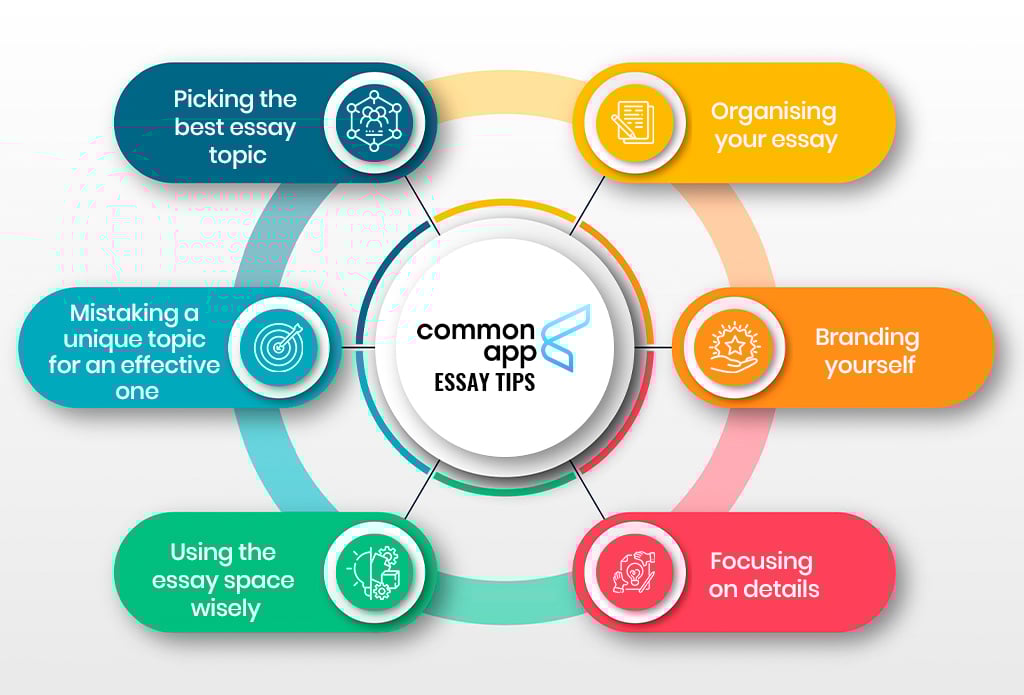
Master the Common App Essay as an IB student. Learn how to leverage your CAS, EE, and international mindset in your Personal Statement for US universities without sounding arrogant.

IB parents: Navigate college applications with this guide. Get expert tips on deadlines and proofreading while supporting your IB student's ownership of the process.
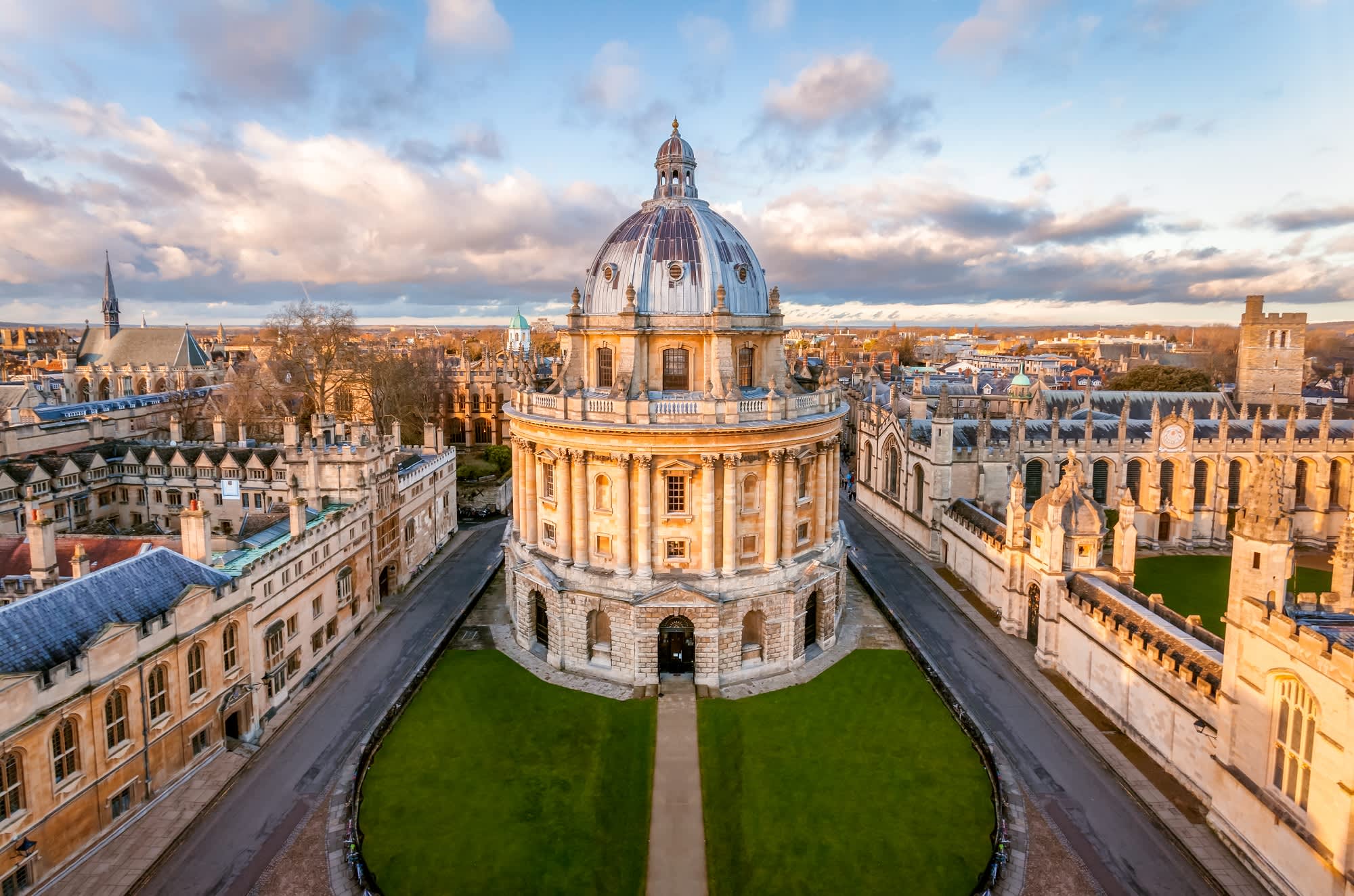
Get your free IB University Application Checklist: a timeline of key tasks (research, personal statements, recommendations) aligned with your IB schedule.
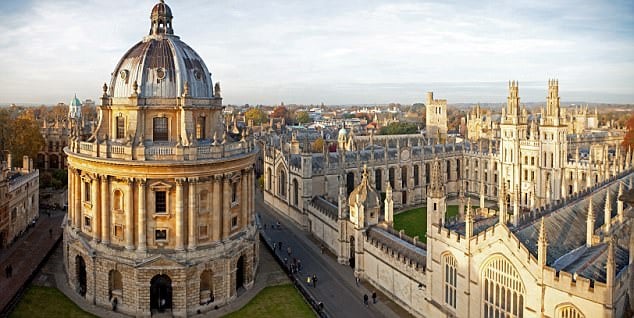
Learn how to ace your IB UCAS Application with this expert, step-by-step guide. Master your Personal Statement and ensure your predicted IB grades match your school's reference.
Oxbridge vs. Ivy League for IB students: Compare application styles—Oxford/Cambridge's academic focus vs. US Ivies' holistic approach (CAS, leadership).
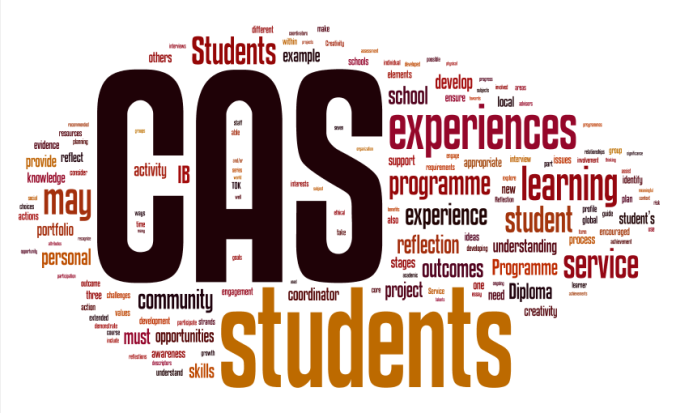
Find a comprehensive list of top US universities with strong IB recognition policies, compiled by 7/7 IB graduates.
600+ handpicked tutors from across the world with the best background and experience.

Geography shouldn't limit your potential. Lanterna provides premium online IB tutoring across the world, being partners with 250+ IB schools worldwide. Our country guides explore how the IB landscape shapes up and how our tutoring supports it perfectly.

1 hour of online tutoring in any subject with a 40+ IB graduate who scored a 7 in your subject.
No strings attached. By filling out the form you accept our T&Cs.
We are IB experts committed to achieving your academic goals.