50 Engaging CAS Project Ideas for IB Students
Feeling overwhelmed by the CAS project? Don't worry, you're not alone. It’s one of the most open-ended parts of the IB Diploma, which is both exciting and a little daunting. Think of it less as a hurdle to clear and more as your chance to do something genuinely cool, meaningful, and completely your own.
This guide is your complete toolkit. We'll break down the official requirements, spark your imagination with over 50 project ideas, and show you exactly how to write reflections and gather evidence that will impress any CAS coordinator.
First, A Quick Recap: The CAS Project Rules
Before diving into ideas, let's quickly cover the non-negotiables. Your CAS project must:
- Last at least one month: This covers everything from the initial planning stages to the final reflection.
- Be collaborative: You need to work with at least one other person. This could be fellow IB students or people from the wider community.
- Involve one or more CAS strands: Your project can focus on Creativity, Activity, Service, or a combination of them.
- Follow the 5 CAS Stages: Your project should show clear evidence of Investigation, Preparation, Action, Reflection, and Demonstration.
- Help you meet the 7 Learning Outcomes: More on this later, but your project is a huge opportunity to tick off these essential goals.
The Lanterna Tip: The best CAS projects often come from a simple place: What's a problem in your community you want to solve? Or what's a skill you've always wanted to learn? Start there, and build your project around it.
50+ CAS Project Ideas to Get You Started
Here are some ideas broken down by strand. Remember, the most memorable projects often combine two or even all three strands!
🎨 Creativity Projects
This is all about exploring your creative side and producing something original. Think beyond just painting a picture.
- Visual & Performing Arts: Organize a school art exhibition, create a community mural, produce a short film on a social issue, or direct a play with proceeds going to charity. Choreograph and stage a themed dance performance that explores an issue such as identity, inclusion, or mental health. Compose and perform original music for a school or community event, documenting the creative process from concept to performance.
- Digital Media: Start a podcast on student life or mental health, develop a website for a local non-profit, or create an educational YouTube channel teaching a skill you've mastered. Design a digital storytelling project (photo essays, animations, or interactive posts) highlighting community voices or experiences. Create a social media campaign using original content to promote a cause, focusing on message design, audience engagement, and impact.
- Writing & Publishing: Launch a student-led online magazine, write and illustrate a children's book to donate to a local library, or host a creative writing workshop and publish an anthology of the work. Write and produce a series of original spoken-word pieces or poetry performances centered on a chosen theme. Create a reflective blog or column that combines creative writing with commentary on school, culture, or global issues.
- Design & Innovation: Design and sew costumes for a school production, create and sell eco-friendly merchandise for a cause, or host a workshop teaching graphic design for awareness campaigns. Prototype a simple product or tool that addresses a local need, documenting iterations and design choices. Redesign existing materials (posters, brochures, packaging) for a community organization to improve clarity, accessibility, or sustainability.
🏃 Activity Projects
This strand is about physical exertion and promoting a healthy lifestyle. It’s not just for the star athletes!
- Community Fitness: Organize a charity 5k fun run, a dance-a-thon fundraiser, or a community sports day for local families. Lead weekly free fitness sessions (Zumba, aerobics, or stretching) in a local park or community centre. Organize an inter-house or inter-school friendly sports tournament focused on participation rather than competition. Coordinate a weekly community walk or “steps challenge” that encourages people of all ages to stay active together.
- Skill Development: Start a school fitness club (like yoga, running, or martial arts), volunteer to coach a junior sports team, or lead a marathon training program for your peers. Create a beginner- friendly strenght or mobility program for students new to exercise. Mentor younger students in developing basic athletic skills such as coordination, endurance, or flexibility. Develop and lead introductory fitness workshops that teach proper warm-ups, stretching, and injury prevention
- Outdoor & Adventure: Plan and lead a series of weekend hiking trips for students, organize a beach or park clean-up that involves a fitness challenge (like plogging), or arrange a long-distance cycling event for charity. Organize an outdoor boot-camp style workout using body-weight exercises in natural spaces. Lead a nature-based adventure challenge, such as an orienteering or trail-navigation activity. Organize a campus or community obstacle-course challenge using safe, low-cost equipment to promote endurance and teamwork.
- Wellness Initiatives: Develop a gentle fitness program for residents at a local nursing home, or lead weekly yoga and mindfulness classes at your school to help students de-stress. Design short guided movement or stretching routines for exam-season stress relief. Create an inclusive fitness initiative focused on posture, breathing, and relaxation for students with limited physical activity experience. Create guided breathing and movement sessions specifically designed to support exam-season well-being.
🤝 Service Projects
Service is about collaborative and reciprocal engagement with the community in response to an authentic need.
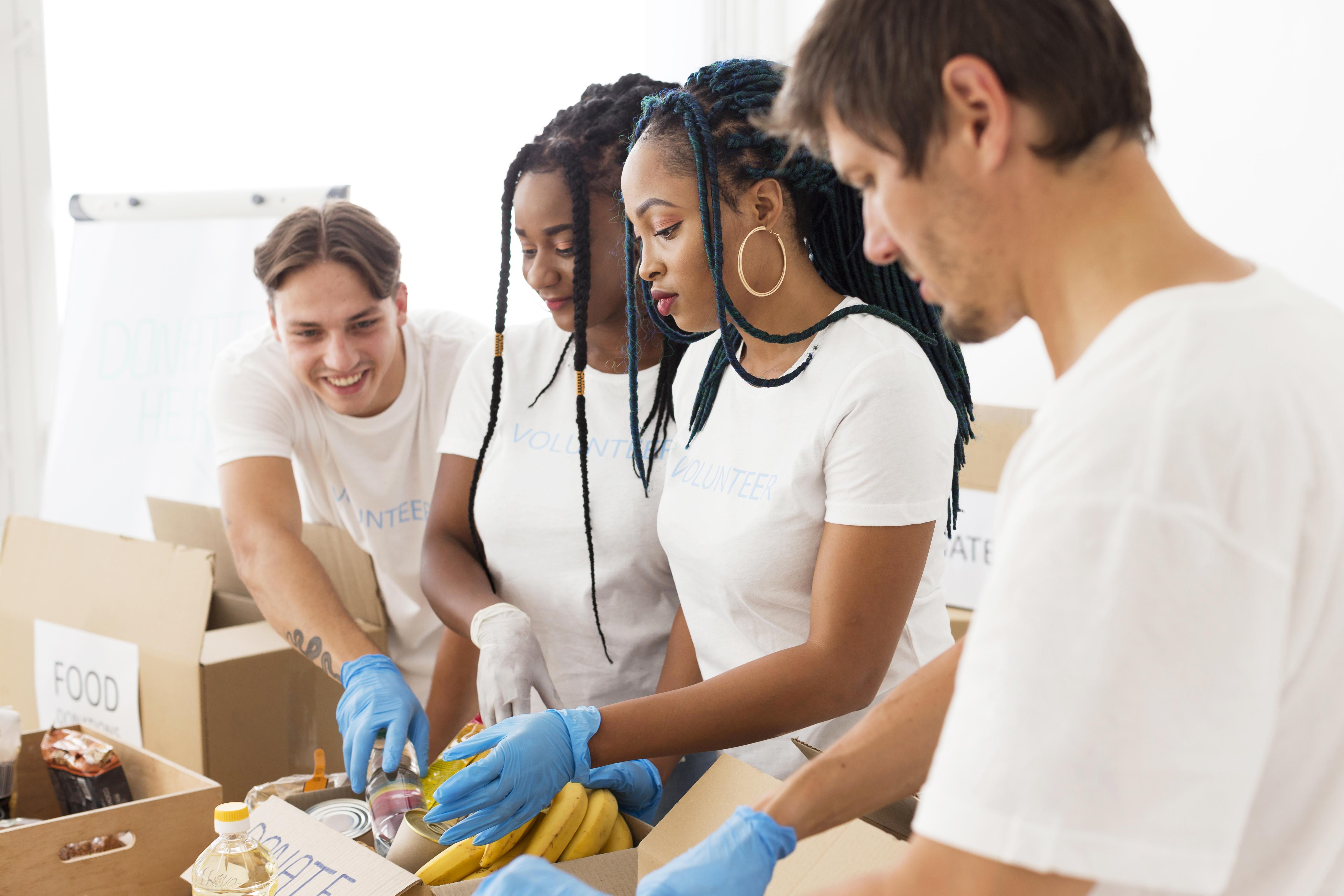
- Community Support: Start a tutoring program for younger students, organize a drive to create care packages for the homeless, volunteer at an animal shelter, or build a community garden to provide fresh produce for a food bank. Partner with a local NGO to run weekly companionship visits or activity sessions for senior citizens in the community. Create a peer-mentoring or buddy program for new or vulnerable students in your school.
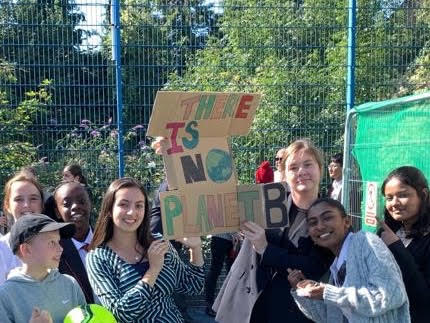
- Environmental Initiatives: Launch a school-wide recycling or composting program, organize a community tree-planting day, or form a "clean-up club" to maintain a local park or river. Work with local authorities or residents to reduce plastic use in nearby markets by promoting reusable alternatives. Work with community members to restore a neglected green space or create pollinator-friendly gardens. Conduct a water- or energy-audit in the school and propose practical sustainability improvements.
- Education & Awareness: Lead a campaign to raise awareness about mental health resources, run an environmental education workshop for primary school students, or organize a blood donation drive. Design and deliver workshops on digital safety or cyberbullying awareness for younger students or parents. Organize awareness sessions on nutrition, hygiene, or healthy lifestyle choices in collaboration with local experts. Develop and deliver study-skills or exam-preparation workshops for younger students.
- Global & Tech Support: Host a book or tech drive to collect items for students in need, provide free language lessons for immigrants, or teach basic computer skills to the elderly in your community. Create simple multilingual guides (digital or print) to help newcomers access essential local services such as healthcare, transport, or education. Set up virtual tutoring or language-exchange sessions with students from under-resourced communities. Create simple instructional videos or guides to help small local businesses or NGOs use basic digital tools.
🌟 Combined Projects: The Ultimate CAS Experience
- Charity Arts Festival: Organize a festival featuring student music (Creativity), dance performances (Activity), and fundraising stalls for a local charity (Service).
- Cultural Fair: Host a cultural fair with student-designed exhibits (Creativity), traditional dance or fitness workshops (Activity), and funds raised to support community organizations (Service)
- Music Festival: Organize a community open-mic night with spoken word, music, and theatre (Creativity), active audience participation or workshops (Activity), and donations supporting a chosen cause (Service).
- Recycled Backpacks: Identify a need for backpacks at a local school (Service), design them (Creativity), and make them from recycled materials (Service/Creativity).
- Charity Video Game Tournament: Host a gaming tournament (Creativity/Activity) where the entry fees are donated to a cause you care about (Service).
- Challenge: Organize a hybrid e-sports and fitness challenge where gaming rounds are paired with physical activity tasks, raising funds for a charity (Creativity/Activity/Service).
- Sustainability: Design and run sustainability workshops (Creativity), engage participants in hands-on making sessions (Activity), and donate finished products to under-resourced schools (Service).
Nailing Your CAS Reflections: It's Not a Diary Entry
CAS reflections are where you demonstrate learning, not just participation. Simply listing what you did is not enough—you need to show insight, growth, and connection. One clear and effective structure to use is the DEAL framework, which helps turn experiences into meaningful reflection:
- Describe: What happened, factually? What did you do? Briefly explain what the activity involved and your specific role in it. Focus on key facts and context rather than unnecessary detail, so the reader clearly understands the situation you are reflecting on. Example:" I participated in a weekly community clean-up project, working with a small team to organise waste collection and promote environmental responsibility".
- Examine: What worked well? What challenges did you face? How does this connect to your initial goals? Analyse the experience by identifying what worked well and what did not. Reflect on challenges, decision-making, and how your actions aligned—or didn’t—with your original goals or expectations. Example: "Although collaboration improved over time, I struggled initially with coordinating tasks when team attendance was inconsistent".
- Articulate Learning: What did you learn about yourself, your team, or the issue you were addressing? How did you develop a new skill? Explain what the experience taught you about yourself, others, or the wider issue involved. Highlight skills developed, changes in attitude, or moments of personal growth, and be specific about how this learning occurred. This is the most important part! Example: "Through this experience, I developed greater adaptability and leadership, learning how to adjust plans quickly and motivate others in challenging situations".
- Link: How does this experience connect to the bigger picture? Connect your learning to one or more of the CAS Learning Outcomes, global issues, or personal values. Consider how this experience influences your future actions, choices, or approach to similar situations. Example: "This activity contributed to the CAS Learning Outcome of working collaboratively with others and deepened my awareness of global environmental responsibility".
The 7 Learning Outcomes: Your Official Checklist
Every reflection you write and every piece of evidence you submit should intentionally demonstrate progress toward these seven learning outcomes. By the end of your IB journey, you must be able to show that all seven outcomes have been meaningfully met, not just mentioned, through sustained and well-documented experiences.
LO1: Strengths & Growth
Identify your existing skills and honestly reflect on areas where you needed to improve. Show self-awareness by explaining how the experience helped you recognize strengths and address weaknesses.
LO2: Challenges & Skills
Describe the challenges you faced and explain how you responded to them. Focus on the new skills you developed or strengthened as a result, such as communication, problem-solving, leadership, or collaboration.
LO3: Initiative & Planning
Demonstrate how you took initiative by starting, shaping, or significantly contributing to the planning of a CAS experience. Explain the decisions you made, how you organized resources or people, and how planning influenced the outcome.
LO4: Commitment & Perseverance
Show sustained engagement over time and explain how you dealt with setbacks or obstacles. Highlight moments where persistence, adaptability, or resilience helped you continue and complete the experience successfully.
LO5: Collaboration
Reflect on working with others by identifying both the benefits and challenges of teamwork. Show how you communicated, shared responsibility, managed differences, and contributed to a common goal.
LO6: Global Engagement
Connect your CAS experience to issues of global or local significance, such as sustainability, equity, health, or social justice. Explain how the experience increased your awareness of perspectives beyond your own and helped you understand your role as a global citizen.
LO7: Ethics of Actions
Consider the ethical dimensions of your decisions and actions during the CAS experience. Reflect on responsibility, fairness, respect, and the impact of your choices on others, including how ethical awareness influenced what you did or would do differently in the future.
Building Your Portfolio: The Evidence Locker
Your CAS portfolio is more than just reflections—it's the proof that you did the work. Think beyond words: make it multimedia! Tip: A diverse portfolio that mixes visuals, documents, and testimonials makes your CAS experience come alive!
Good evidence includes:
- Photos and videos of you in action- the most compelling way to show your involvement.
- Planning documents, timelines, and meeting notes- to demonstrate your organization and process.
- Screenshots of websites you built or social media campaigns you ran - to highlight your digital impact.
- Feedback from supervisors or community partners- emails or messages that show your contributions.
- Certificates of participation or letters of recommendation - formal recognition of your efforts.
Use this table to stay organized and ensure you're hitting all your goals for each project and experience.
| CAS Project / Experience | Strand(s) (C/A/S) | Learning Outcomes Targeted | Evidence Logged (e.g., Photos, Video, Reflection) |
|---|
| Charity Fun Run | Activity, Service | LO3, LO5, LO7 | Planning spreadsheet, photos from the event, final reflection video. |
| | | | |
| | | | |
| | | | |
CAS invites you beyond the classroom and into the real world—where your actions matter and your growth truly begins. Choose a project that lights you up, reflect on the journey with care, and you won’t just complete a requirement—you’ll create one of the most meaningful experiences of your IB Diploma.