
Graduates
- Scored 40+ in the IB and 7s in the subjects they teach.

Learn how to apply to Netherlands universities as an IB student. Get expert insights on application deadlines, entry requirements (like the 33-point average DP score), and low tuition costs.

The US and UK have long been thought of as the ‘best’ places to go to university as an international school student because of their top-of-the-line higher education in English. However, with US tuition prices forever increasing and Brexit uncertainty in the UK, more and more students are beginning to look elsewhere when choosing their universities. One country that has grown dramatically in the eyes of international students in the last few years is the Netherlands! They have many English-taught programmes at some of the highest ranked universities in the world. The only question is how do you apply? Let’s go through that!
Application deadlines vary depending on the university you’re applying to, as well as if you are a EU or non-EU citizen. However, the deadline is typically in the beginning of May or end of April. A few university programmes are subject to the ‘Numerus Fixus’ restriction including subjects such as medicine, psychology, international relations, and a few others. Note that if you are applying for a Numerus Fixus programme, your application may be due as early as the 15th of January for admission the following September.
The Netherlands has a unique admissions process. Unlike the UK or US where the admissions process is extremely selective, and only the top of the top have a chance at getting a place at the most prestigious universities, you are entitled to a place at a university in the Netherlands if you have an ‘appropriate’ school diploma. For IB, there is not always a minimum requirement in order to get in, but the average DP score for students at prestigious institutions such as Delft, Erasmus, or University of Amsterdam lies around 33 points.
For most scientific or mathematical subjects (Engineering, Economics, Mathematics, Medicine, Sciences…) you will likely be required to have taken certain subjects, like Maths HL, Physics HL, or Economics HL during your IB Diploma. This varies from university to university, though, so make sure to read up on the entry requirements for the specific programme you are interested in!
The Netherlands is famous for having relatively lenient entry requirements, but this does not mean that the standards at Dutch universities are any different from what they are in the UK or US. Although many students are accepted, an extremely high proportion of students drop out after their first year as they fail their exams! So, although NL might seem like an ‘easy’ option to apply to, be aware that the education once you are accepted will be just as hard as it will be anywhere else!
You may receive either an unconditional offer, or a conditional offer after you’ve applied to a Dutch university. An unconditional offer means you will be accepted as long as you pass your IB, while a conditional offer may require you to score above a particular number of points in total, or in a specific subject.
The best way to apply to Dutch universities is to contact the university directly. Although there exists a centralized system called Studielink (which you’ll need to sign up to anway), you may be better off applying straight to the university! Read the following article for more information on how Studielink works, and what it is!
Although universities in the Netherlands aren’t free, they are comparatively much cheaper when looking at other top universities around the world! Tuition fees at an average Dutch university may reach up to £1,750 per year. When taking into account accommodation and living costs you may be spending around £10,000 per year. Compare this to the UK, where the tuition alone is around £9,000, or the US where the tuition can go as high as £60,000 per year!
All things considered, the Netherlands is growing rapidly as one of the best places to pursue higher education as an IB graduate! From the international atmosphere to the quality education all at a reasonable price, it is a path not to be ignored!
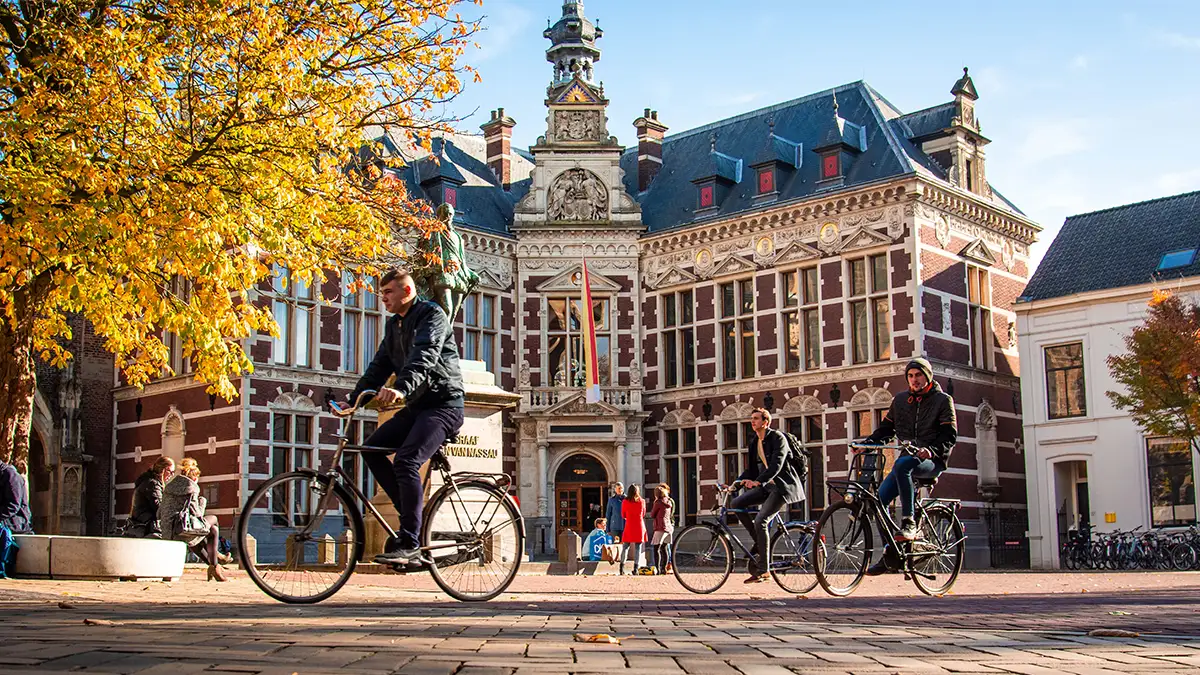
IB Student's Guide to Dutch Universities: Master Studielink, key deadlines, and the Numerus Fixus selection process for applying with your IB Diploma.

Learn how to write a killer motivation letter for European university applications. Expert IB tutor tips on structure, planning, and key principles for success.

IB parents: Navigate college applications with this guide. Get expert tips on deadlines and proofreading while supporting your IB student's ownership of the process.
Get your free IB University Application Checklist: a timeline of key tasks (research, personal statements, recommendations) aligned with your IB schedule.
What IB Score Do You Need for Top Universities? See the breakdown: 24 (Pass), 30-34 (Good), 38+ (Elite). Set realistic goals for top-tier universities.
Master your university application with "Before vs. After" motivation letter examples. Learn what admissions officers want to see and how to showcase your IB experience.
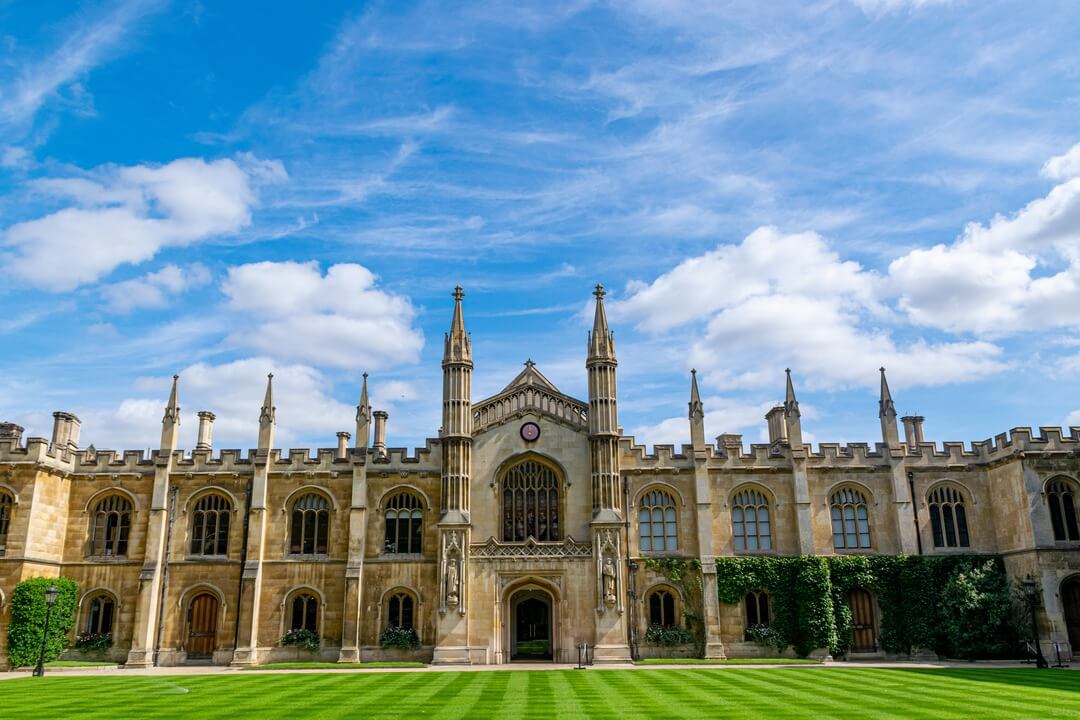
Decoding IB Scores: What's a 'Good' Score for Your Dream University? Find score ranges from minimum pass to competitive entry requirements for Oxford, Cambridge, and Ivy League.

Learn how to use your IB Extended Essay, CAS, and subject choices effectively to maximize your university application success and get into your dream college.
600+ handpicked tutors from across the world with the best background and experience.


Geography shouldn't limit your potential. Lanterna provides premium online IB tutoring across the world, being partners with 250+ IB schools worldwide. Our country guides explore how the IB landscape shapes up and how our tutoring supports it perfectly.

1 hour of online tutoring in any subject with a 40+ IB graduate who scored a 7 in your subject.
No strings attached. By filling out the form you accept our T&Cs.
We are IB experts committed to achieving your academic goals.