
Graduates
- Scored 40+ in the IB and 7s in the subjects they teach.

Learn how IB predicted grades work and why they're vital for university offers. Understand the role of mock exams and IAs, and discover what steps you can take.
.png)
Let's focus on one of the most stressful parts of DP2: predicted grades. It can feel like your academic future is being decided by a number your teacher comes up with months before you even sit the final exams. And while they are definitely important, they aren't the final word on your ability or your university prospects.
Think of this guide as a conversation with your tutor. We're going to break down exactly what predicted grades are, how they're decided, and most importantly, what you should do to influence them (and how to react if they’re not what you hoped for).
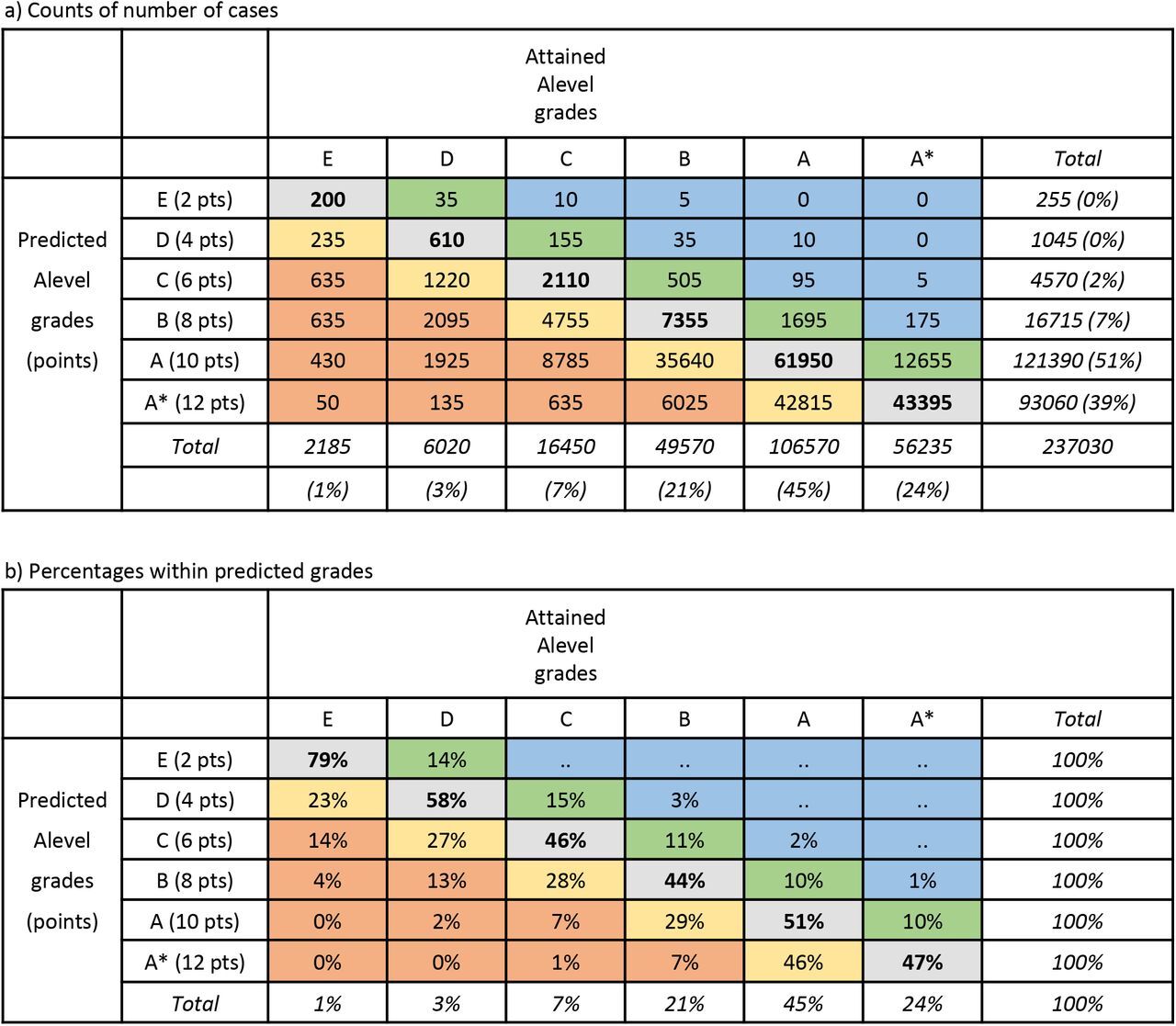
Simply put, a predicted grade is your teacher's professional, evidence-based estimate of the final grade you'll achieve in their subject. Because most university applications are due long before your final IB exams, these predictions are often the main academic data universities use to assess you.
Not all universities treat predicted grades the same way. It's crucial to know how your target region views them.
| Region | How Predicted Grades Are Used |
|---|---|
| UK & Europe | Heavily relied upon. They are the primary academic indicator for making conditional offers. For top universities like Oxford and Cambridge, you'll need predictions in the 38-45 point range, with 7s in specific HL subjects. |
| United States | Part of a "holistic" review. They are important, but considered alongside your GPA, essays, recommendations, and extracurriculars. Strong predictions support your application, but they won't make or break it on their own. |
| Canada | A key factor. Canadian universities use them to make conditional offers, similar to the UK system. |
It is really important to realise that your teachers don't actually pick a number out of thin air. They act like detectives, gathering evidence from your entire time in the DP. Schools have to report predicted grades to the IB and they are monitored. So, a school's goal is to be as accurate as possible, and teachers therefore base their judgment on a few key pieces of evidence:
In many schools this is the traditional heavyweight champion of prediction factors. Mocks are designed to simulate the real thing, so a strong performance here is the best evidence you can provide that you're capable of getting a top grade.
The quality of your IA drafts and your final submitted piece is a huge indicator of your skill. It's a major project, and the only item a teacher sees that directly contributes to your final grade, so it heavily influences your teacher's prediction.
Your outcomes in class tests, essays, and assignments throughout DP1 and DP2 matter. Teachers look at your trajectory: Are you improving? Are you consistent? Has there been a 'blip' along the way? This body of work paints a picture of your work ethic and understanding.
While not a direct calculation, your consistent attitude matters. A student who actively participates, asks thoughtful questions, and seeks feedback shows a commitment that a teacher will notice and factor into their professional judgment.
Okay, so you're not a passive bystander in this process. You have agency. Here’s how to build a strong case for the grades you want:
It can be a gut punch to receive a predicted grade that’s lower than what you 'need' or what you feel you deserve. It's okay to be disappointed, but it's not the end of the road. Here is a productive, step-by-step approach to handle it.
Learn how your IB predicted grades are calculated using mocks and IAs. Understand their crucial role for university offers and get expert tips for discussing them with teachers.

Decoding IB Scores: What's a 'Good' Score for Your Dream University? Find score ranges from minimum pass to competitive entry requirements for Oxford, Cambridge, and Ivy League.

What IB Score Do You Need for Top Universities? See the breakdown: 24 (Pass), 30-34 (Good), 38+ (Elite). Set realistic goals for top-tier universities.
IB Report Card Guide for Parents: Decode "Predicted Grade," "ATL Skills," and the 1-7 scale. Learn why a '5' is a strong IB score and understand your child's progress.

IB parents: Navigate college applications with this guide. Get expert tips on deadlines and proofreading while supporting your IB student's ownership of the process.

Get your free IB University Application Checklist: a timeline of key tasks (research, personal statements, recommendations) aligned with your IB schedule.

Master your university application with "Before vs. After" motivation letter examples. Learn what admissions officers want to see and how to showcase your IB experience.

IB Results Day Guide for Parents: Prepare for July 6th with tips for celebrations, handling a "near miss," calling universities, and using the remark strategy.
600+ handpicked tutors from across the world with the best background and experience.


Geography shouldn't limit your potential. Lanterna provides premium online IB tutoring across the world, being partners with 250+ IB schools worldwide. Our country guides explore how the IB landscape shapes up and how our tutoring supports it perfectly.

1 hour of online tutoring in any subject with a 40+ IB graduate who scored a 7 in your subject.
No strings attached. By filling out the form you accept our T&Cs.
We are IB experts committed to achieving your academic goals.