
Graduates
- Scored 40+ in the IB and 7s in the subjects they teach.

IB vs A-Level: Discover which diploma sets you up best for university acceptance, higher grades, and better career prospects, based on HESA student data.

We know this is a controversial question to ask – IB students take pride in the difficulty in the diploma and A Level students are no different. For those of you who are unaware of A Levels, they are the common path that students in the UK follow. As former IB students, though, we wanted to see if we could find some real answers about what really sets you up for university best, though… Is it the infamous IB programme or the classic A Level Diploma? Let’s take a look at the facts!
Note: The following is based on a study conducted by the Higher Education Statistics Agency (HESA) in 2016. To read the full study, follow this link.
40.1% of IB students were accepted to a Top 20 Higher Education provider in the UK (based on an index created by looking at 3 major university ranking lists), while the same number only stands at 23.7% for A Level Students. So, it would suggest that IB students are more likely to be accepted to one of the top universities in the UK.
A few fields that a higher proportion of IB students go into than A Level students include Medicine, Engineering & Technology, Business & Administrative Studies, and Law. A Level students, on the other hand, are more likely to go into fields such as Biological Sciences, Physical Sciences, Creative Arts & Design, and Education.
While a few of these fields show stark differences in the proportion of IB and A Level students, most fields are relatively similar – so it’s difficult to draw any real conclusions about the likelihood of being accepted to a certain course based on your diploma.
The study followed up with IB and A-Level students after 1 year at university to see what proportion of students continue and make it into their second year. A whopping 93.2% of IB Diploma students continued at university after one year, while this number stands at 92.8% for A Level students. It’s difficult to tell if this difference is statistically significant, so in this regard A Level and IB students may be considered similar!
A quarter of IB students (24.4%) graduate their higher education with a first class degree, the highest degree classification possible in the UK. This number falls to a fifth (20.7%) for A Level students. Naturally, A Level students are thus more likely than IB students to an upper second class, lower second class, or third class degree.
Proportionally, A Level students are more likely to have their first job out of higher education be within the fields of Wholesale and Retail Trade, Accommodation and Food Service, Education, or Transport and Storage. IB students are more likely to work within Scientific & Technical Activities, Information and Communication, or Financial and Insurance Activities.
The median salary of an IB graduate the year after leaving Higher Education stood at £21,000 in 2012. For A Level students this number stood at £20,000, so not a large difference, but a statistically significant one. This naturally comes due to IB students being proportionally slightly more likely to work within fields such as medicine, sciences, and finance, where the base salary is typically higher than industries like wholesale, retail, or service.
If you’re interested in reading about this study more in-depth, follow this link! Remember that although statistics only show general trends they aren’t guarantees that you’re going to get accepted to the best universities and get the highest paying job just because you’re doing the IB Diploma! Keep working hard and you’ll reap the rewards in just a few short years!

IB vs. A-Levels vs. AP: Compare core differences in curriculum, assessment, and university recognition to choose the right pre-university path for your goals.
IB MYP vs. GCSE: Is the Middle Years Programme right for your child? Our parent's guide explains the IB MYP curriculum, assessment, and comparison to the GCSE system.
.png)
Master your IB subject choices for university. Get strategic advice on crucial SL vs. HL differences and expert pathways for STEM, Business, and Humanities degrees.
.png)
IB English: Lang & Lit vs. Literature? Compare syllabus, SL/HL assessments, and reading lists to choose the right course for your IB Diploma.
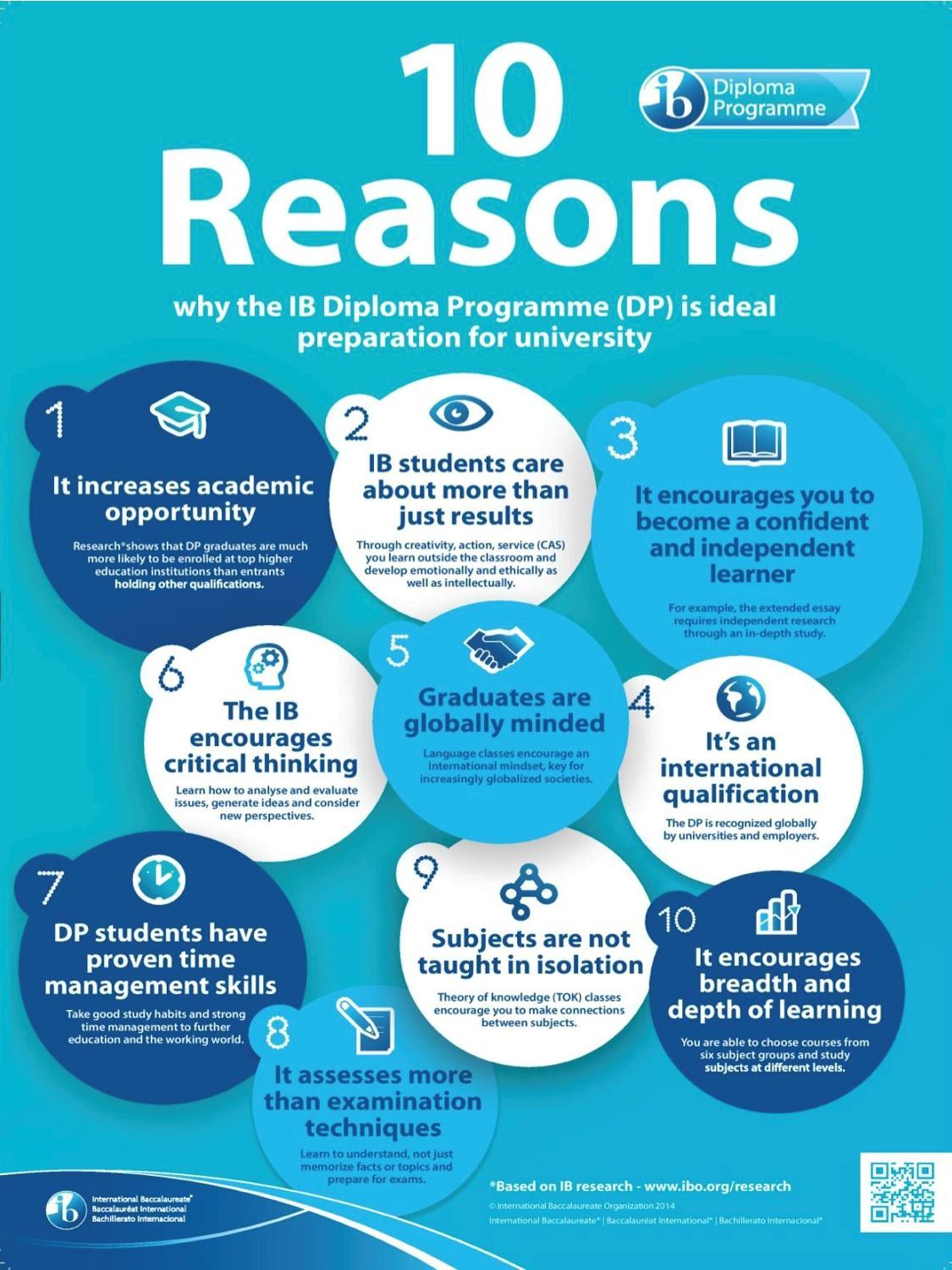
IB Diploma Benefits for Parents: Justify the hard work with our guide on university preparation and essential skill development for a successful future.
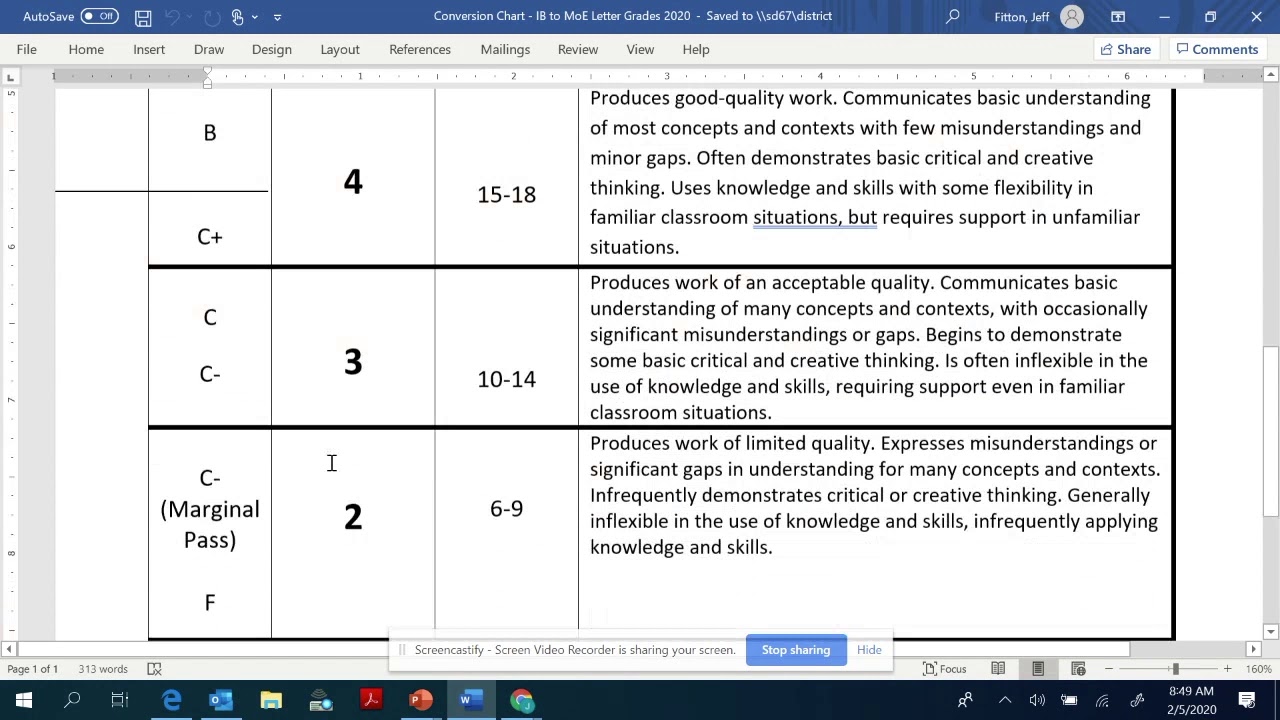
Oxbridge vs. Ivy League for IB students: Compare application styles—Oxford/Cambridge's academic focus vs. US Ivies' holistic approach (CAS, leadership).

Understand the key differences between A-levels and IB. Learn about subject load, specialisation, mandatory research (Extended Essay/EPQ), and UCAS points conversion.
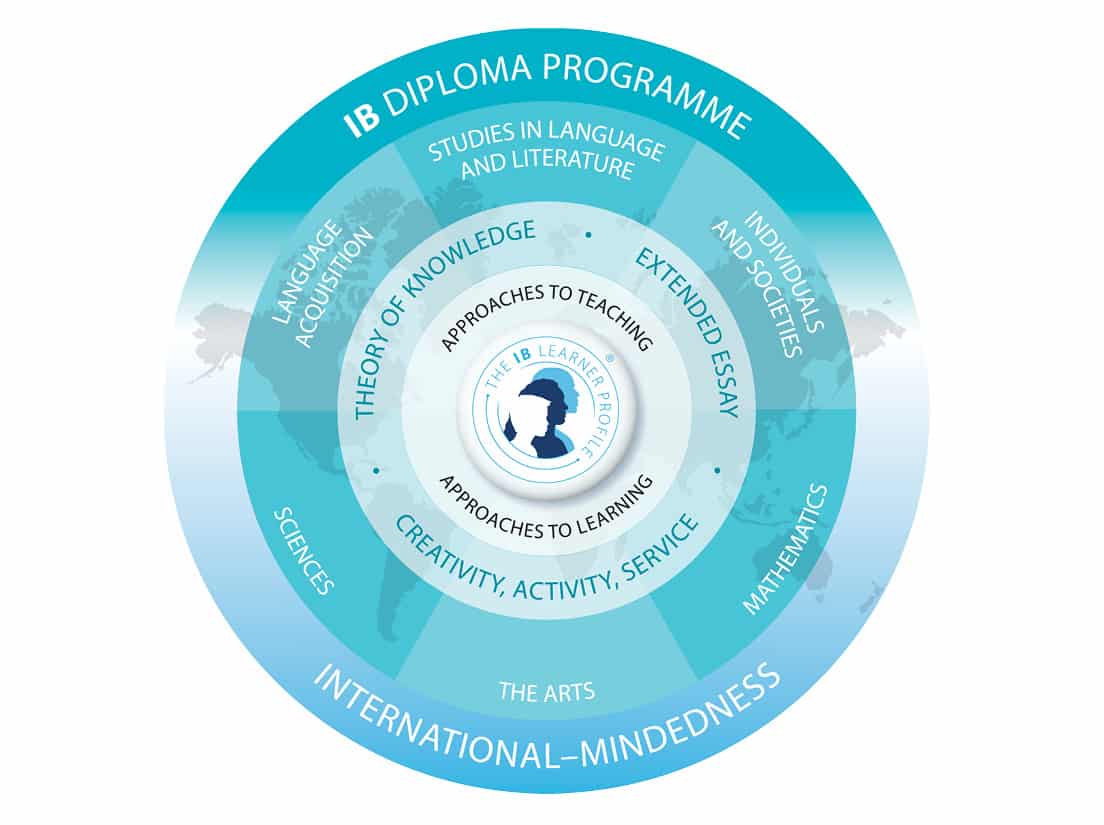
Deciding on the IB Diploma? Learn 5 key reasons why choosing the IB prepares you for university success, fosters independent thinking, and keeps your options open.
600+ handpicked tutors from across the world with the best background and experience.


We are IB experts committed to achieving your academic goals.