
Graduates
- Scored 40+ in the IB and 7s in the subjects they teach.

Ultimate IB Program Guide: Explore PYP, MYP, & DP. Get clarity on benefits, workload, and global university recognition for students. Free guide from IB 7 grads.

So, you’ve heard the whispers about the IB… A thousand opinions. Some say it’s intense, others say it’s life-changing—but what’s the truth? Is it just your national curriculum on hard mode? Will homework replace your social life? And—most importantly—does it actually help you get into your dream university? Let's break it down, tutor-to-student style.
Think of this as your no-nonsense, tutor-to-student guide to the IB. We’ll unpack what it really is, smash a few myths along the way, and give you the honest pros and cons—so you (and your parents) can decide if the IB is your kind of challenge, and the right fit for your goals, your strengths, and your future.
he International Baccalaureate is more than just a set of exams— it is a way of learning and thinking. Created in Switzerland in the 1960s, the IB was designed to develop curious, open-minded, and globally aware young people. It goes beyond memorising facts and focuses on teaching you how to analyse, question, and think for yourself.
The IB is a complete educational journey, but at your age, you’ll be choosing between its final two stages:
Diploma Programme (DP):
This is the programme you’ve probably heard the most about. It’s a demanding two-year, pre-university course for students aged 16–19 that challenges you academically while helping you grow as an independent learner. The DP leads to a globally recognised qualification that universities around the world respect and value.
Career-related Programme (CP):
This is a more flexible alternative for students aged 16–19 who want to connect academics with real-world skills. The CP combines the academic rigour of at least two DP subjects with hands-on, career-focused learning—preparing you not only for university, but also for apprenticeships and the world of work.
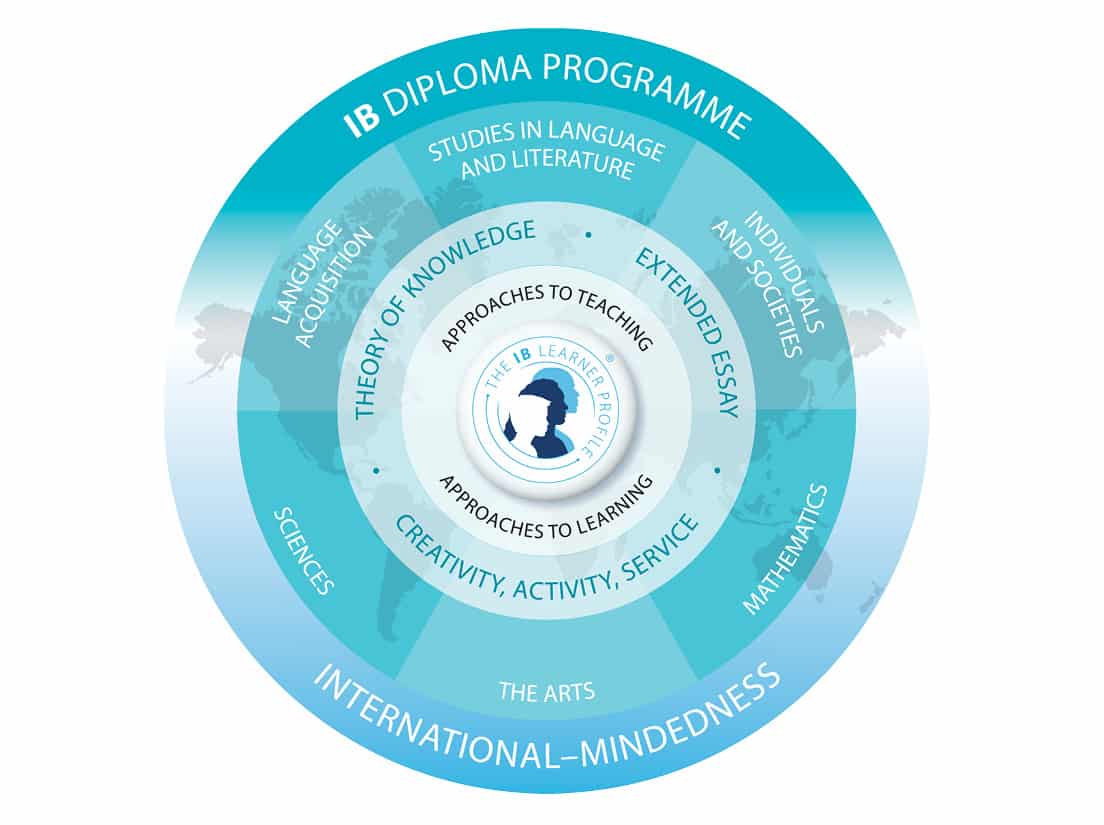
The Diploma Programme (DP) is the IB’s flagship qualification—and what most students mean when they say, “I’m doing the IB.” It’s designed to balance breadth and depth, so you don’t have to choose between being well-rounded and specialising. The programme is built around two key components: six academic subjects and the IB Core.
You select one subject from each of the six subject groups, ensuring a balanced education and keeping your future options open. This structure is what gives the IB its reputation for developing versatile, adaptable learners.
Studies in Language and Literature: Your first or native language.
Language Acquisition: A second language at an appropriate level (for absolute beginners or for those who already have a solid foundation)
Individuals and Societies: Humanities such as History, Economics, Geography, or Psychology.
Sciences: Subjects like Biology, Chemistry, or Physics.
Mathematics: Different pathways and levels aligned with your strengths and university goals.
The Arts: Visual Arts, Music, Theatre—or, if preferred, an additional subject from another group.
You study three subjects at Higher Level (HL) and three at Standard Level (SL). HL subjects involve more content, deeper analysis, and higher expectations, making them ideal for subjects you enjoy most or need for your future studies. SL subjects provide essential balance, ensuring you graduate with a broad and solid academic foundation.
This is what truly sets the IB apart. The Core is mandatory for all DP students and is designed to broaden your educational experience and challenge you to apply your knowledge and skills.
TOK is the course that teaches you how to think, not what to think. It invites you to question how knowledge is created, shaped, and challenged by asking one powerful question: “How do you know what you know?”
You’ll learn to evaluate evidence, analyse claims, and compare different perspectives across subjects and real-life situations—skills that are invaluable at university and beyond.
The Extended Essay is your chance to become a researcher. You choose a topic you’re genuinely interested in and explore it in depth through a 4,000-word independent research paper, guided by a supervisor. A mini-thesis, in essence.
Along the way, you’ll learn how to formulate a research question, evaluate sources, and write in an academic style—essential skills for university. For many students, the EE is their first real taste of higher-level research and a strong preparation for undergraduate study.
CAS is the heart of the IB experience, where learning moves beyond the classroom and into real life. Through creative projects, physical activity, and meaningful service, you are encouraged to grow as a person—not just as a student.
Rather than focusing on grades, CAS is about initiative, commitment, and reflection. You will develop skills like leadership, teamwork, and empathy while making a genuine impact on your community. It is also a chance to explore your passions, try new challenges, and create experiences that are both personally rewarding and highly valued by universities.
There’s a lot of talk about the IB—and not all of it is true. Let’s separate fact from fiction by tackling some of the most common myths.
Like any curriculum, the IB has its strengths and challenges. Being honest about them is the best way to see if it aligns with your learning style and goals.
This is the question that matters most to many students—and the answer is clear: universities love and value IB students highly.
Admissions officers understand that the IB Diploma represents far more than a final score. It signals that a student has been trained to think critically, write analytically, conduct independent research, and cope with a rigorous academic workload. Multiple studies and university reports consistently show that IB graduates are not only more likely to gain admission to top universities, but also tend to perform strongly and adapt more smoothly once they arrive
Ultimately, choosing the IB is a big decision. It is a demanding yet deeply rewarding journey—one that prepares you not just for a university degree, but for a future where adaptability, critical thinking, and a global perspective matter more than ever.
A complete guide to the IB Diploma Programme. Understand its core components (TOK, EE, CAS), subject groups, and grading system. Learn why the IB offers outstanding preparation for university.
Demystify the IB Core! This simple guide explains TOK, the Extended Essay (EE), and CAS for pre-DP students. Get a clear overview of the three essential components.
Understand the IB Diploma Programme curriculum, subjects, and core elements (CAS, TOK, EE) with this expert guide. Learn how IB assessments and grading work.

Understand the International Baccalaureate (IB) program: its diploma structure, core components (Extended Essay, CAS, TOK), curriculum, and benefits for university success.

Prepare for the IB Diploma with these top 10 tips from an expert tutor. Learn how to assess subjects, improve study habits, and stay organized for success.
Deciding on the IB Diploma? Learn 5 key reasons why choosing the IB prepares you for university success, fosters independent thinking, and keeps your options open.
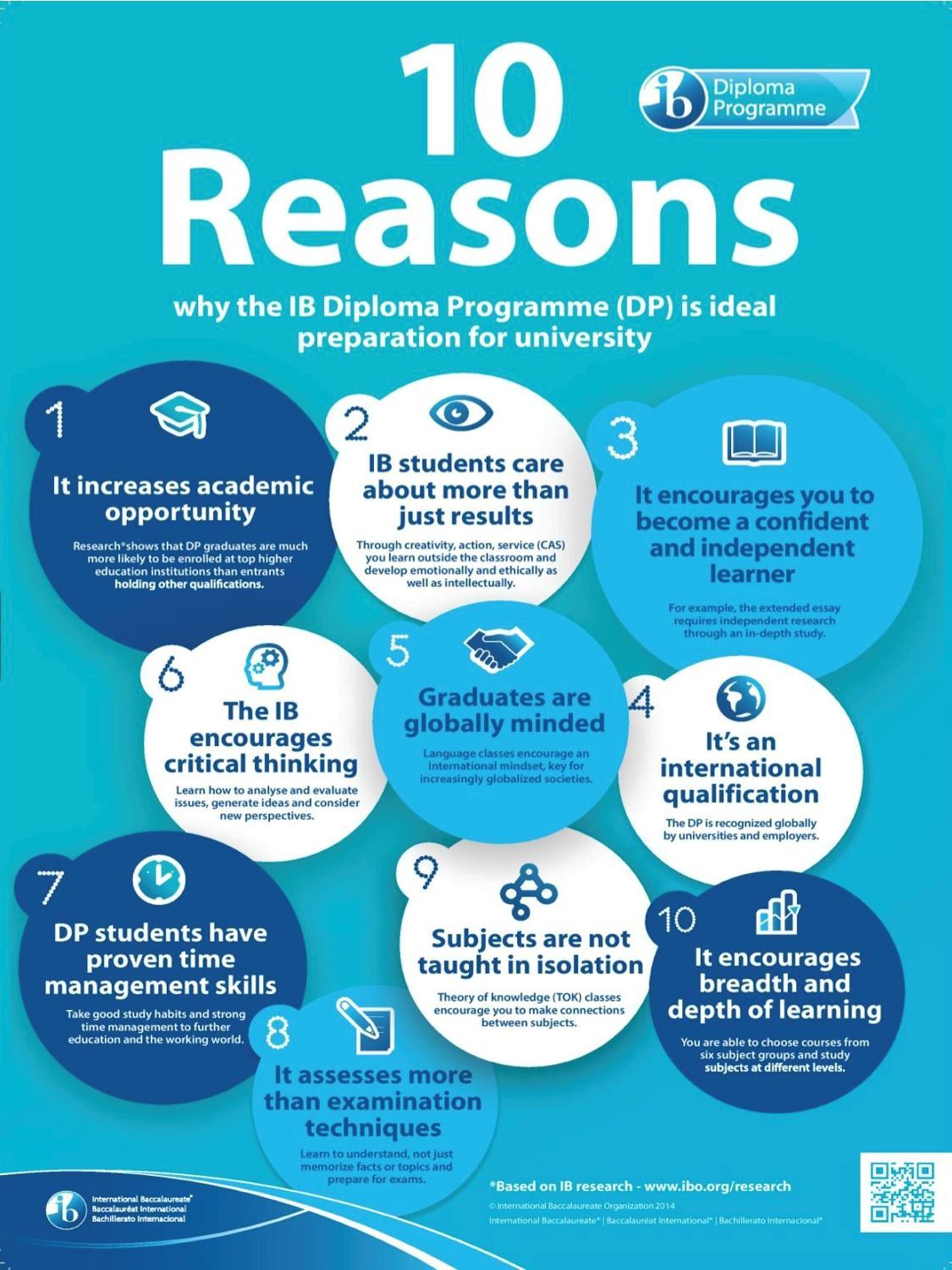
IB Diploma Benefits for Parents: Justify the hard work with our guide on university preparation and essential skill development for a successful future.
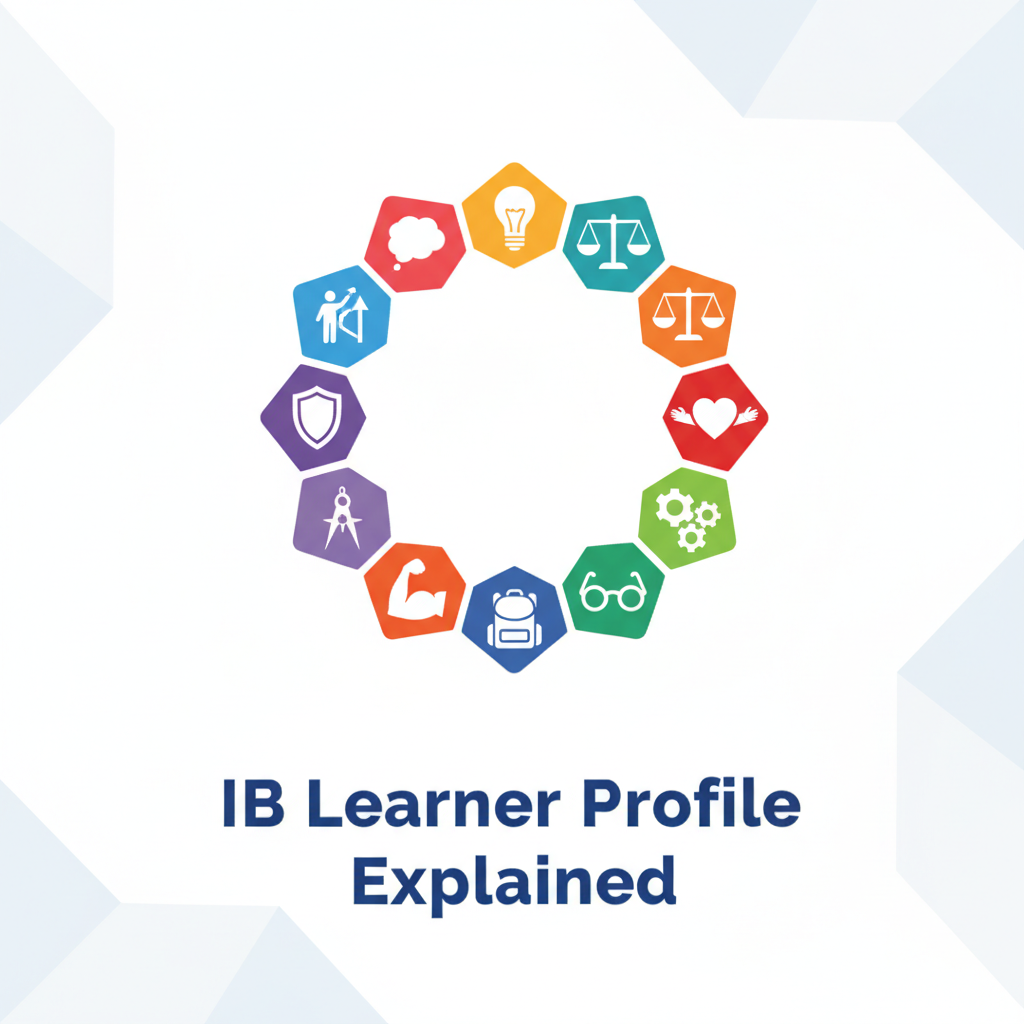
Discover the real-world value of the IB Diploma. This free guide translates the 10 IB Learner Profile attributes (Inquirers, Thinkers, etc.) into essential employability skills for parents and students, demonstrating the education's long-term benefits beyond university admission.
600+ handpicked tutors from across the world with the best background and experience.


Geography shouldn't limit your potential. Lanterna provides premium online IB tutoring across the world, being partners with 250+ IB schools worldwide. Our country guides explore how the IB landscape shapes up and how our tutoring supports it perfectly.

1 hour of online tutoring in any subject with a 40+ IB graduate who scored a 7 in your subject.
No strings attached. By filling out the form you accept our T&Cs.
We are IB experts committed to achieving your academic goals.