
Graduates
- Scored 40+ in the IB and 7s in the subjects they teach.

Get the free guide for IB students applying to Canadian universities. Learn about direct entry, transfer credits, and how HL subjects can skip first-year courses at schools like McGill and UofT.
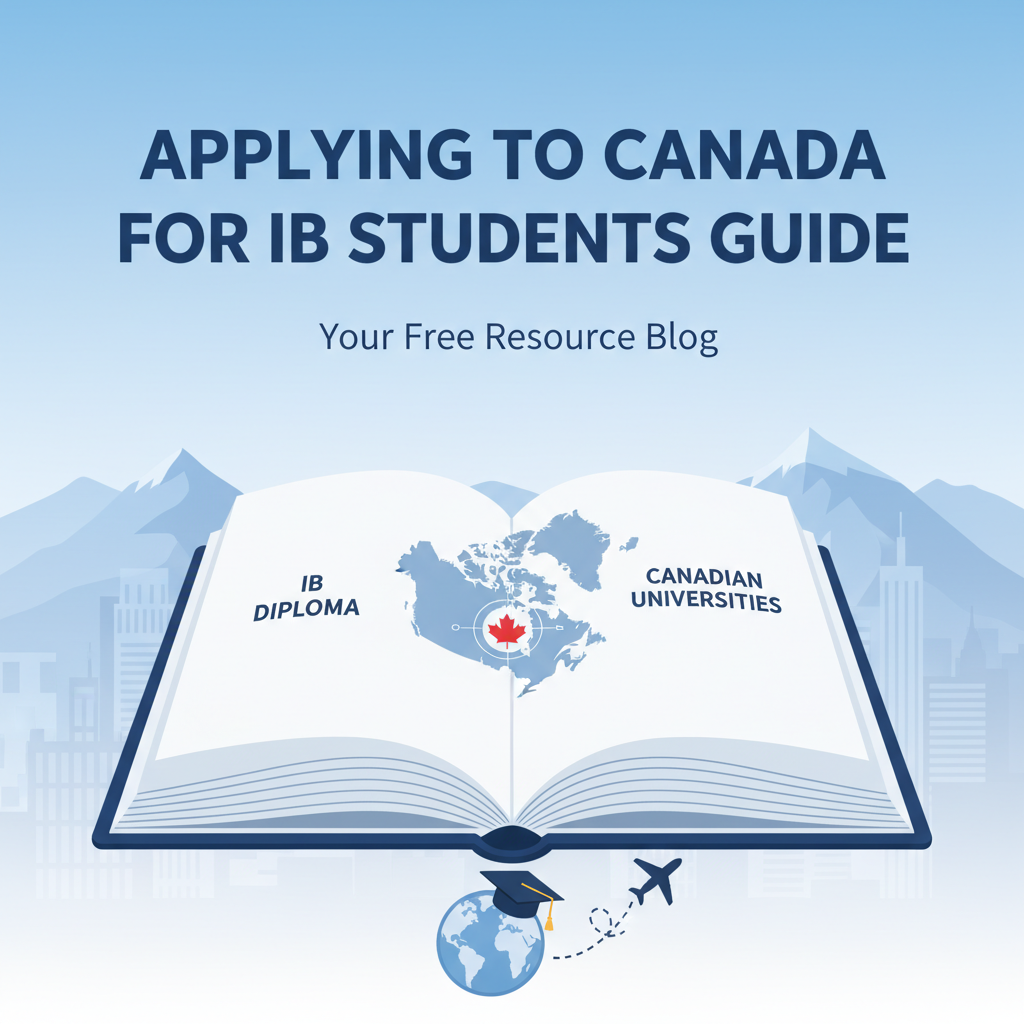
As an IB student, you're already going through one of the most rigorous high school programs in the world. The good news? Canadian universities know this, and they value the skills you're building. They often offer distinct advantages that can fast-track your academic journey, from getting into the top universities, to getting ahead.
This guide will break down exactly how to leverage your IB Diploma when applying to top Canadian institutions like McGill University or the University of Toronto. Think of this as your insider knowledge to make your application stand out.
By using this guide, you will be able to:
Canada has become a top choice for IB students, and for a good reason. Its world-class universities, diverse culture, and high quality of life are a huge draw. More importantly, Canadian institutions recognize the depth of the IB curriculum. They often extend special considerations to IB graduates, offering benefits like academic credits for strong IB scores, dedicated scholarships, and sometimes even direct entry into the second year of a four-year program. Universities like McGill, the University of Toronto, and UBC are consistently among the most popular choices for IB students from around the world.
Understanding these two concepts is key to maximizing your advantage. They can save you time, money, and stress during the application process and your first year of university.
The IB Diploma is a powerful credential for admission across Canada. Many universities offer "direct entry" to full IB Diploma candidates, often based on your predicted grades. This means they'll assess your application based on the scores your school anticipates you'll achieve, potentially leading to earlier admission offers than other applicants. The application process generally involves applying directly to each university, with the main exception being public universities in Ontario, which use a centralized system called the Ontario Universities' Application Centre (OUAC).
This is one of the most significant perks. Earning university transfer credits can reduce the number of courses you need to take, giving you a lighter first-year workload or letting you graduate sooner. Here's how it works:
Excelling in your HL subjects can give you "advanced standing," allowing you to bypass introductory university courses. This means you can jump straight into more interesting, advanced classes, free up space for electives, or even pursue a double major. Let's look at two top universities as examples.
McGill is very generous with IB recognition. Here's what you need to know:
UofT also highly values the IB, though its system is slightly different:
To make sure you're fully prepared, run through this checklist as you work on your applications.
Your IB Diploma is an exceptional foundation for university, especially in Canada. By understanding how direct entry and transfer credits work, you can plan your applications strategically and potentially accelerate your degree. The critical thinking, research skills, and global perspective you're developing are exactly what Canadian universities are looking for!

Learn how to apply to university in Canada as an IB student. Get expert knowledge on admissions, costs, and the application process, including common IB acceptance rates.
Get your free IB University Application Checklist: a timeline of key tasks (research, personal statements, recommendations) aligned with your IB schedule.

IB parents: Navigate college applications with this guide. Get expert tips on deadlines and proofreading while supporting your IB student's ownership of the process.

Master your university application with "Before vs. After" motivation letter examples. Learn what admissions officers want to see and how to showcase your IB experience.
Decoding IB Scores: What's a 'Good' Score for Your Dream University? Find score ranges from minimum pass to competitive entry requirements for Oxford, Cambridge, and Ivy League.

What IB Score Do You Need for Top Universities? See the breakdown: 24 (Pass), 30-34 (Good), 38+ (Elite). Set realistic goals for top-tier universities.
Learn how to ace your IB UCAS Application with this expert, step-by-step guide. Master your Personal Statement and ensure your predicted IB grades match your school's reference.
Oxbridge vs. Ivy League for IB students: Compare application styles—Oxford/Cambridge's academic focus vs. US Ivies' holistic approach (CAS, leadership).
600+ handpicked tutors from across the world with the best background and experience.


Geography shouldn't limit your potential. Lanterna provides premium online IB tutoring across the world, being partners with 250+ IB schools worldwide. Our country guides explore how the IB landscape shapes up and how our tutoring supports it perfectly.

1 hour of online tutoring in any subject with a 40+ IB graduate who scored a 7 in your subject.
No strings attached. By filling out the form you accept our T&Cs.
We are IB experts committed to achieving your academic goals.