Lanterna Education | Online IB Tutoring
DP1DP2Pre-DPStudentsUltimate GuideAbout the IBIAsEE

IB Academic Honesty Guide

Master IB academic honesty: Learn policy, understand plagiarism/collusion consequences, and get essential citation tips to succeed.

Mark Buckley
January 17, 20264 min read
Banner

Your IB Guide to Academic Honesty: How to Avoid the Pitfalls

Let's talk about something that can feel a bit scary but is absolutely critical for your IB success: Academic Honesty. This is covered in an IB Policy called 'Academic Integrity'. Think of it not as a list of rules designed to catch you out, but as the core principle of respecting your own work and the work of others. Getting this right is non-negotiable for protecting your grades and your diploma.

This guide will break down exactly what you need to know, from the most common mistakes students make to a practical checklist for staying in the clear.

The "Big Two": Plagiarism and Collusion Explained

Most academic misconduct cases fall into one of these two categories. Understanding the difference is your first line of defence.

1. Plagiarism: More Than Just Copy-Pasting

Plagiarism means presenting someone else's ideas or work as your own without giving them proper credit. It's often unintentional, stemming from sloppy note-taking, but the consequences are the same. Watch out for these common forms:

  • Direct Plagiarism: The classic copy-paste. Taking text word-for-word from a source without using quotation marks and a citation.
  • Paraphrasing Plagiarism: Putting someone else's idea into your own words but failing to cite the original source. Your words, their idea – it still needs a citation!
  • Mosaic Plagiarism: Weaving together phrases and sentences from different sources to create a new paragraph. If you're not citing each piece, it's still plagiarism.
  • Self-Plagiarism: Yes, you can plagiarise yourself! Submitting the same piece of work (or parts of) for different assessment components is not allowed. It is commonly known as 'double dipping'. As an example, your History IA and EE must be entirely separate projects on different topics.

2. Collusion: The Line Between Teamwork and Cheating

Collusion is supporting academic misconduct by another student. This is where the line between helping a friend and cheating can get blurry. Collaboration on ideas is often encouraged, but the work you submit must be 100% your own.

Here’s the difference:

  • Collaboration: Discussing concepts from a Physics lesson with a friend to understand them better.
  • Collusion: Giving that friend your completed lab report to "use as a guide," and they end up submitting work that is almost identical to yours.
  • Collusion: Asking someone to edit or rewrite parts of your essay for you.
  • Collusion: Sharing your exam notes or answers with another student.
The Lanterna Tip: Treat your work like a password. You can discuss the general process with friends, but never share your final written document, code, or data with anyone else before it's submitted.

What's at Stake? The Real Consequences

The IB takes academic malpractice very seriously. The penalties are designed to be a deterrent and to ensure fairness for every student. Here’s what can happen if you're found in breach of the rules:

  • A Warning or Grade Penalty: For issues like improper/lack of citation in a small section, you might lose the marks for that component or receive a formal warning.
  • A Zero for the Component: For more significant issues, like more extensive lack of citation or a partially copied IA, you'll likely receive a zero for the entire assessment. That's a massive blow to your subject grade.
  • No Grade for the Subject: For serious malpractice, like cheating in an exam or submitting a largely plagiarised Extended Essay, you will receive no grade for that subject (effectively thereby failing the Diploma).
  • Diploma Withheld: In the most severe cases, the IB may directly decide not to award you the Diploma. All that hard work, gone.

Beyond the IB: Remember that academic misconduct can appear on your school transcripts. Universities can, and do, withdraw conditional offers if they discover an instance of plagiarism or collusion. You also need to use these skills when you get to university.

Your Defence Plan: The Ultimate Citation Checklist

Proper citation is your best tool to uphold academic honesty. It's how you show respect for other researchers and demonstrate the depth of your own learning. Follow this checklist every time.

  • When in doubt, cite it out. This is the golden rule. If an idea, fact, image, or piece of data did not originate in your own head, you must acknowledge its source.
  • Quote it right. If you use someone's exact words, they MUST be enclosed in quotation marks and followed immediately by an in-text citation, including a page number where possible.
  • Paraphrasing still needs a reference. Even when you rephrase an idea, you're still using someone else's intellectual property. Acknowledge the original author with an in-text citation.
  • Be ruthlessly consistent. The IB doesn't mandate one specific referencing style (like Chicago, MLA, or APA), but you MUST pick one and use it consistently throughout your entire piece of work. Check what your school or subject teacher prefers.
  • Master the two-part system. You need both:
    1. In-text citations: The short marker right after the information in your essay (e.g., Smith, 2021).
    2. A full bibliography/works cited list: The complete list of all sources at the very end of your work.
  • Keep meticulous notes during research. As soon as you pull a quote or an idea from a source, copy the citation information into your notes immediately. Trying to find it again weeks later is a recipe for accidental plagiarism. Programmes like Microsoft Word and sites like EasyBib will help you do a lot of the admin work behind citation.
  • Use your tools wisely. Ask your IB Coordinator if your school provides access to software like Turnitin. You can often use it to check your own work for originality before you submit, giving you a chance to fix any mistakes.
  • Artificial Intelligence. Be very careful! The IB allows limited use of AI in planning your work, ideating research, or minor grammar edits. But, this too must be cited. Add an AI Usage Statement, detailing what was used and how, before or after the essay text.

Related to IB Academic Honesty Guide

IB Extended Essay (EE) Guide
EEUltimate GuideUniversityTOKDP2StudentsParents

IB Extended Essay (EE) Guide

What is the Extended Essay (EE)? Get a complete overview of this mandatory 4,000-word research paper in the IB Diploma Programme core.

The Ultimate Guide to Nailing Your IB Internal Assessment (IA)
IAsUltimate GuideStudy SkillsAbout IBDP1DP2Students...

The Ultimate Guide to Nailing Your IB Internal Assessment (IA)

A complete guide to the IB Internal Assessment. Learn how to choose a topic, manage your timeline, and structure your IA for a top grade. Includes tips for parents.

Ultimate IB History IA Guide
IAsUltimate GuideHumanitiesStudy SkillsDP1DP2Students

Ultimate IB History IA Guide

Master your IB History IA with this ultimate guide. Get high-scoring topic ideas, structure advice, assessment criteria breakdown, and expert tips to avoid common pitfalls and achieve a 7.

Master IB TOK Guide
TOKUltimate GuideIAsDP1DP2StudentsParents

Master IB TOK Guide

Master IB Theory of Knowledge (TOK) with our complete guide. Learn about the curriculum, areas of knowledge, and ace your TOK exhibition and essay with structure tips and examples.

Mastering IB Command Terms: Your Ultimate Guide
Ultimate GuideExamsStudy SkillsAbout IBDP1DP2Students

Mastering IB Command Terms: Your Ultimate Guide

Master your IB exams by understanding key command terms. Our expert guide provides a complete list of definitions for terms like 'analyze', 'discuss', and 'evaluate'.

How to Get a Top Grade in IB ToK
TOKUltimate GuideStudy SkillsDP1DP2Students

How to Get a Top Grade in IB ToK

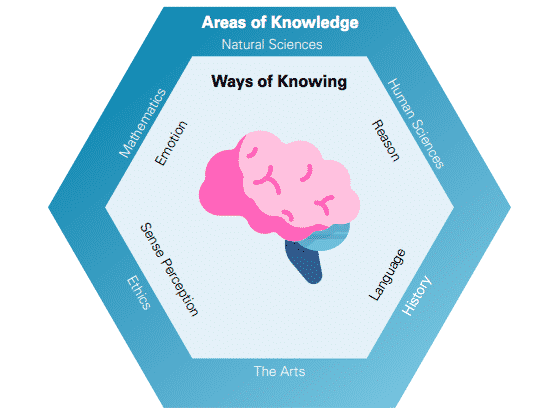
Learn how to get a top grade in IB ToK with expert tips covering Shared/Personal Knowledge, Ways of Knowing, and Areas of Knowledge. Achieve those crucial core points!

Step-by-Step IB Extended Essay Research Question Guide
EEUltimate GuideStudy SkillsDP1DP2Students

Step-by-Step IB Extended Essay Research Question Guide

Master your IB Extended Essay research question. Learn how to draft, refine for clarity and precision, and ensure examiner approval with this expert guide.

IB IA & EE Foundation Kit
IAsEEDP1DP2Students

IB IA & EE Foundation Kit

Kickstart your IB research projects with our IA & EE Foundation Kit. Learn to choose viable topics, define measurable questions, and create a stress-free plan.

Perfectly Matched Tutors

600+ handpicked tutors from across the world with the best background and experience.

Graduates

Graduates

  • Scored 40+ in the IB and 7s in the subjects they teach.

Teachers

Teachers

  • Certified educators with an average of 15 years experience.
Elite

Elite

  • Teachers with IB examiner experience or senior markers
Free IB tutoring trial

Your first hour,
on us.

1 hour of online tutoring in any subject with a 40+ IB graduate who scored a 7 in your subject.

15,000+ students
96% recommend Lanterna to friends & family

No strings attached. By filling out the form you accept our T&Cs.

Stockholm born, Globally present

We are IB experts committed to achieving your academic goals.

about us