
Graduates
- Scored 40+ in the IB and 7s in the subjects they teach.

Master IB Theory of Knowledge (TOK) with our complete guide. Learn about the curriculum, areas of knowledge, and ace your TOK exhibition and essay with structure tips and examples.
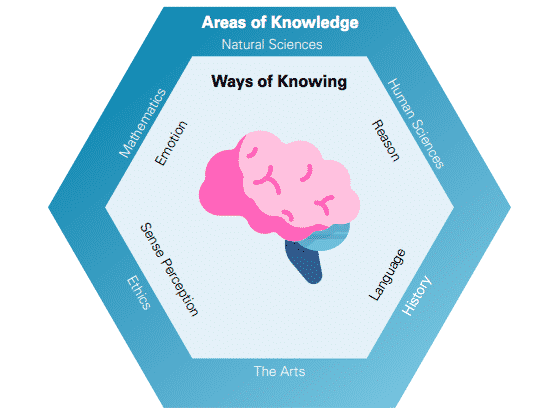
Let's be honest, Theory of Knowledge (TOK) can sound intimidating. It's the one part of the IB Diploma that doesn't feel like a normal "subject." You don't just memorize facts and formulas, you don't have to prepare for exams, there isn't a data book or lots of procedures to practice; you're asked to question the very nature of knowledge itself, and answer the famous question "How do we know what we know". TOK is all about Critical Thinking. You will question...well everything! But here's the secret: TOK isn't about having all the answers. It's about learning to ask brilliant questions.
Think of it this way: your other subjects give you a map of the world (this is a historical fact, this is a scientific law). TOK teaches you how to be a cartographer—to understand how that map was made, who made it, what its biases might be, and how it shapes your view of the world. This guide will break down the components of TOK into simple, manageable parts so you can stop being confused and start thinking like a philosopher.
The entire TOK course revolves around exploring "knowledge questions". These aren't questions about specific content (like "When was the French Revolution?") but open-ended questions about knowledge itself. They are general, not subject-specific, and use TOK vocabulary.
Your job in TOK is to explore these bigger questions, using examples from your IB subjects and your own experiences as a "knower."
The course is structured around a few key concepts that give you a framework for your exploration.
This is where you start. It's all about introspection. You're prompted to think about yourself as a thinker. What shapes your perspective? How do the communities you belong to (your family, your school, your culture) influence what you believe and know? This theme sets the stage by making you aware of your own biases and lenses through which you see the world.
These themes allow you to apply TOK thinking to specific, real-world contexts. Usually your teacher chooses the two you will discuss in class:
These themes are often topical and there will be opportunities to dig deep into the headlines of the day. For instance, in Knowledge and Technology the biases of AI and the ethics of social media and algorithims will be debated.
These are the big categories of human knowledge—essentially, your school subjects on a grander scale. You'll explore all five of these to understand what makes them different and what they have in common.
There is no final, sit-down exam for TOK. Instead, your grade is based on two key projects that showcase your thinking skills.
This is an internal assessment where you demonstrate how TOK concepts manifest in the real world. Normally you do your exhibition in the first year of TOK and it is based on the Themes you have studied. You will:
This is about showing, not just telling. You're curating a mini-exhibit to prove a point about knowledge.
This is an external assessment (it is graded by an IB examiner, but your teacher will give you feedback on your first draft) and the bigger of the two components. Usually the essay is done towards the end of the course in your second year of TOK. You will:
This is your chance to build a sophisticated, nuanced argument about the nature of knowledge.
The TOK Essay is often the most challenging part of the course. It requires a unique style of writing and a deep understanding of how to build a philosophical argument. To get a head start, you need a clear strategy from the beginning.
Ready to tackle the biggest part of your TOK grade? Check out our comprehensive guide on how to plan, structure, and write a high-scoring essay.
Read Our Ultimate TOK Essay Guide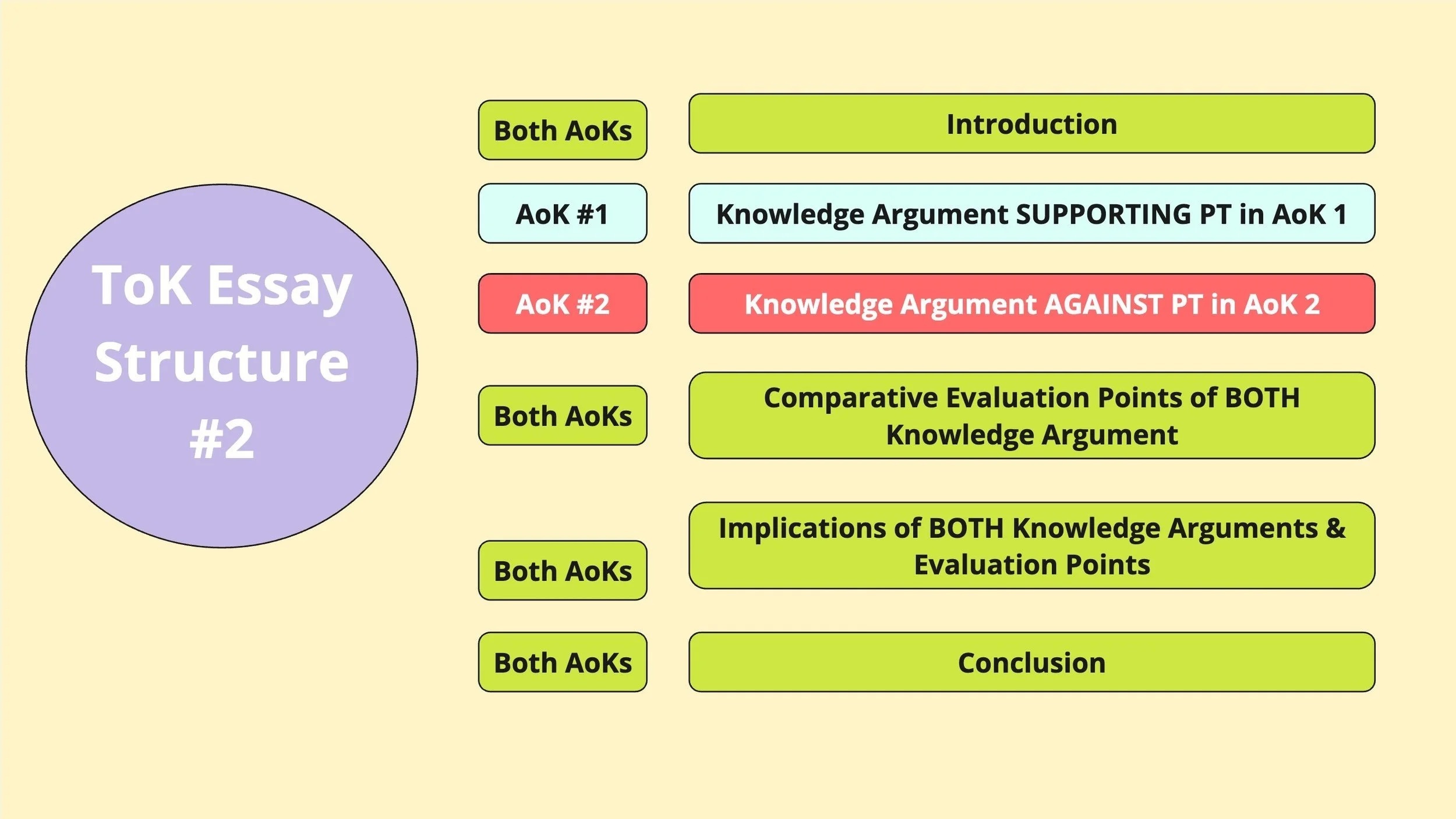
Master the IB TOK Essay structure with our complete guide. Get step-by-step outlines for your introduction, AOK paragraphs (claims/counterclaims), and conclusion to hit top markbands.

Learn how to get a top grade in IB ToK with expert tips covering Shared/Personal Knowledge, Ways of Knowing, and Areas of Knowledge. Achieve those crucial core points!
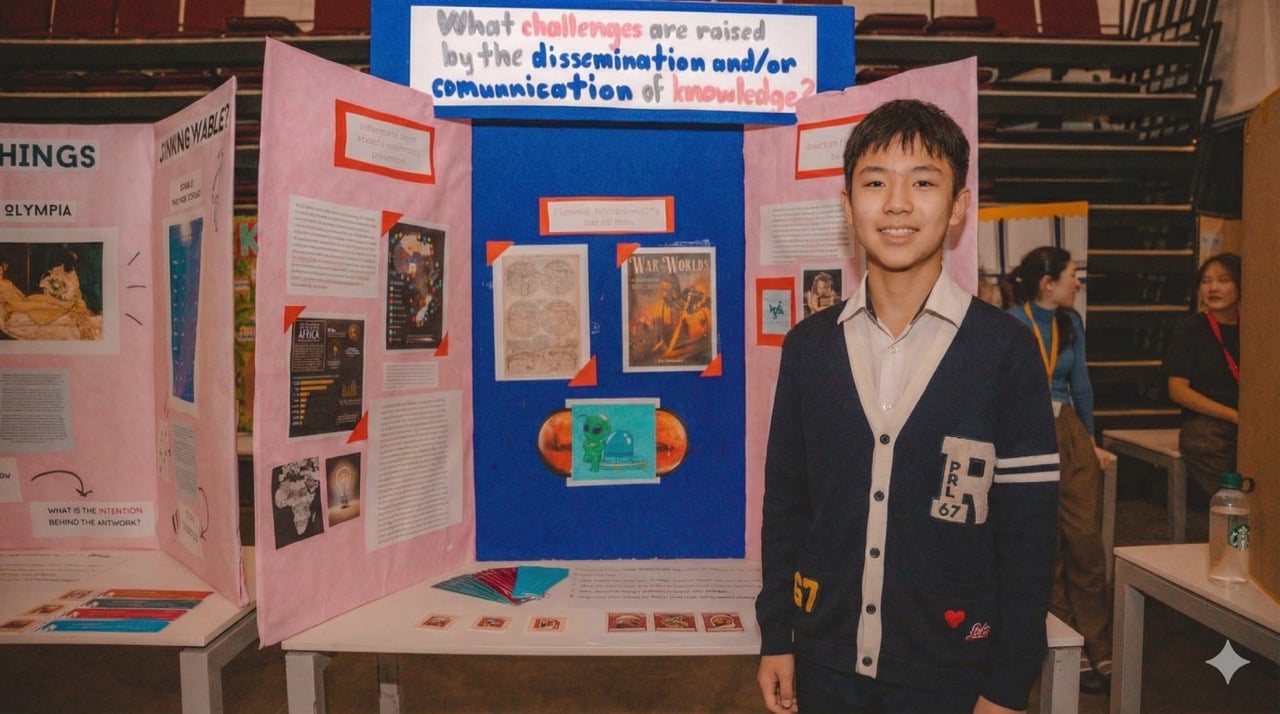
Master your TOK Exhibition! Get 35 diverse object ideas (tweet, toy, map projection) and guided questions to effectively link them to your IA prompts and core themes.

Learn how to structure your IB TOK Essay step-by-step with this expert guide. Understand how examiners think and increase your TOK essay grading score with clear format tips.
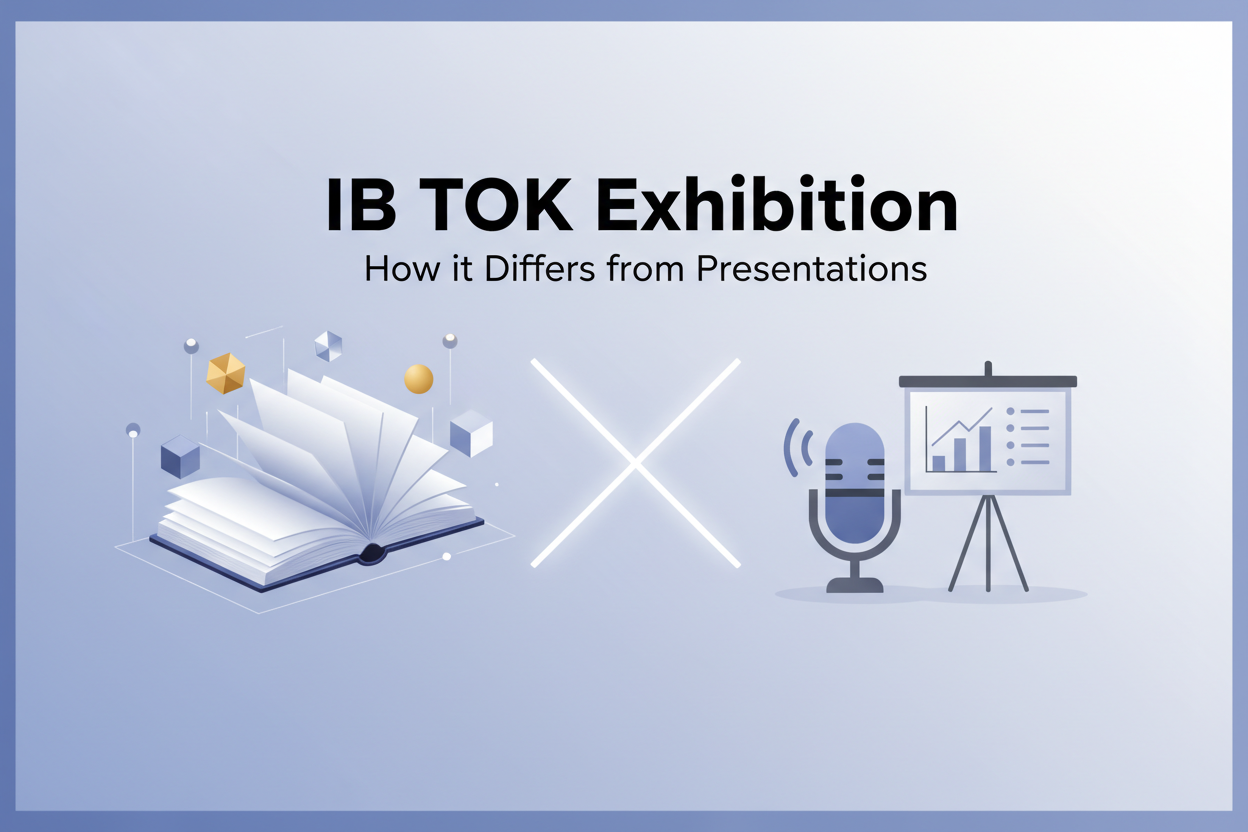
Understand the new IB TOK Exhibition. Learn how it differs from the old presentations, including objects, individual work, and the standardized assessment/grading method.
Struggling with your IB TOK Presentation? Discover 20 successful TOK Presentation Ideas with examples and expert tips to ace your internal assessment.

Master the IB TOK Essay with this complete expert guide. Learn how to structure your paper, understand grading criteria, and use critical thinking skills to achieve your diploma.
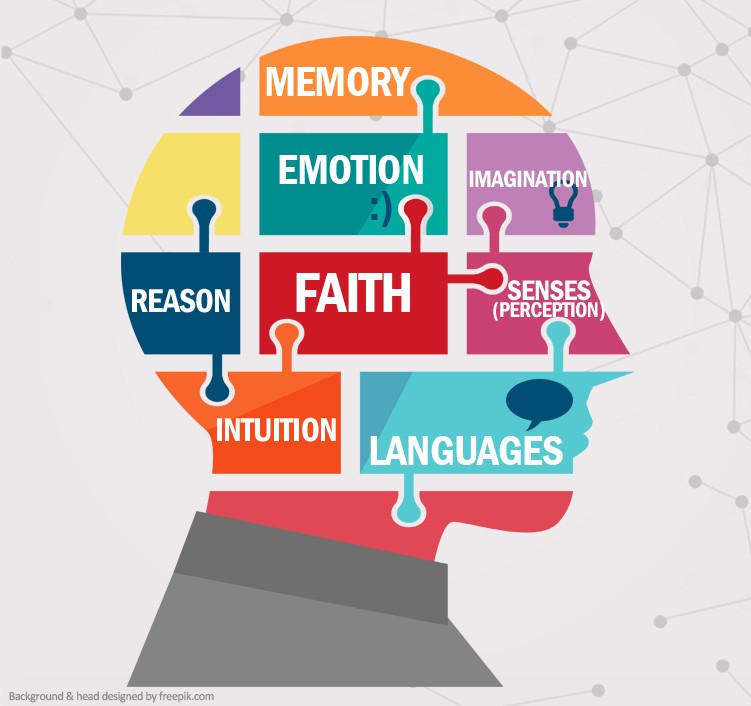
Master the TOK Essay with this exclusive webinar, hosted by an expert examiner and A-scoring graduate. Learn strategies to reach top marks.
600+ handpicked tutors from across the world with the best background and experience.

Geography shouldn't limit your potential. Lanterna provides premium online IB tutoring across the world, being partners with 250+ IB schools worldwide. Our country guides explore how the IB landscape shapes up and how our tutoring supports it perfectly.

1 hour of online tutoring in any subject with a 40+ IB graduate who scored a 7 in your subject.
No strings attached. By filling out the form you accept our T&Cs.
We are IB experts committed to achieving your academic goals.