
Graduates
- Scored 40+ in the IB and 7s in the subjects they teach.

Master your IB History IA with this ultimate guide. Get high-scoring topic ideas, structure advice, assessment criteria breakdown, and expert tips to avoid common pitfalls and achieve a 7.

At first glance, the History Internal Assessment can seem like a daunting task. It’s worth a considerable percentage of your final grade - 25% at SL, 20% at HL - and requires you to think, research, and write as a historian. However, there is good news: a well-executed IA is one of the most rewarding elements of the IB, and it's completely within your control to score highly.
This guide will break down exactly what the examiners are looking for when they assess your IA, advise you on how to craft an engaging research question, and highlight the common mistakes that you can easily avoid.
Your IA is a 2200-word historical investigation broken down into three key sections that are assessed separately. Understanding what each part demands is the first step to success.
This is where you set the stage. You need to state and contextualise a sharp, focused research question, and then conduct a detailed analysis of two key sources that you'll be using to answer it. This means a full OPVL (Origin, Purpose, Value, Limitation) analysis for each. Don't just list the features; you must explain exactly how the origin and purpose of each source affect its value and limitations in relation to your specific question.
Suggested word allocation: 500
This is the main body of your IA. It's where you answer your research question, exploring relevant perspectives drawn from a wide range of evidence. The key here is critical analysis, not just description. You must use your sources to build a coherent argument, evaluate different historical perspectives, and lead the reader to a well-supported conclusion. This section carries the most weight, so make sure it is well-organised, clear, and insightful.
Suggested word allocation: 1300
In this final section, you step back from the research question itself and reflect on the process of inquiry more broadly. What did your investigation teach you about the methods that historians use? What were the challenges you faced in finding or interpreting sources? This isn't just a summary of your experience; it's a thoughtful consideration of the nature of history itself, showing your awareness of things like bias, perspective, and the construction of historical narratives. Think ToK.
Suggested word allocation: 400
Your topic is the foundation of your entire project. A great topic makes research exciting and analysis possible. A weak one leads to boredom, frustration, and a descriptive paper that will not perform well against the assessment criteria. Here’s your checklist for crafting a solid research question:
Use these sample research questions as a launchpad to get you thinking about a suitable line of inquiry for you IA:
Many students lose marks on the same simple mistakes. Here’s how to make sure you’re not one of them.
| The Pitfall | The Lanterna Fix |
|---|---|
| A descriptive and poorly focused research question: Such as "What were the effects of the Vietnam War?" This is too broad and invites a simple, descriptive list of facts. | Frame it as a debate. Use analytical command terms and IB History concepts in your question. Formulating "To what extent..." or "How significant was..." questions forces you to take a position and argue it. |
| Superficial source analysis (OPVL): Such as simply stating a source is "biased" because the author is from a certain country or has a political view. | Connect the OPVL analysis directly to your question. Explain how the origin and purpose make the source valuable or limited for answering your specific question. How does the bias manifest in the text to potentially distort the truth? What information might be omitted? What does the source reveal that makes it essential for answering your question? |
| Confusing description with analysis: Your investigation becomes a play-by-play of events without an argument. You're telling a story of past events, not analyzing a historical inquiry. | Ensure that every paragraph argues a clear point, which is stated in the very first sentence. Start paragraphs with an assertion that supports your thesis, then use evidence from your selected sources to justify it. Ask yourself, "So what?" after presenting a piece of evidence, and clearly explain why it is relevant to your inquiry. |
| Ignoring the prescribed IA structure: Mashing all three sections together, or putting your reflection in the conclusion of the investigation. | Use the official subheadings and sections to organise your work. Clearly label each section (A: Identification and Evaluation of Sources, B: Investigation, and C: Reflection) and ensure you fulfil the relevant requirements for each. This shows the examiner you understand the task and makes it easy to award marks according to the assessment criteria. |
| Exceeding the word count: Going over the strict 2,200-word limit. Examiners are instructed to stop reading after the limit, which can cost you valuable marks. | Be a ruthless editor. Every single sentence must serve your argument. Don't waffle, avoid repetition, combine ideas, and ensure your language is precise. Remember, the bibliography and citations are not included in the word count. |
.png)
A complete guide to the IB Internal Assessment. Learn how to choose a topic, manage your timeline, and structure your IA for a top grade. Includes tips for parents.
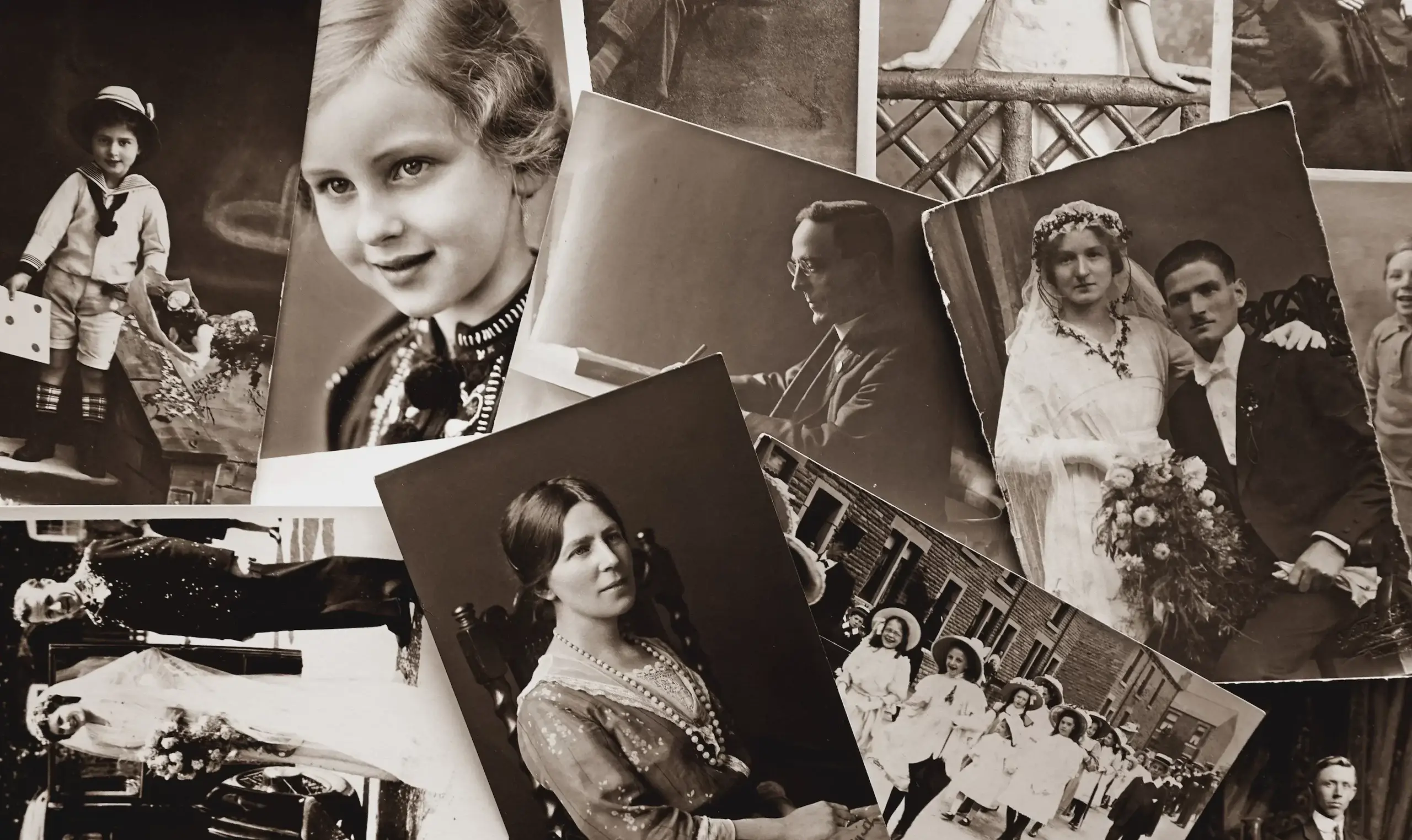
Master the IB History IA with this expert guide. Learn how to choose a question, structure your analysis, and use our recommended word counts and IA examples.

Learn how to find a good research question for your IB History IA using expert tips, clear examples, and a breakdown of the official IB criteria for top marks.
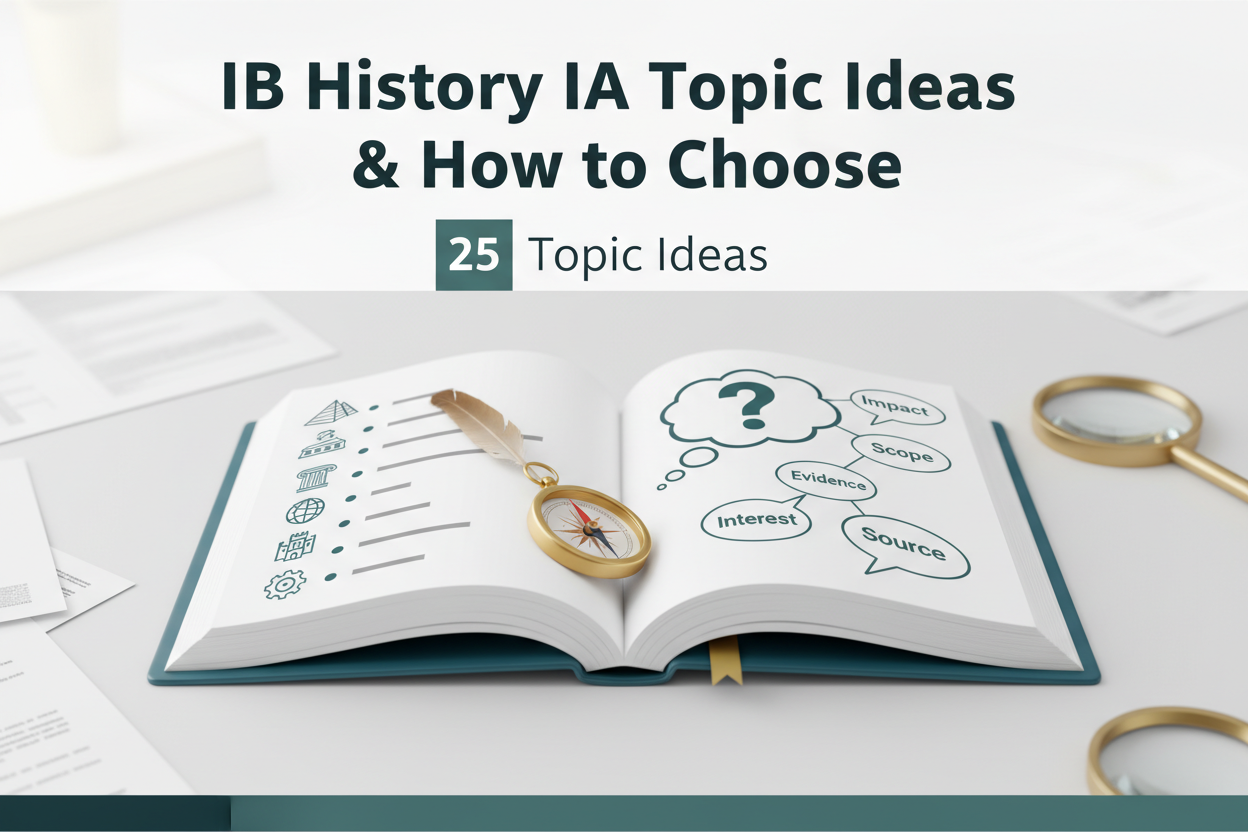
Finding a great IB History IA topic is tough. Learn how to choose from 7 official topic types, use our 12-point checklist, and review 25 high-scoring IA examples.
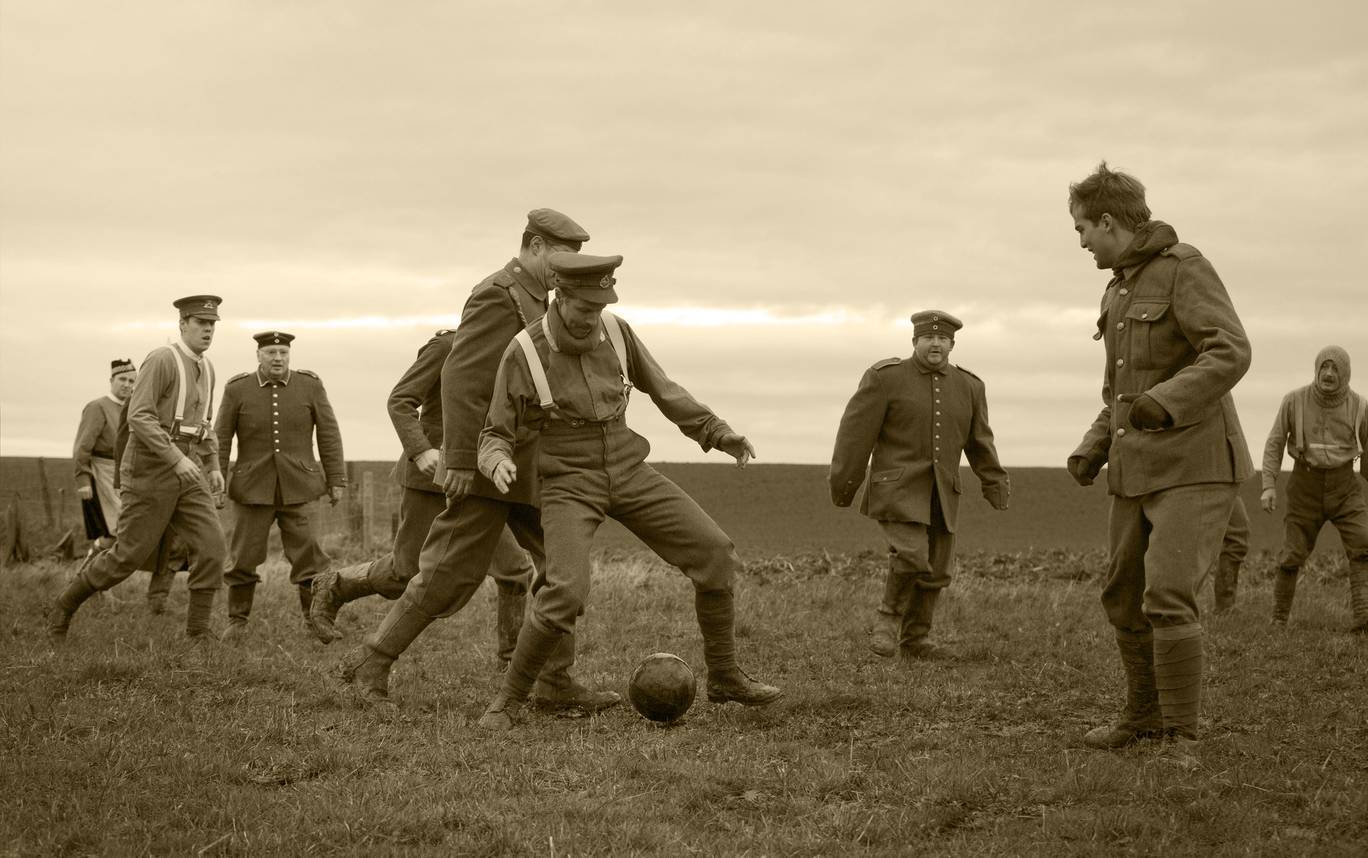
Master your IB History IA with 5 top tips from an expert tutor. Learn how to choose a strong topic, analyze sources, and structure your essay for top marks.
Master the IB Geography IA with our guide. Learn to write a sharp research question, meet all 6 assessment criteria, and use data visualization for a high-scoring report.

Struggling to start your IB IA? Learn how to plan your Internal Assessment effectively with our expert 5-point checklist for guaranteed success and better grading.

What is the Extended Essay (EE)? Get a complete overview of this mandatory 4,000-word research paper in the IB Diploma Programme core.
600+ handpicked tutors from across the world with the best background and experience.


Geography shouldn't limit your potential. Lanterna provides premium online IB tutoring across the world, being partners with 250+ IB schools worldwide. Our country guides explore how the IB landscape shapes up and how our tutoring supports it perfectly.

1 hour of online tutoring in any subject with a 40+ IB graduate who scored a 7 in your subject.
No strings attached. By filling out the form you accept our T&Cs.
We are IB experts committed to achieving your academic goals.