
Graduates
- Scored 40+ in the IB and 7s in the subjects they teach.

Master your IB exams by understanding key command terms. Our expert guide provides a complete list of definitions for terms like 'analyze', 'discuss', and 'evaluate'.

Ever felt like you knew the content inside and out, but still didn't get the marks you expected? The problem might not be your knowledge, but how you're interpreting the question. IB command terms are the key instructions embedded in every exam question. They are the words that define exactly what the examiner expects, how deep you need to go, and how to structure your answer.
Nailing these isn't just a small trick, it's one of the most high-leverage skills you can develop for your exams.
By using this guide, you will learn how to:
These are the building blocks. They ask you to pull information directly from your memory and present it clearly. Think of these as the 'what' questions. They don't require deep analysis, just accurate recall. They are the easiest marks to get if you just give the examiner what they want.
| Command Term | What It Means / What To Do |
|---|---|
| Define | Give the precise, textbook meaning of a word or concept. Keep it short and sharp. |
| Describe | Give a detailed account. Paint a picture with your words, covering the key characteristics. |
| Identify | Pick out the correct piece of information from a range of possibilities. Often a one-word answer. |
| List | Provide a series of points. No explanation or elaboration is required. |
| Outline | Give the main features or a brief summary of something. Think bullet points, but in sentence form. |
| State | Give a specific name, value, or brief answer without any explanation. |
Now we're moving beyond just remembering facts. These terms ask you to apply your knowledge to new scenarios, break down concepts, and show the relationships between them. This is where you start to show off your critical thinking skills and prove you actually understand the material, not just memorise it.
| Command Term | What It Means / What To Do |
|---|---|
| Analyze | Break a concept down into its essential parts and explain how they relate to each other to form the whole. |
| Apply | Use your knowledge in a new situation or to solve a given problem. Connect theory to a real-world example. |
| Distinguish | Make the differences between two or more concepts clear. You don't need to mention similarities. |
| Explain | Give a detailed account with reasons and causes. This is the "why" or "how" question. |
| Examine | Look at a concept or argument closely, uncovering its assumptions and underlying relationships. |
| Suggest | Propose a plausible idea, solution, or hypothesis based on relevant knowledge. |
Welcome to the high-mark questions. These command terms are your ticket to a 6 or a 7. They require you to form arguments, make judgments, and weigh up different perspectives. Your own supported opinion is often the core of your answer here. Be balanced, decisive, and always, back it up with evidence.
| Command Term | What It Means / What To Do |
|---|---|
| Compare | Focus only on the similarities between two things, referring to both throughout your answer. |
| Compare and Contrast | Discuss both the similarities and the differences, giving balanced attention to both. |
| Contrast | Focus only on the differences between two things. |
| Discuss | Offer a balanced review covering a range of arguments, factors or perspectives. Use evidence to support your points. |
| Evaluate | Make a judgment on the value or importance of something by weighing up its strengths and limitations. |
| Justify | Provide solid reasons and evidence to support an argument or conclusion. Persuade the examiner that you're right. |
| To what extent | Consider how far a statement is true or contributes to an outcome. You must present multiple viewpoints and reach a clear conclusion. |
Especially for my science, maths, and geography students, these terms are your bread and butter. They're about performing a specific, practical action. Precision is key! For "Calculate" or "Show", that means showing your working. For "Draw", that means using a pencil and a ruler.
| Command Term | What It Means / What To Do |
|---|---|
| Annotate | Add brief notes to a diagram or graph to provide explanation. |
| Calculate | Find a numerical answer. You must show your working. |
| Construct | Create a diagram or graph. |
| Determine | Obtain the only possible answer. |
| Draw | Represent with a labeled, accurate diagram or graph. (Use a pencil!) |
| Label | Add names or titles to a diagram. |
| Measure | Find a value for a quantity using an instrument. |
| Plot | Mark points on a graph. |

Mastering IB Exam Command Terms is key to high marks. Understand how examiners think with expert revision tips and examples for "Compare," "Describe," "Explain," and "Evaluate."
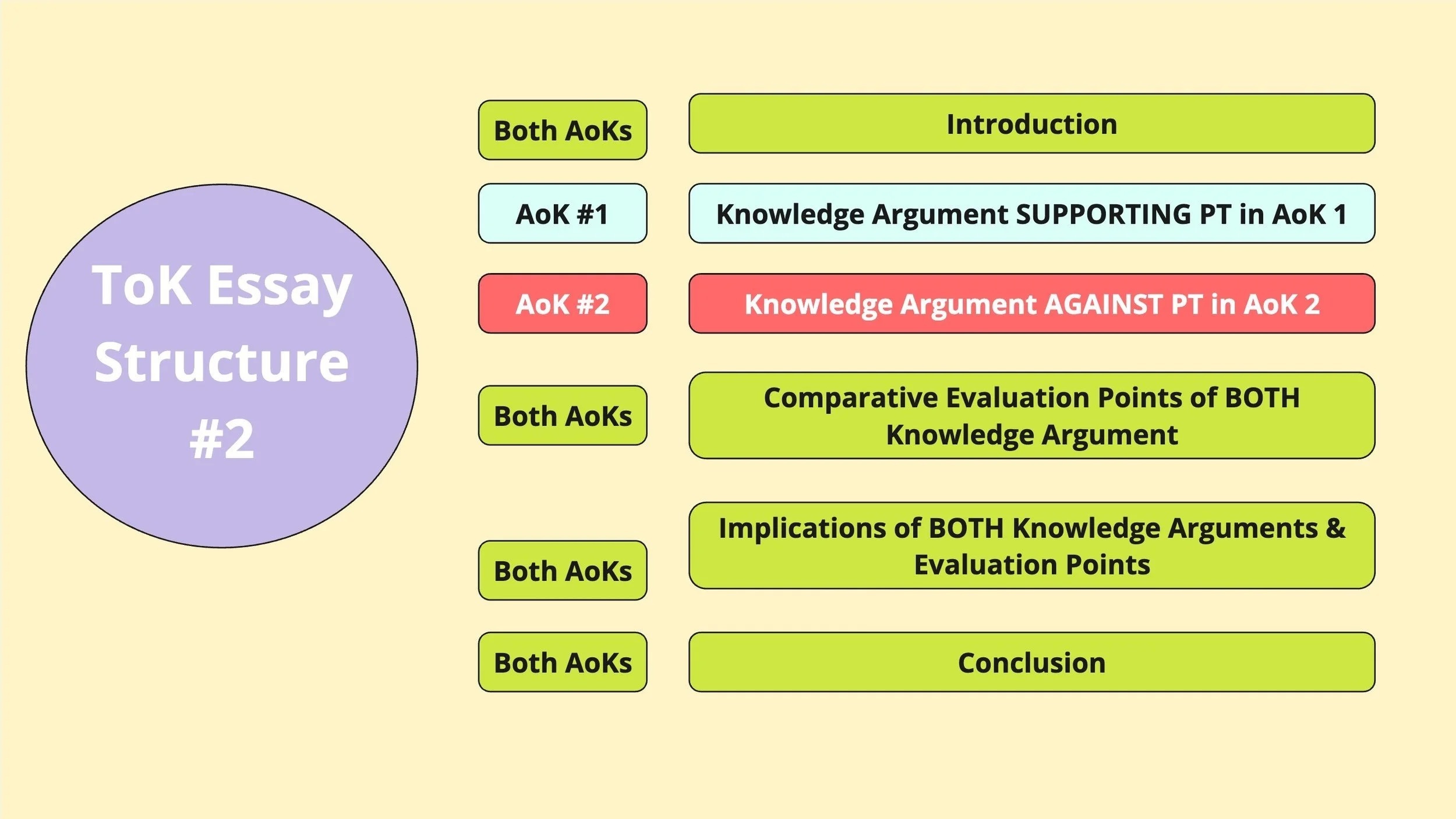
Master the IB TOK Essay structure with our complete guide. Get step-by-step outlines for your introduction, AOK paragraphs (claims/counterclaims), and conclusion to hit top markbands.
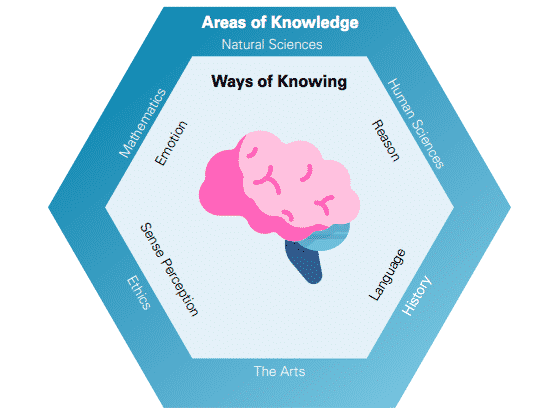
Master IB Theory of Knowledge (TOK) with our complete guide. Learn about the curriculum, areas of knowledge, and ace your TOK exhibition and essay with structure tips and examples.

What is the Extended Essay (EE)? Get a complete overview of this mandatory 4,000-word research paper in the IB Diploma Programme core.
.png)
A complete guide to the IB Internal Assessment. Learn how to choose a topic, manage your timeline, and structure your IA for a top grade. Includes tips for parents.

Master your IB History IA with this ultimate guide. Get high-scoring topic ideas, structure advice, assessment criteria breakdown, and expert tips to avoid common pitfalls and achieve a 7.
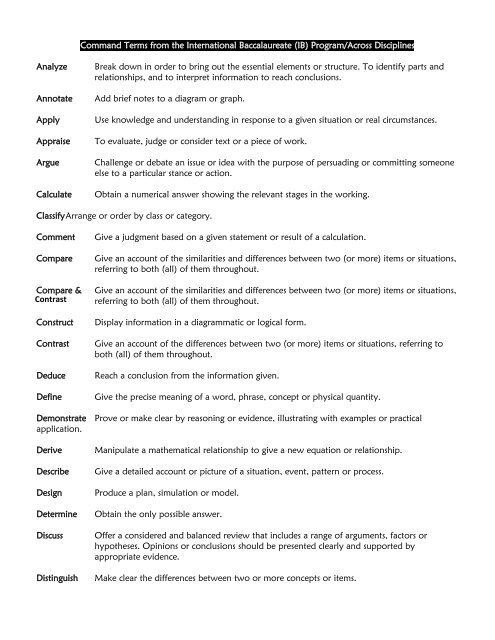
Master IB jargon fast! This cheat sheet translates essential IB terms and acronyms (HL, SL, EE, TOK, CAS, ATL) to quickly boost your confidence.

Mastering IB argumentative essays is key to top grades. Learn expert strategies for strong evidence, logical premises, and critical self-evaluation in your IB IAs and TOK Essay.
600+ handpicked tutors from across the world with the best background and experience.


Geography shouldn't limit your potential. Lanterna provides premium online IB tutoring across the world, being partners with 250+ IB schools worldwide. Our country guides explore how the IB landscape shapes up and how our tutoring supports it perfectly.

1 hour of online tutoring in any subject with a 40+ IB graduate who scored a 7 in your subject.
No strings attached. By filling out the form you accept our T&Cs.
We are IB experts committed to achieving your academic goals.