IB CAS Project Guide: Unlock Your Potential, Master Your Reflections
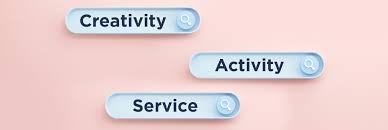
As an IB graduate and expert tutor, I've seen countless students navigate the rewarding, yet sometimes daunting, journey of Creativity, Activity, Service (CAS). The CAS Project, in particular, is a cornerstone of the Diploma Programme, offering a unique opportunity for profound personal growth. It's more than just a requirement; it's your chance to lead, innovate, and truly embody the IB learner profile.
This guide distills years of experience into actionable advice, designed to help you not only meet but exceed the expectations for your CAS Project. We'll demystify the process, spark your imagination with ideas, and equip you with the tools to craft reflections that truly showcase your development.
Guide Outline & Objectives
This comprehensive guide is designed to empower you by providing a clear roadmap to CAS Project success.
By using this guide, you will be able to:
- Understand CAS Project Fundamentals: Grasp the core requirements, stages, and learning outcomes essential for a successful project.
- Generate Innovative Project Ideas: Discover over 20 diverse and impactful project ideas tailored to spark your unique interests.
- Master Evidence Collection: Learn essential tips for gathering compelling evidence that effectively documents your CAS journey.
- Craft Powerful Reflections: Utilise "fill-in-the-blank" templates and strategic prompts to write insightful reflections that demonstrate genuine personal growth.
- Navigate the CAS Process with Confidence: Develop a proactive approach to planning, executing, and documenting your CAS Project, reducing stress and maximizing learning.
Demystifying the IB CAS Project
The CAS Project is a collaborative, student-initiated undertaking that challenges you to apply your skills in a real-world context. It’s a significant part of your CAS programme, requiring sustained effort and thoughtful engagement.
Key Requirements at a Glance:
- Duration: Your project must last for at least one month, from planning to completion.
- Collaboration: It must involve working with others, where every member has a meaningful role.
- CAS Strands: Your project can focus on one strand (Creativity, Activity, or Service), but the best ones often integrate two or three.
- The 5 CAS Stages: You must show engagement with all five stages of the process.
- Investigation: Identifying your interests, skills, and a community need.
- Preparation: Creating a detailed action plan, assigning roles, and setting a timeline.
- Action: Executing your project plan.
- Reflection: Thinking about your progress and what you're learning throughout the project.
- Demonstration: Sharing your experience and the impact of your project in your CAS Portfolio.
The 7 CAS Learning Outcomes: Your Compass for Growth
Every CAS experience should help you demonstrate these seven learning outcomes. You must provide evidence that you have achieved all seven at least once throughout your entire CAS programme. Think of them as the goals for your personal development.
- Identify own strengths and develop areas for growth: Know what you're good at and what you need to work on.
- Demonstrate that challenges have been undertaken, developing new skills in the process: Step out of your comfort zone.
- Demonstrate how to initiate and plan a CAS experience: Take the lead and organize your project from the start.
- Show commitment to and perseverance in CAS experiences: Stick with it, especially when things get tough.
- Demonstrate the skills and recognize the benefits of working collaboratively: Be a team player.
- Demonstrate engagement with issues of global significance: Connect your local project to a bigger picture.
- Recognize and consider the ethics of choices and actions: Think about the impact of your decisions on others.
20+ Creative CAS Project Ideas to Spark Your Imagination
The best projects come from your passions. Here are some ideas to get you started:
Creativity-Focused Projects
- Community Mural Project: Collaborate with local artists or community members to design and paint a mural in a public space.
- Student-Led Arts Festival: Organize a festival showcasing student talents in music, drama, and visual arts, with proceeds going to a charity.
- Digital Storytelling Workshop: Teach younger students or elderly community members how to create short films or digital stories.
- Podcast/Blog Series: Launch a podcast or blog exploring local issues or student life, featuring interviews and original content.
- Upcycled Fashion Show: Design and create clothing from recycled materials, culminating in a fashion show to raise awareness about sustainability.
- Original Play/Musical Production: Write, direct, and perform an original play that addresses a social issue.
- Photography Exhibition: Curate an exhibition of student photography to raise awareness about a social issue or celebrate local culture.
Activity-Focused Projects
- Charity Sports Tournament: Plan and run a sports tournament (e.g., dodgeball, basketball) to raise funds for a local charity.
- Community Fitness Challenge: Develop and lead a month-long fitness program for students or community members.
- Outdoor Adventure Club: Organize a series of hiking, climbing, or cycling trips, focusing on skill development and teamwork.
- Self-Defense Workshop: Teach basic self-defense classes to peers, focusing on safety and empowerment.
- Dance/Yoga for Wellness: Lead a series of dance fitness or mindfulness yoga classes to promote physical and mental well-being.
- School Garden Initiative: Plan and maintain a school vegetable garden, using the produce for healthy cooking workshops.
Service-Focused Projects
- Peer Tutoring/Mentorship Program: Establish a structured program where older students tutor or mentor younger students.
- Environmental Awareness Campaign: Organize a campaign to raise awareness about local environmental issues, combined with regular community clean-ups.
- Digital Skills for Seniors: Conduct workshops to teach elderly community members essential digital literacy skills.
- Refugee Support & Language Exchange: Partner with a local refugee center to offer language lessons or support services.
- Mental Health Advocacy Initiative: Create a campaign to raise awareness about mental health issues among students.
- Animal Welfare Advocacy: Volunteer at a local animal shelter and organize fundraising or awareness campaigns.
- Community Resource Guide: Research and compile a comprehensive guide to local community resources for those in need.
Combined Projects (C+A+S)
- Cultural Exchange Festival: Organize a festival celebrating diverse cultures, featuring traditional performances (Creativity), cultural games (Activity), and fundraising for a global charity (Service).
- "Green" Upcycling Workshop & Sale: Host workshops where participants create art from recycled materials (Creativity), promoting sustainable practices (Service).
Essential Evidence Tips: Documenting Your Journey
Your CAS Portfolio is where you showcase your experiences. Strong evidence tells a story of your growth.
- Variety is Key: Include a mix of visual, written, and creative evidence like photos, videos, planning documents, meeting minutes, emails, and final products.
- Focus on the Process: Document the journey—the challenges, adaptations, and learning moments—not just the perfect final outcome.
- Contextualise Your Evidence: Always add a brief explanation. What does this photo show? What was the purpose of this email?
- Update Regularly: Don't leave it all to the last minute. Add evidence and reflections as you go.
- Include Supervisor Feedback: Ask your supervisor for a brief comment to validate your contributions.
Mastering Your CAS Reflections: The Art of Insight
Reflections are the heart of CAS. This is where you connect your experiences to your personal growth and the learning outcomes. Go beyond just describing what you did; explain what you learned.
The Lanterna Tip: The best reflections explicitly mention the learning outcomes. When writing, ask yourself: "Which of the 7 learning outcomes does this story show?" This simple question will elevate your reflection from a description to an analysis of your growth.
"Fill-in-the-Blank" Reflection Templates & Prompts
Use these templates as a starting point to structure your thoughts at different stages of your project.
1. Initial Reflection (Investigation & Preparation)
- My Project Idea is: (Briefly describe your project).
- My Motivation: I chose this project because I am passionate about ______________ and hope to achieve ______________.
- Skills to Develop (LO1 & LO2): I aim to use my strengths in ______________ (e.g., leadership, creativity) and develop my skills in ______________ (e.g., public speaking, problem-solving). I'm hoping to learn the new skill of ______________.
- Planning & Initiation (LO3): Our initial plan involves ______________ and our first steps are to ______________.
- Collaboration (LO5): I will be working with ______________ and my role will be ______________. I hope to learn about effective teamwork by ______________.
2. Ongoing Reflection (During the Action Stage)
- What Happened: This week, we ______________ (describe specific activities).
- Feelings & Challenges: I felt ______________ (e.g., excited, frustrated) when ______________. A significant challenge we faced was ______________.
- Perseverance (LO4): To overcome this, I/we ______________ (describe actions taken). This taught me that ______________ is crucial for success.
- New Skills / Strengths (LO1 & LO2): I realised I have a new strength in ______________ when I ______________.
- Ethical Considerations (LO7): We had to consider the ethics of ______________ when ______________. This made me think about ______________.
3. Final Reflection (Demonstration)
- Overall Experience: Reflecting on the entire project, the most memorable aspect was ______________.
- Personal Growth (LO1 & LO2): I can now confidently say I have improved my ability in ______________. The biggest challenge I faced was ______________, and I learned to ______________ (demonstrate new skills/resilience).
- Collaboration Lessons (LO5): Through working with others, I learned the value of ______________ and how to effectively ______________.
- Global Significance (LO6): This project connected to the global issue of ______________ by ______________ (explain the link).
- Future Impact: This experience will influence my future choices by ______________. If I were to do this project again, I would ______________.
Final Thoughts from a Lanterna Expert
The IB CAS Project is a unique opportunity to step beyond the classroom and make a tangible difference. Don't view it as a hurdle, but as a chance to explore your passions, develop new skills, and contribute meaningfully to your community. Embrace the challenges, document your journey diligently, and reflect honestly on your experiences.
At Lanterna, our tutors are all IB graduates who have been through this process. We can help you navigate every aspect of your CAS journey, ensuring your project is impactful and your reflections truly shine. With the right approach, your CAS Project can become one of the most rewarding experiences of your IB Diploma.