
Graduates
- Scored 40+ in the IB and 7s in the subjects they teach.

IB Myths vs. Facts for Parents: Address misconceptions like "IB will overwhelm my child" and discover how consistent work leads to success and a positive mindset.

It is one of the most common concerns we hear from parents: "Is the IB Diploma Programme going to overwhelm my child?" The programme's reputation for academic rigour and workload is well-deserved, but the idea that it inevitably leads to burnout is something of a myth. Tackled properly, the IB is designed to build resilience, not break it.
This guide is here to separate fact from fiction. We’ll tackle the biggest myths head-on and give you a practical playbook to support your child, helping them build consistent work habits, foster a positive mindset, and truly thrive in the IB Diploma.
Let's clear the air. Many anxieties about the IB are based on hearsay and misconceptions. Here are the facts behind the most common myths.
The Fact: While challenging, the IB is structured to develop resilience and time management, not just academic knowledge. The curriculum itself, with CAS (see below) an essential component, encourages reflection and well-being. Many IB schools have robust support systems, like counseling and mindfulness workshops, to equip students with coping mechanisms for academic pressure. The goal is to challenge students, not to overwhelm them.
The Fact: Success in the IB comes from dedication, organisation, and a willingness to learn—not just innate genius. The programme is designed to be inclusive and supports a wide range of learners. A consistent work ethic will always outperform last-minute cramming from a "gifted" student.
The Fact: Balance is a mandatory part of the IB Diploma. The Creativity, Activity, Service (CAS) component is a core requirement, ensuring students step away from their books to develop leadership, empathy, and personal skills. Effective time management, a key skill learned in the IB, allows students to balance academics with sports, hobbies, and friends.
Knowing the facts is the first step. The next is taking action. Your support at home is one of the most important factors in your child's success and well-being. Here’s how you can make a tangible difference.
The IB is a marathon, not a sprint, so consistency beats cramming every time. The key is to help your child manage their workload and time effectively without constant nagging. Here’s your toolkit:
The IB challenges students to think critically and push their boundaries. A growth mindset—the belief that abilities can be developed through persistence—is essential. Here's how to nurture it:
The IB Diploma Programme is rigorous, but it is also an incredible preparation for university and beyond. It teaches students how to think, not just what to think. By debunking common myths and actively fostering good work habits and a resilient mindset at home, you can transform the IB from a source of stress into a period of immense growth and achievement for your child.

Debunked: The truth about common IB Diploma myths ("IB is impossible," "no social life"). Get factual reassurance and reduce anxiety with this free guide from IB 7 grads.
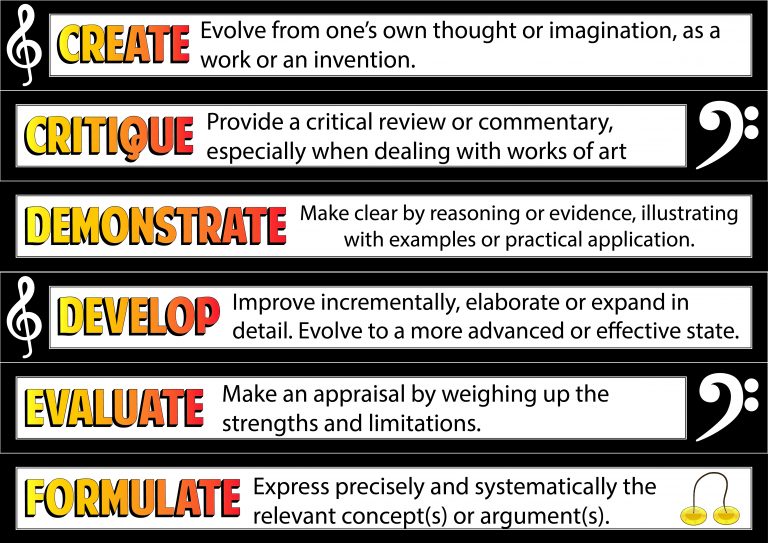
IB Jargon Demystified for Parents: Translate TOK, HL, SL, IA, and Predicted Grades to easily understand school communications.

IB parents: Navigate college applications with this guide. Get expert tips on deadlines and proofreading while supporting your IB student's ownership of the process.
.png)
Master DP2 with this free Parent's Checklist and Consolidation Guide. Get expert tips for parental support, plus student planners, IA trackers, and revision tools for the final IB year.

IB Exam Logistics: Essential Guide for Parents (Schedules, Rules, Equipment). Help your child's exam days go smoothly with expert tips.

Worried about IB academic pressure? Our expert guide gives parents communication strategies to support their child, manage stress, and promote lasting well-being.
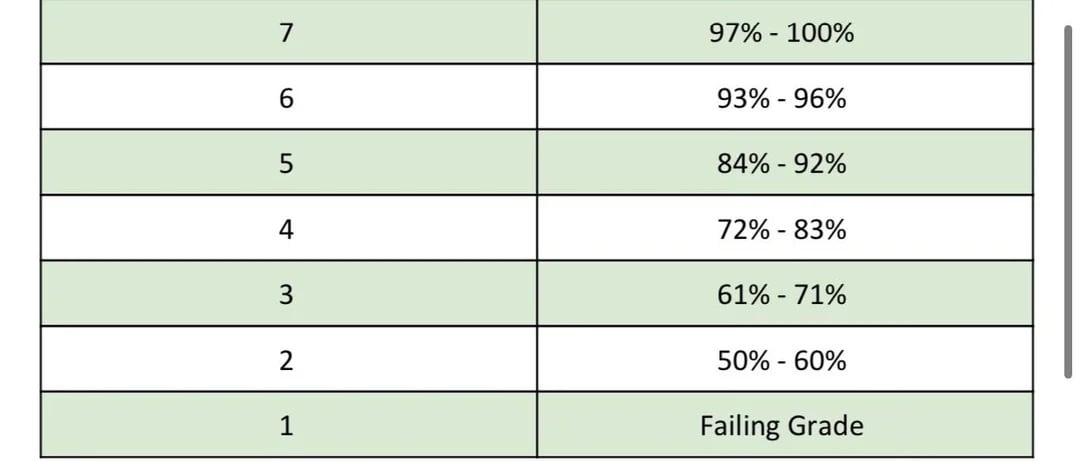
IB Grades Explained: A parent guide to interpreting the 1-7 scale and understanding teacher feedback for student growth and improvement.
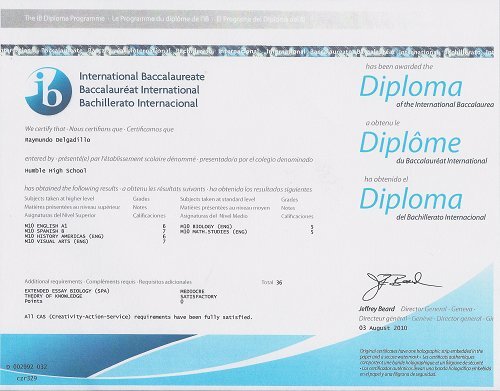
IB Results Explained for Parents: Free guide by 7/7 grads on interpreting your child's July scores (points, pass conditions) and university implications.
600+ handpicked tutors from across the world with the best background and experience.


Geography shouldn't limit your potential. Lanterna provides premium online IB tutoring across the world, being partners with 250+ IB schools worldwide. Our country guides explore how the IB landscape shapes up and how our tutoring supports it perfectly.

1 hour of online tutoring in any subject with a 40+ IB graduate who scored a 7 in your subject.
No strings attached. By filling out the form you accept our T&Cs.
We are IB experts committed to achieving your academic goals.