Lanterna Education | Online IB Tutoring
Pre-DPDP1StudentsParentsUniversityMocks & Predicted GradesStress & BurnoutUltimate Guide

IB Gap Year Guide

Considering a Gap Year after the IB? Our free guide for IB grads discusses the pros, cons, and ideas (like internships or language learning) that strengthen your next university application cycle.

Author
Huaijin (Rose) Xu
January 29, 20266 min read
Banner
html

Gap Year After IB: The Strategic Breakdown

Congratulations, you’ve survived the IB! The late-night study sessions, the TOK presentations, the EE deadline... it's a marathon. Now, the big question looms: jump straight into university or take a gap year? Many students feel burnt out and a break sounds amazing, but you're worried about falling behind. Let's be clear: a gap year isn't about "falling behind". It’s a strategic choice that, if planned well, can put you miles ahead.

This guide will help you weigh the pros and cons, figure out what a productive year could look like for you, and understand exactly how it impacts your university applications.

The Great Debate: Weighing the Pros and Cons

Before you decide, you need a balanced view. A gap year can be a game-changer for some and a momentum-killer for others. Here’s the breakdown:

✅ The Upside: Why a Gap Year Could Be Your Best Move

  • Beat the Burnout: The IB is intense. A year off can be a much-needed mental reset, ensuring you start your degree with energy and genuine motivation, not running on fumes.
  • Gain Real-World Clarity: Not 100% sure about your university course or major? A gap year is your chance to test the waters. An internship in a field you're considering can either confirm your passion or save you from a three-year or four-year degree you'd hate.
  • Strengthen Your University Application: This is a big one. You can apply with your final IB scores instead of predicted grades. If you outperform your predictions, this can open doors to more selective universities that might have seemed out of reach.
  • Develop "Soft Skills": University admissions teams love to see maturity, resilience, and adaptability. A year spent working, volunteering abroad, or managing a personal project builds these skills in a way the classroom can't.

❌ The Downside: Potential Pitfalls to Avoid

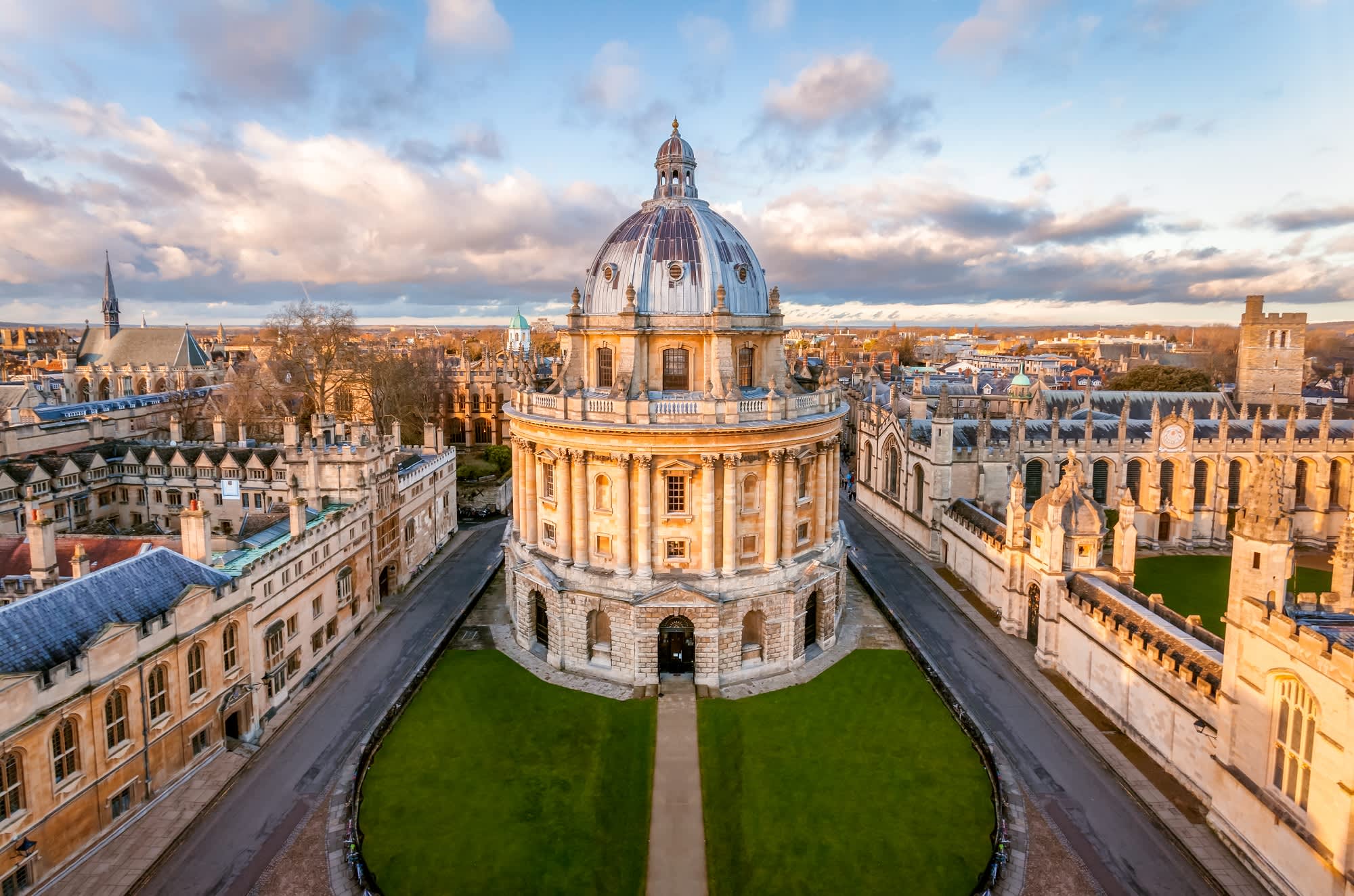
  • Perishable Skills Warning: For subjects like Mathematics or Physics, some skills are like muscles – they weaken without regular use. Some top universities (like Oxford for Maths) even recommend against a gap year for this reason.
  • Loss of Academic Momentum: It can be tough to get back into the rhythm of structured study after a year away. Good habits can fade if you're not careful.
  • Financial Strain: Travel and unpaid internships can be expensive. You need to budget carefully to make sure your plans are financially viable.
  • The "Unstructured Void": Without a clear plan, a gap year can turn into 12 months of procrastination. It's crucial to have goals to avoid wasting this valuable time.
The Lanterna Tip: An unplanned gap year is just a long holiday. A planned gap year is a strategic investment in your future. The difference is having clear, written-down goals before you finish your IB exams.

Making It Count: Ideas for a Killer Gap Year

A productive gap year is all about purposeful activity. It doesn't have to be a single, year-long internship. You can mix and match to build a year that's perfect for you. Here are some ideas:

  • Work Experience & Internships: The most direct way to explore a career path. You'll gain professional skills, build your CV, and save money for university. 
  • Tutoring: Reinforce your own IB knowledge by tutoring younger students. It’s a great way to keep your academic skills sharp while earning money and developing communication skills.
  • Volunteering: Contribute to a cause you're passionate about, either at home or abroad. It shows character and commitment – qualities that universities value highly.
  • Travel & Cultural Immersion: Go beyond a simple holiday. Consider a language immersion program or a long-term backpacking trip that forces you out of your comfort zone. This builds independence and a global perspective.
  • Skill Development: Always wanted to learn to code, speak a new language, get a scuba diving license, or master public speaking? This is your chance. Online courses or short-term programs can add unique skills to your profile.

Navigating University Applications & Your Gap Year

This is where the logistics get important. How does a gap year actually work with university applications? You generally have two paths.

Scenario 1: Applying During Your Gap Year

This is often the most strategic option. You finish your IB, get your final results in July, and then spend the autumn of your gap year completing your university applications.

The Advantage: You apply with a full deck of cards. The universities see your actual, confirmed IB score. If your score is 3-4 points higher than what you were predicted, this can be a massive advantage, especially for competitive courses. You're no longer a maybe; you're a known quantity.

Scenario 2: Applying in DP2 and Deferring Your Entry

In this scenario, you apply alongside your classmates during DP2 based on predicted grades. Once you receive an offer, you formally request to defer your start date by one year.

The Process: You must contact the university's admissions office directly. Most are happy to grant a deferral, but you'll need to write a letter explaining your plans for the year. They want to see that you'll be doing something productive, not just sitting on the sofa! Be aware that this can sometimes affect scholarships or specific accommodation options, so always ask.

A Note on Entrance Exams: If your chosen course requires an admissions test (like the MAT for Maths or LNAT for Law), be aware that scores are typically only valid for the application cycle in which you take them. If you apply during your gap year, you will almost certainly have to retake these exams.

Related to IB Gap Year Guide

Explore 3 Alternative Paths After IB
UniversityAbout IBUltimate GuideDP2StudentsParents

Explore 3 Alternative Paths After IB

Considering alternatives after IB? Explore 3 non-traditional paths: work experience, travel, or online courses. Expert advice for your future beyond the IB diploma.

IB Results Day Guide
ExamsUniversityMocksDP1DP2Pre-DPParents

IB Results Day Guide

IB Results Day Guide for Parents: Prepare for July 6th with tips for celebrations, handling a "near miss," calling universities, and using the remark strategy.

IB University Application Checklist
UniversityUltimate GuideEECASDP1DP2Students...

IB University Application Checklist

Get your free IB University Application Checklist: a timeline of key tasks (research, personal statements, recommendations) aligned with your IB schedule.

Killer University Motivation Letters
UniversityEETOKCASDP2Students

Killer University Motivation Letters

Master your university application with "Before vs. After" motivation letter examples. Learn what admissions officers want to see and how to showcase your IB experience.

How to spend your IB post-exam summer
ExamsUniversityWellnessHolidaysStudents

How to spend your IB post-exam summer

Learn how to best spend your IB post-exam summer. Get expert advice on de-stressing, earning money, future planning, and considering a gap year after exams.

How to Ace Your IB UCAS Application: Step-by-Step Guide
UniversityMocksUltimate GuideIAsDP2Students

How to Ace Your IB UCAS Application: Step-by-Step Guide

Learn how to ace your IB UCAS Application with this expert, step-by-step guide. Master your Personal Statement and ensure your predicted IB grades match your school's reference.

Oxbridge vs. Ivy League: Ultimate IB Student Comparison
UniversityUltimate GuideCASEEDP1DP2Pre-DP...

Oxbridge vs. Ivy League: Ultimate IB Student Comparison

Oxbridge vs. Ivy League for IB students: Compare application styles—Oxford/Cambridge's academic focus vs. US Ivies' holistic approach (CAS, leadership).

What's a 'Good' Score for Your Dream University?
UniversityHL vs SLEETOKDP1DP2Students...

What's a 'Good' Score for Your Dream University?

Decoding IB Scores: What's a 'Good' Score for Your Dream University? Find score ranges from minimum pass to competitive entry requirements for Oxford, Cambridge, and Ivy League.

Perfectly Matched Tutors

600+ handpicked tutors from across the world with the best background and experience.

Graduates

Graduates

  • Scored 40+ in the IB and 7s in the subjects they teach.

Teachers

Teachers

  • Certified educators with an average of 15 years experience.
Elite

Elite

  • Teachers with IB examiner experience or senior markers
Free IB tutoring trial

Your first hour,
on us.

1 hour of online tutoring in any subject with a 40+ IB graduate who scored a 7 in your subject.

15,000+ students
96% recommend Lanterna to friends & family

No strings attached. By filling out the form you accept our T&Cs.

Stockholm born, Globally present

We are IB experts committed to achieving your academic goals.

about us