
Graduates
- Scored 40+ in the IB and 7s in the subjects they teach.

IB Results Day Guide for Parents: Prepare for July 6th with tips for celebrations, handling a "near miss," calling universities, and using the remark strategy.

Hey there! IB Results Day is a huge milestone, the finish line after two years of intense work. For you and your child, it can be a day of celebration, relief, and sometimes, quick decisions. The key is to be prepared for any outcome. This guide is your game plan, helping you support your teenager effectively, no matter what the numbers on the screen say.
This guide will help you:
A little preparation goes a long way in keeping the day calm and focused. Before July 6th, sit down with your child and make sure you have everything ready. Think of it as setting up your command centre.
Once the results are in, you'll likely fall into one of three situations. Here’s how to handle each one.
They did it! They met their offer, and the hard work paid off. This is a moment for genuine celebration.
Okay, so the results are a few points shy of a university offer. Don't panic. This is where you shift from emotional support to strategic action. IB students have a huge advantage as their results come out before A-Levels, giving them a head start.
If your child has narrowly missed their grades, a polite, well-prepared phone call can sometimes make all the difference. The university wants to speak to the student, not the parent, but you can help them prepare.
If a specific grade seems genuinely wrong and could be the difference between meeting an offer or not, you can request a remark. However, this is a decision that requires careful thought.
Key Facts About the EUR Process:

IB Results Day is here. Learn your next steps for university offers and requirements, whether you met your IB scores or need to consider remarks or Clearing.
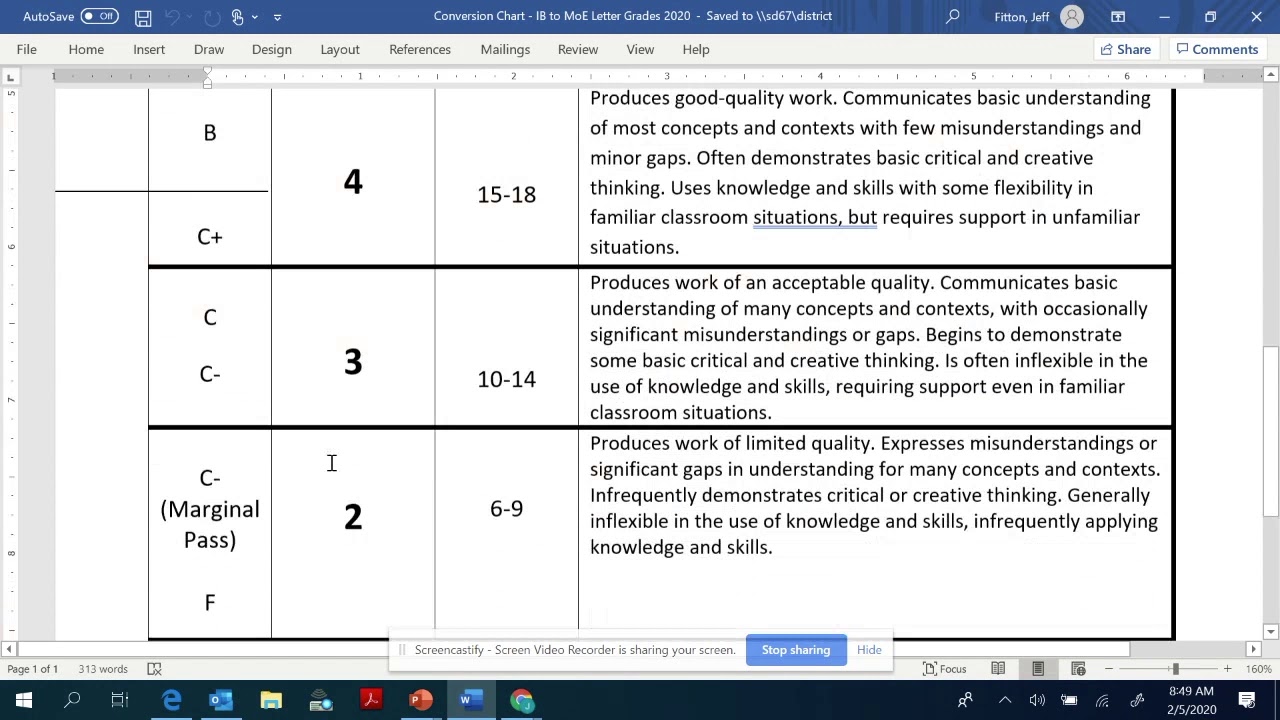
IB Report Card Guide for Parents: Decode "Predicted Grade," "ATL Skills," and the 1-7 scale. Learn why a '5' is a strong IB score and understand your child's progress.

What IB Score Do You Need for Top Universities? See the breakdown: 24 (Pass), 30-34 (Good), 38+ (Elite). Set realistic goals for top-tier universities.

Failed the IB Diploma? This solutions-oriented guide explains Course Certificates, November retake sessions, and alternative university pathways (Foundation years). Find out what to do next.

Need to improve your IB score? Learn how IB Exam Retakes & Remarks work, including deadlines, registration, IA guidance, and university applications.
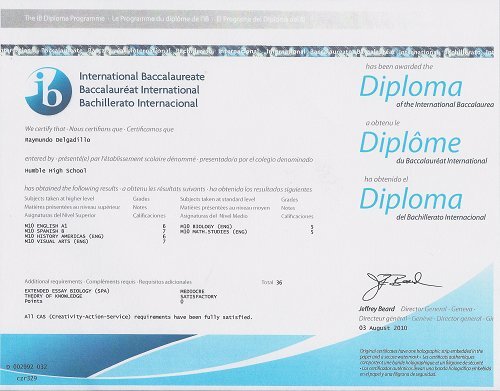
IB Results Explained for Parents: Free guide by 7/7 grads on interpreting your child's July scores (points, pass conditions) and university implications.
.png)
Learn how IB predicted grades work and why they're vital for university offers. Understand the role of mock exams and IAs, and discover what steps you can take.
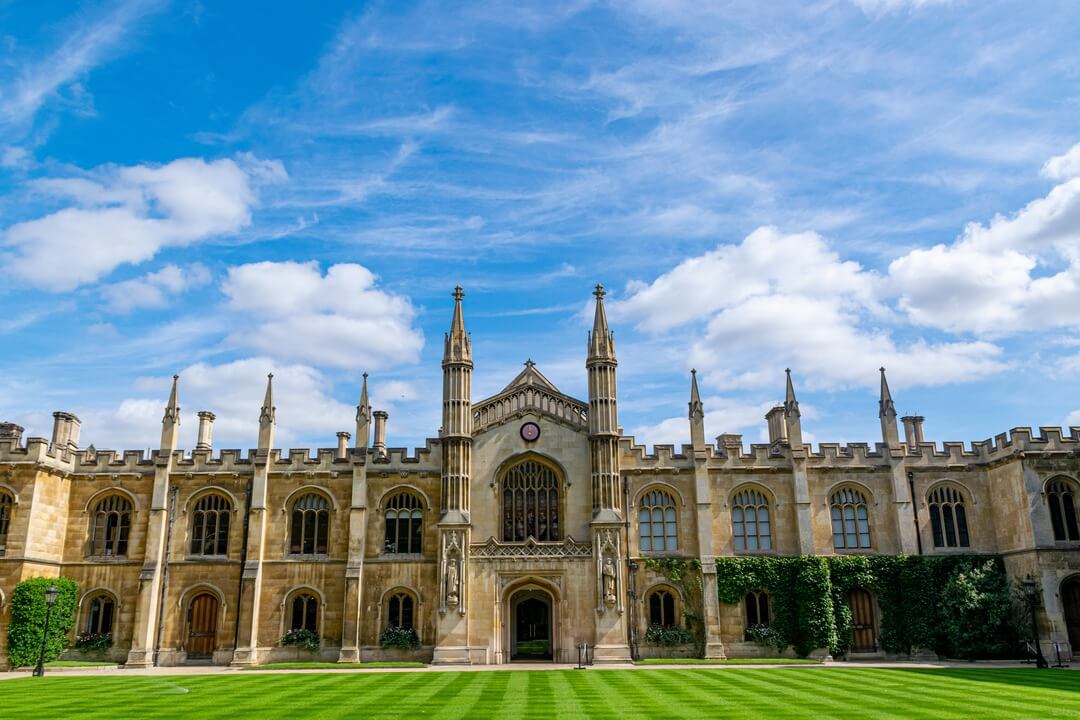
Decoding IB Scores: What's a 'Good' Score for Your Dream University? Find score ranges from minimum pass to competitive entry requirements for Oxford, Cambridge, and Ivy League.
600+ handpicked tutors from across the world with the best background and experience.


Geography shouldn't limit your potential. Lanterna provides premium online IB tutoring across the world, being partners with 250+ IB schools worldwide. Our country guides explore how the IB landscape shapes up and how our tutoring supports it perfectly.

1 hour of online tutoring in any subject with a 40+ IB graduate who scored a 7 in your subject.
No strings attached. By filling out the form you accept our T&Cs.
We are IB experts committed to achieving your academic goals.