
Graduates
- Scored 40+ in the IB and 7s in the subjects they teach.

IB Results Explained for Parents: Free guide by 7/7 grads on interpreting your child's July scores (points, pass conditions) and university implications.
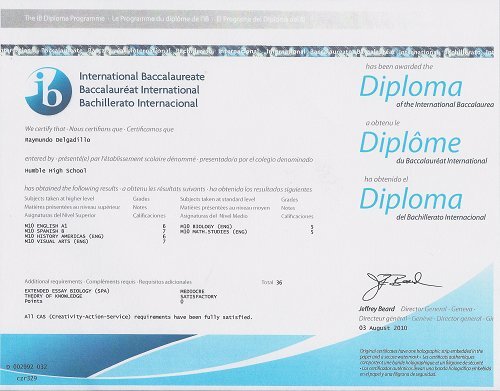
As results day approaches, the grades, points scores and acronyms of the International Baccalaureate can feel overwhelming. What does a '6' in HL Maths really mean? How are the 45 points calculated? And what do these scores mean for university applications?
This guide is designed to help you demystify your child's IB results. We'll break down the scoring system, explain what it takes to pass, and provide context for what universities are looking for. Think of this as your handbook for navigating one of the most important days of child's IB journey.
By using this guide, you will be able to:
The maximum score in the IB Diploma Programme is 45 points. This total comes from two key areas: the six subjects and the DP Core.
Your child takes six subjects, usually three at Higher Level (HL) and three at Standard Level (SL). Each subject is graded on a scale of 1 to 7. Here's a simple breakdown of what those grades mean:
| Score | Descriptor | What It Means for a Student |
|---|---|---|
| 7 | Excellent | Exceptional, deep understanding and mastery of the subject. |
| 6 | Very Good | Strong performance with a thorough grasp of the material. |
| 5 | Good | A solid, confident performance that meets all key objectives. |
| 4 | Satisfactory | Meets the basic requirements; generally considered a pass. |
| 3 | Mediocre | Shows some knowledge but has distinct gaps in understanding. |
| 2 | Poor | Indicates significant weaknesses and a lack of understanding. |
| 1 | Very Poor | Shows minimal understanding of the course content. |
Grades are determined by a combination of a student's Internal Assessments (IAs) and their final external exams. IA's can be broadly defined as coursework, either a report or a presentation (dependent on the subject), which are graded by teachers and moderated by the IB. For most subjects, the final exams account for 70-80% of the overall grade.
The remaining 3 points come from two of the three core components: the Extended Essay (EE) and Theory of Knowledge (TOK). The third component, CAS (Creativity, Activity, Service), has a pass/fail requirement but doesn't contribute to the bonus points score.
The combination of these two grades determines the bonus points. For example, getting an A in both the EE and TOK will earn the full 3 bonus points. Poor performance in both (i.e., an E in either component), means the student cannot be awarded their IB Diploma, regardless of what they have scored in their chosen subjects. We will explain this in more depth in the following section.
Here's a table to show how the bonus points are calculated:
| ToK | ||||||
| A | B | C | D | E | ||
| A | 3 | 3 | 2 | 2 | Fail | |
| EE | B | 3 | 2 | 2 | 1 | Fail |
| C | 2 | 2 | 1 | 0 | Fail | |
| D | 2 | 1 | 0 | 0 | Fail | |
| E | Fail | Fail | Fail | Fail | Fail |
"Passing the IB" isn't just about the final points score or chossen subject grades. In fact, students must meet several conditions to pass. While the most well-known rule is scoring at least 24 points, here are the other key hurdles:
So, what's a "good" score? It depends entirely on the university and course. The global average IB score hovers around 30 points. Here is a general guide to what different scores can mean for university prospects.
| University Tier | Typical IB Score Range | What to Expect |
|---|---|---|
| Ivy League, Oxbridge, LSE | 38 - 42+ | Highly competitive. Offers almost always specify 7s and 6s in relevant Higher Level subjects (e.g., "41 points with 7,7,6 at HL"). |
| Top Russell Group (UK), Top US/Canadian Universities | 34 - 38 | A very strong and competitive score range. King's College London or Edinburgh often fall in this range. Subject-specific grades are crucial. |
| Good UK/European/Australian Universities | 30 - 34 | A solid score that opens doors to many excellent universities worldwide. This is comfortably above the global average. |
| Meeting Diploma Requirements | 24 - 29 | This score will secure the IB Diploma and meets the entry criteria for many universities, although options may be more limited. |
Results day is an emotional rollercoaster, so your reaction and support is crucial. Here’s how you can prepare to be the best support system possible.

IB Results Day Guide for Parents: Prepare for July 6th with tips for celebrations, handling a "near miss," calling universities, and using the remark strategy.
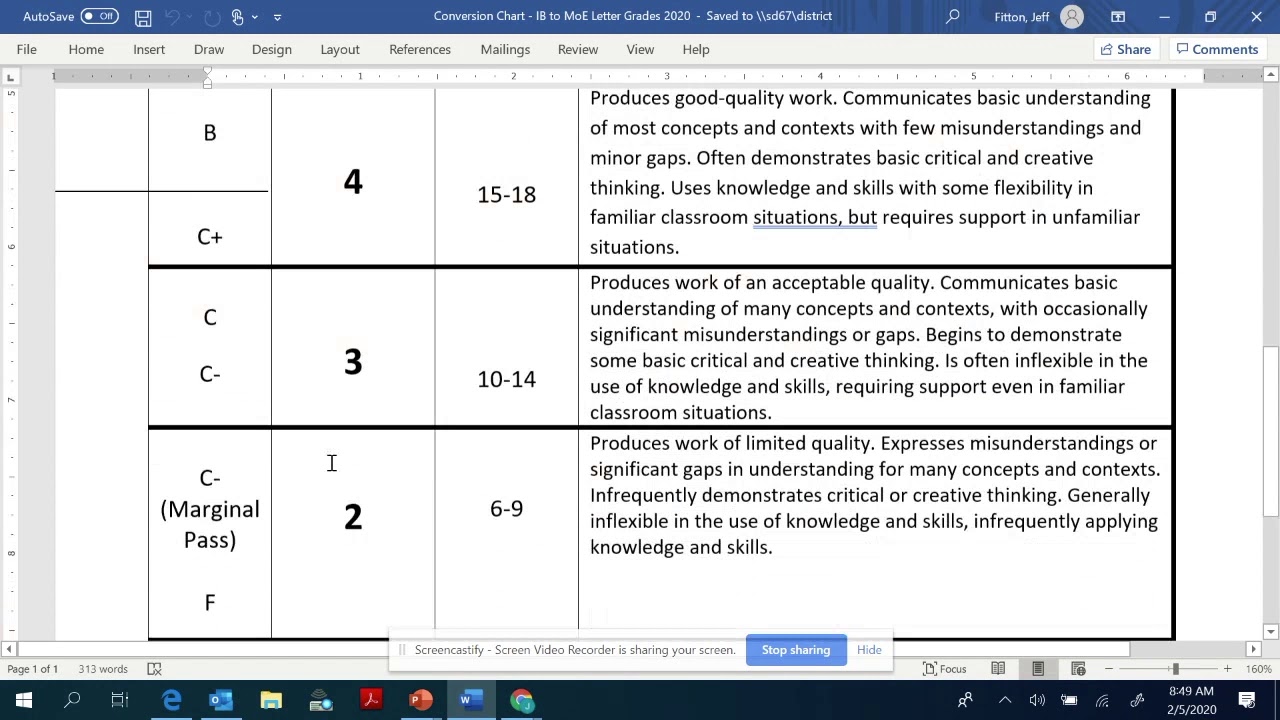
IB Report Card Guide for Parents: Decode "Predicted Grade," "ATL Skills," and the 1-7 scale. Learn why a '5' is a strong IB score and understand your child's progress.
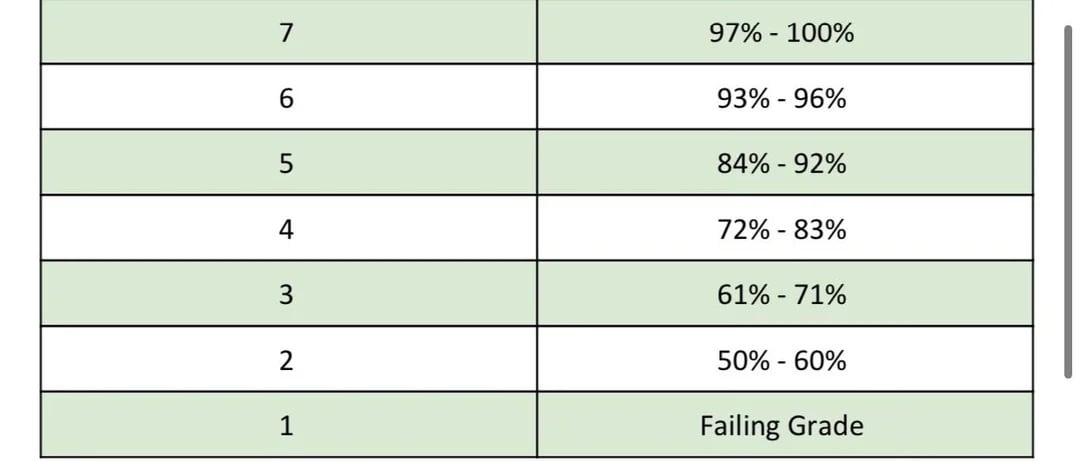
IB Grades Explained: A parent guide to interpreting the 1-7 scale and understanding teacher feedback for student growth and improvement.

What IB Score Do You Need for Top Universities? See the breakdown: 24 (Pass), 30-34 (Good), 38+ (Elite). Set realistic goals for top-tier universities.
Decoding IB Scores: What's a 'Good' Score for Your Dream University? Find score ranges from minimum pass to competitive entry requirements for Oxford, Cambridge, and Ivy League.
.png)
Learn how IB predicted grades work and why they're vital for university offers. Understand the role of mock exams and IAs, and discover what steps you can take.
Learn how your IB predicted grades are calculated using mocks and IAs. Understand their crucial role for university offers and get expert tips for discussing them with teachers.

IB Exam Logistics: Essential Guide for Parents (Schedules, Rules, Equipment). Help your child's exam days go smoothly with expert tips.
600+ handpicked tutors from across the world with the best background and experience.


Geography shouldn't limit your potential. Lanterna provides premium online IB tutoring across the world, being partners with 250+ IB schools worldwide. Our country guides explore how the IB landscape shapes up and how our tutoring supports it perfectly.

1 hour of online tutoring in any subject with a 40+ IB graduate who scored a 7 in your subject.
No strings attached. By filling out the form you accept our T&Cs.
We are IB experts committed to achieving your academic goals.