
Graduates
- Scored 40+ in the IB and 7s in the subjects they teach.

IB Grades Explained: A parent guide to interpreting the 1-7 scale and understanding teacher feedback for student growth and improvement.
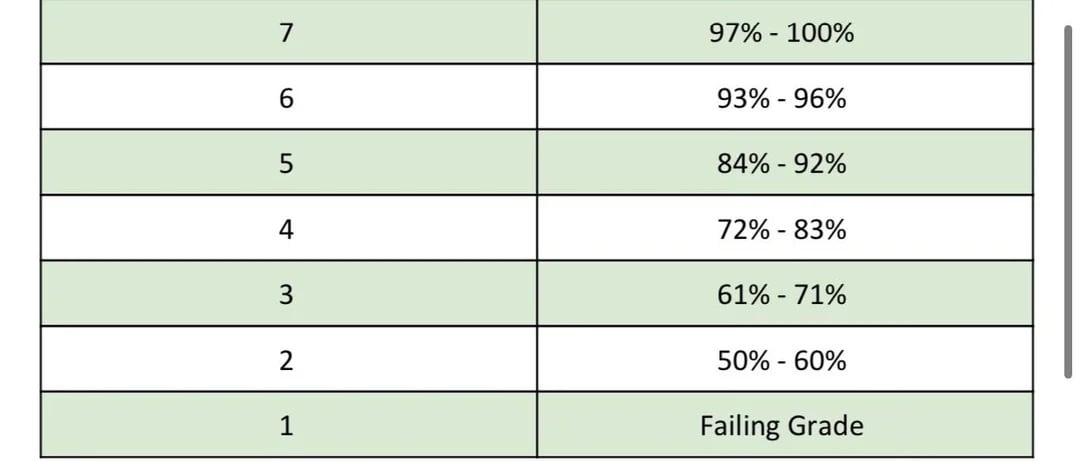
Navigating the world of IB assessment can feel like learning a new language. Unlike traditional percentage-based systems, the IB uses a 1-7 grading scale that focuses on what a student knows and can do, rather than how they rank against their peers. This guide is designed to help you decode your child's grades and, more importantly, understand the teacher feedback that drives real improvement.
Think of this as your Rosetta Stone for IB assessment. By the end, you'll be able to:
The first thing to know is that the IB is a "criterion-referenced" system. This means students are measured against a set of predefined standards for each subject. A 7 in Physics in May session exams has the same standard of excellence as a 7 in Physics last November, regardless of how the rest of the cohort performed. This ensures consistency over time, global consistency, and fairness. Here’s what each grade means:
This indicates an outstanding, thorough, and often insightful understanding of the subject. The student demonstrates strong analytical skills, grasps complex concepts, and can apply their knowledge creatively in new situations.
A very strong performance. The student has a comprehensive command of the subject matter with only minor gaps or mistakes. Their analytical skills are competent, and they consistently meet the demands of the course.
This signifies a solid and consistent grasp of the key concepts. While there might be occasional errors, the student is generally proficient and has a good foundation in the subject.
A 4 represents an acceptable level of understanding that meets the basic standards of the course. The student can grasp most concepts but may show inconsistencies or need development in certain areas. This is generally considered a basic passing grade.
This shows a limited understanding of the subject. The student may struggle with key concepts and often needs to improve their comprehension or application skills.
Indicates a superficial grasp of the material, with significant gaps in knowledge. A student at this level will require substantial support to meet the minimum course requirements.
The lowest grade, showing very rudimentary understanding and minimal achievement of the course objectives.
The famous "45" is the maximum possible score for the IB Diploma. It's a combination of subject performance and the IB Core. Here’s how it adds up:
A grade is a snapshot in time; the feedback is the roadmap for improvement. IB teachers provide detailed comments that are directly linked to the assessment criteria. Learning to interpret this feedback is the key to growth.
| Type of Feedback | What It Sounds Like | What It Means & Next Steps |
|---|---|---|
| Content-Based | "Your analysis is shallow" or "Lacks supporting evidence." | Meaning: The student is describing what happened but not explaining why it's significant in context. Action: Encourage them to ask "so what does this mean?" after every point they make and to link their evidence back to their main argument. |
| Structural | "The essay jumps between ideas" or "Lacks a clear line of argument." | Meaning: The work is disorganised and hard to follow. Action: Work on outlining before writing. Focus on strong topic sentences for each paragraph that clearly link to the thesis statement. |
| Technical | "Incorrect citation format" or "Inconsistent use of terminology." | Meaning: The student is losing marks on presentation and academic conventions. Action: This is often the easiest feedback to fix. Review the required citation style (e.g., MLA, APA) and create a glossary of key subject terms for each subject. |
Think TOK to aim for 7: the criteria descriptions for work scoring 7 in any subject often imply concluding assignments like Internal Assessments with the critical thoughts and implications that TOK study in the Areas of Knowledge develops.
Your role is not to be a supplementary teacher, but a supportive coach. Use these strategies to help your child turn feedback into fuel for success.
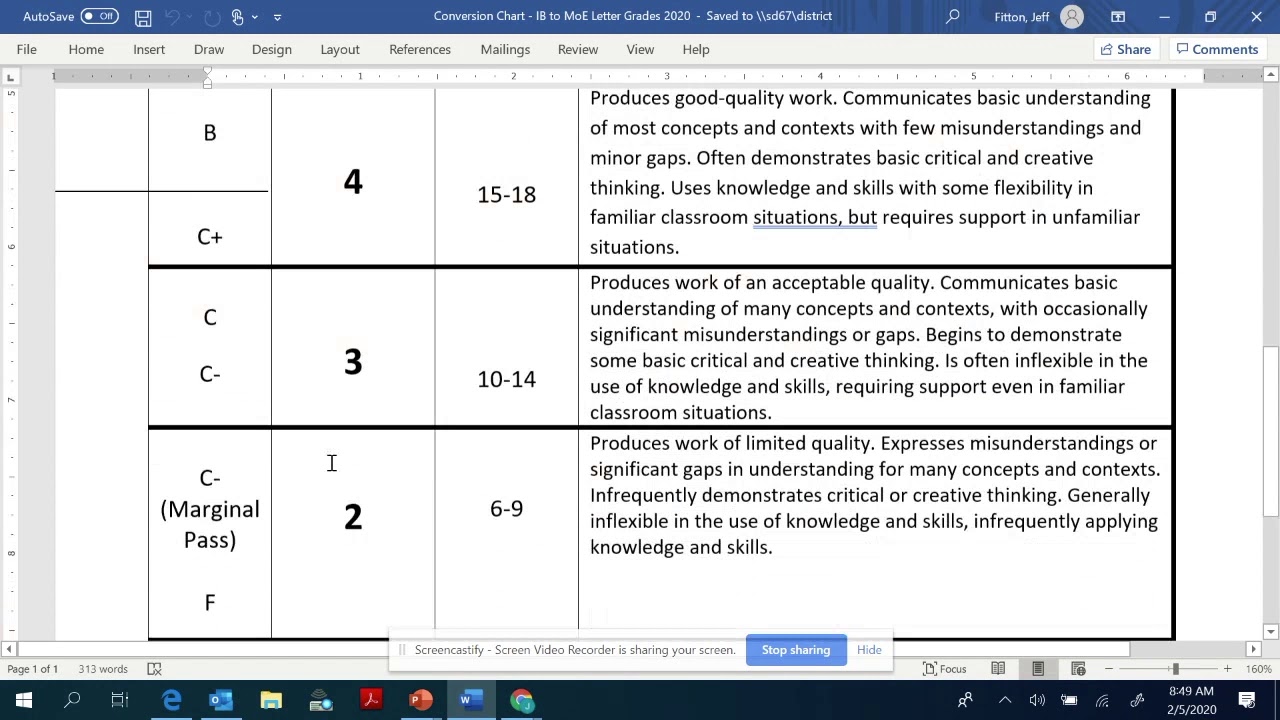
IB Report Card Guide for Parents: Decode "Predicted Grade," "ATL Skills," and the 1-7 scale. Learn why a '5' is a strong IB score and understand your child's progress.
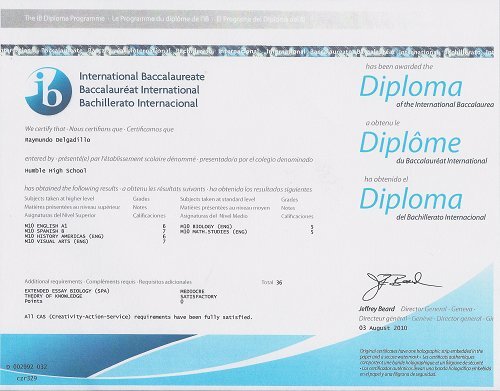
IB Results Explained for Parents: Free guide by 7/7 grads on interpreting your child's July scores (points, pass conditions) and university implications.
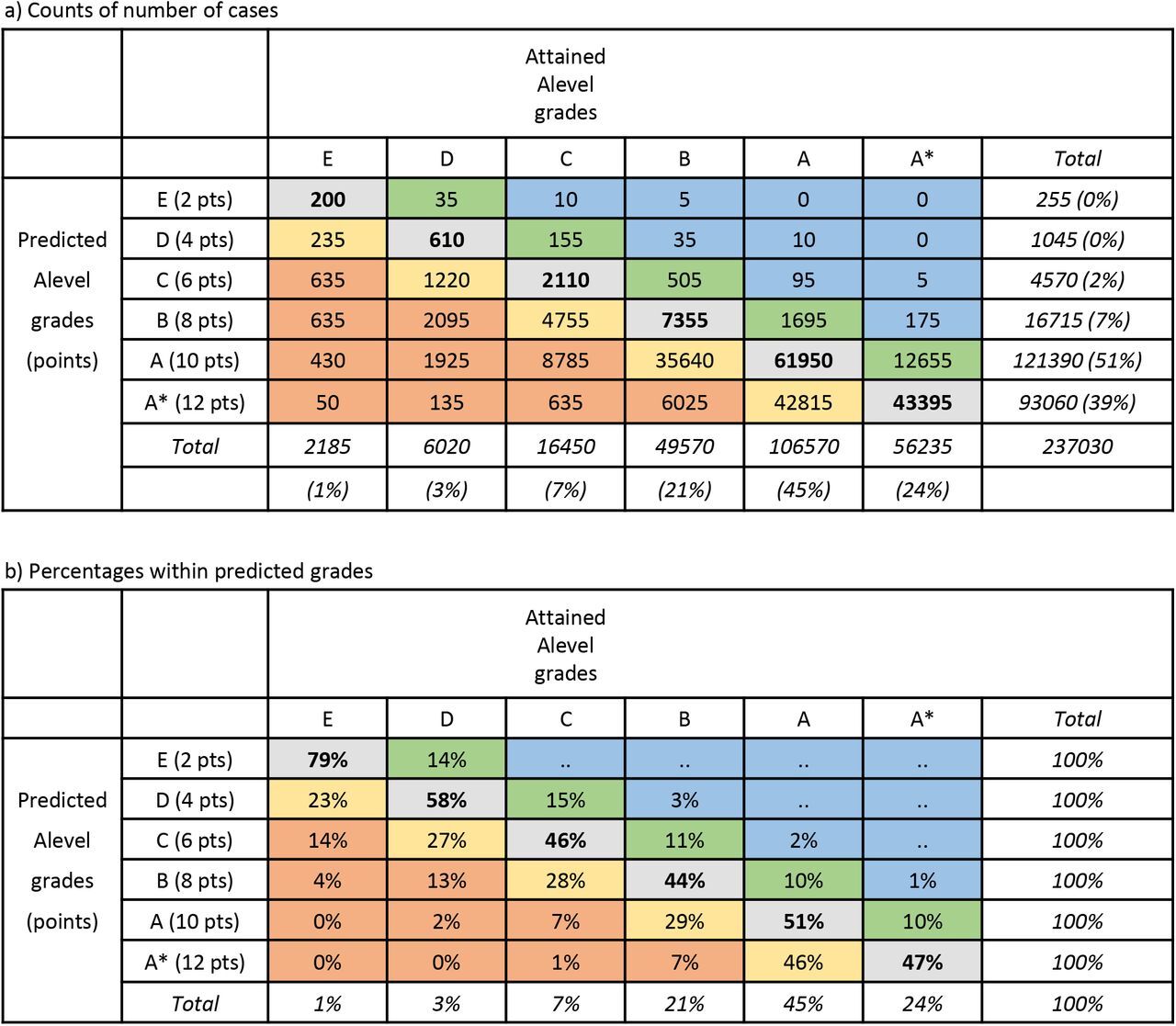
Learn how your IB predicted grades are calculated using mocks and IAs. Understand their crucial role for university offers and get expert tips for discussing them with teachers.
.png)
Learn how IB predicted grades work and why they're vital for university offers. Understand the role of mock exams and IAs, and discover what steps you can take.

IB Results Day Guide for Parents: Prepare for July 6th with tips for celebrations, handling a "near miss," calling universities, and using the remark strategy.

What IB Score Do You Need for Top Universities? See the breakdown: 24 (Pass), 30-34 (Good), 38+ (Elite). Set realistic goals for top-tier universities.

IB Exam Logistics: Essential Guide for Parents (Schedules, Rules, Equipment). Help your child's exam days go smoothly with expert tips.

IB parents: Navigate college applications with this guide. Get expert tips on deadlines and proofreading while supporting your IB student's ownership of the process.
600+ handpicked tutors from across the world with the best background and experience.


Geography shouldn't limit your potential. Lanterna provides premium online IB tutoring across the world, being partners with 250+ IB schools worldwide. Our country guides explore how the IB landscape shapes up and how our tutoring supports it perfectly.

1 hour of online tutoring in any subject with a 40+ IB graduate who scored a 7 in your subject.
No strings attached. By filling out the form you accept our T&Cs.
We are IB experts committed to achieving your academic goals.