
Graduates
- Scored 40+ in the IB and 7s in the subjects they teach.

Master IB presentations with this complete guide. Learn the purpose, format, and essential skills needed to excel in your assessed presentations and boost your IB grades.

In this first part of our Presentations miniseries, we look at the use of presentations. We discuss some of the times when you may need to present. Finally we talk about the benefits of doing presentations!
Presentations – love them or hate them, as a student you will have to present at some point. Whether it’s talking about your group science project, describing a ToK issue to the class or sitting with your English teacher and talking about Shakespeare, we all have to present.
Some of the common formats for presentations include the following:
Almost every student gets asked to present as a way to help her or him learn and teach others. This is usually to:
If you want to be successful in this kind of presentation, you will have to do extended research, use an exciting style and you may have to present from multiple perspectives. Presenting from multiple perspectives means looking at an issue in different ways. Imagine you’re talking about a historical battle between the British and the rebellious Americans. If you’re teaching other people it may not be enough to simply state the facts. You may want to talk about how these facts would seem to the American forces and to the British. You may even want to jump between individuals in those societies and explain how they would interpret the events at hand.
This means you want to convince the audience to do something. It might be that you want to win in a ToK debate. Or maybe you’re discussing an issue in history and you have been chosen to take a particular perspective and defend it. Whatever the case this means that you need to make people agree with you.
How can you do that? Well there are basically three skills you need to master:
This is the big one for most IB students. Being assessed by presentation can be scary, but it can also be to your advantage if you learn how to handle the situation.
Usually if you’re doing an assessed presentation you will be given a percentage score which then contributes to your overall grade in that subject.
Teachers also usually give practice presentations to help you hone your presentation skills before the real exams.
I remember when I did the IB; a lot of students didn’t put in the effort for practice presentations. I guess that made sense to them at the time because presentations take a lot of work and practicing talking about Othello when the exam won’t be on that play might seem pointless.
Don’t fall for this trap. Practice presentations are necessary if you want to do well in the real exam. If you don’t work for practice, you won’t be as good at presenting as the other students in your class (and the world!). If that happens you won’t do as well in the exam. Simple…put in the hours, get the IB points.
Every IB student will have exams at the end of the 2 years, and presentations are a great way to prepare for these. Your research will contain information that you will use in the exams. This will give you an advantage over other students.
Everyone needs to speak in public sometimes. Whether that’s for your university course (most unis require this), for a meeting at work, or because you need to give a speech at a wedding, everyone has to talk. Working hard and doing well during presentations is a great way to practice this.
Most people are afraid of public speaking. In fact, it’s the number one fear amongst students. This gives you an opportunity. If you can practice the thing most people fear and become good at it, you will be able to stand out. You will literally be outstanding – and this is a great way to pick up points.
In this article you’ve learned about the types of speeches, as well as why we have to do them. We’ve also talked about some of the benefits of learning to present, and how this can help you later on. In our next instalment you will learn about how to make your presentations effective, so that you can pick up as many marks as possible when you’re assessed.
Struggling with your IB TOK Presentation? Discover 20 successful TOK Presentation Ideas with examples and expert tips to ace your internal assessment.

Understand how examiners think and learn expert IB English IO revision tips, including grading criteria and structure, to smash your oral presentation.

Learn how to ace your IB French B oral exam with expert revision tips, including key grammar showcase strategies and the 3-layered analytical approach for success.

Master your IB exams by understanding key command terms. Our expert guide provides a complete list of definitions for terms like 'analyze', 'discuss', and 'evaluate'.
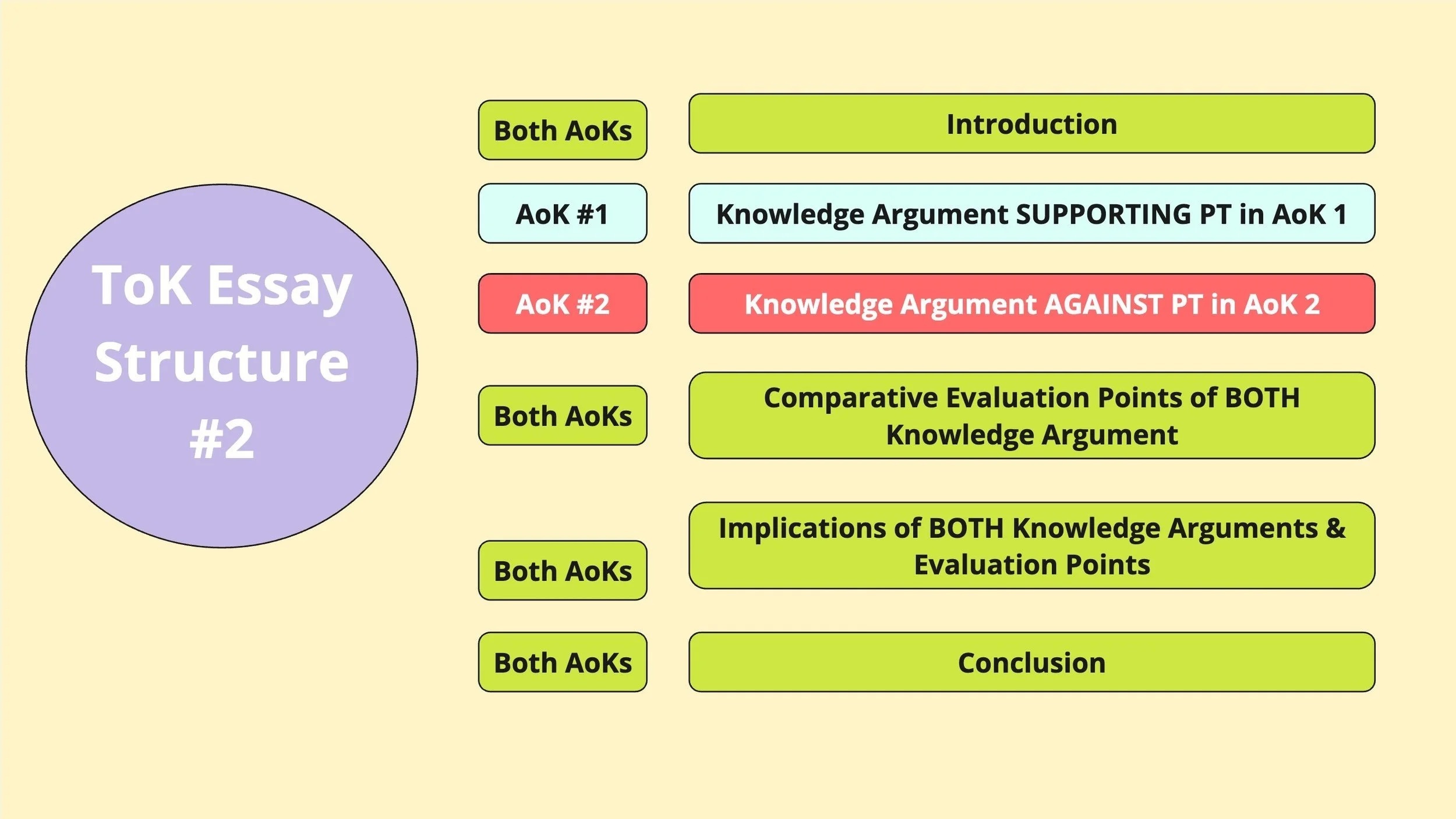
Master the IB TOK Essay structure with our complete guide. Get step-by-step outlines for your introduction, AOK paragraphs (claims/counterclaims), and conclusion to hit top markbands.
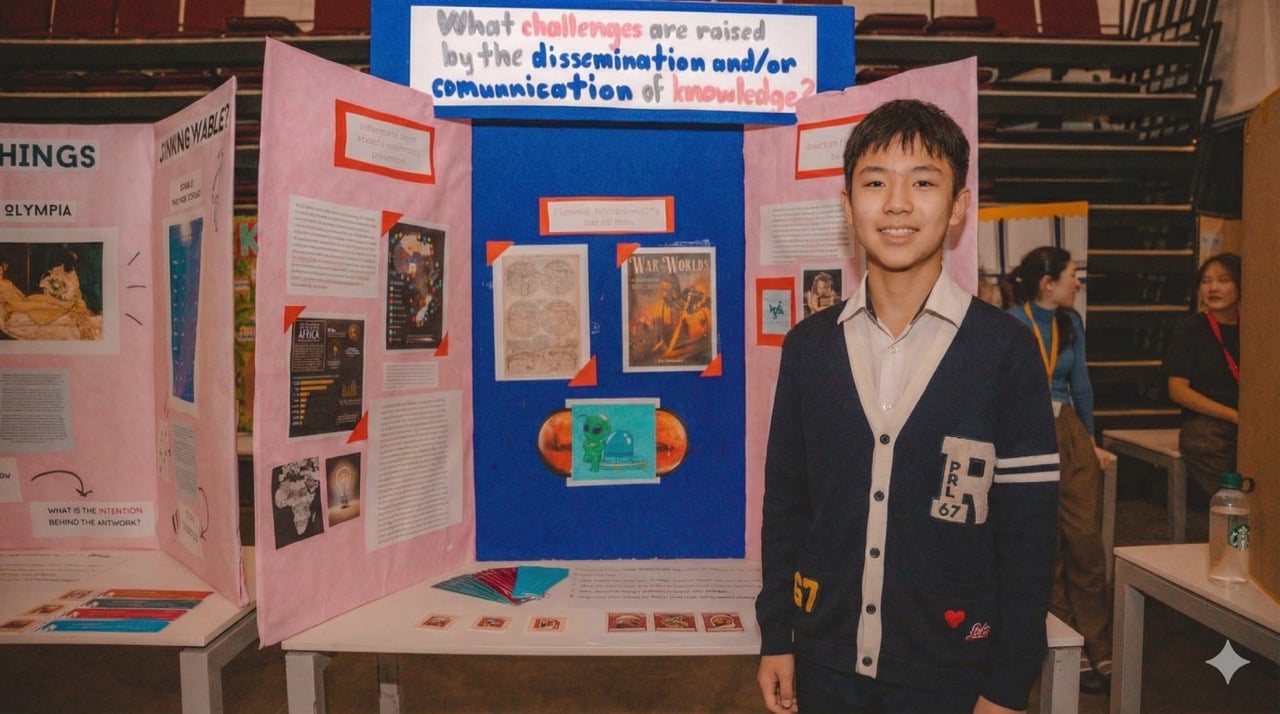
Master your TOK Exhibition! Get 35 diverse object ideas (tweet, toy, map projection) and guided questions to effectively link them to your IA prompts and core themes.
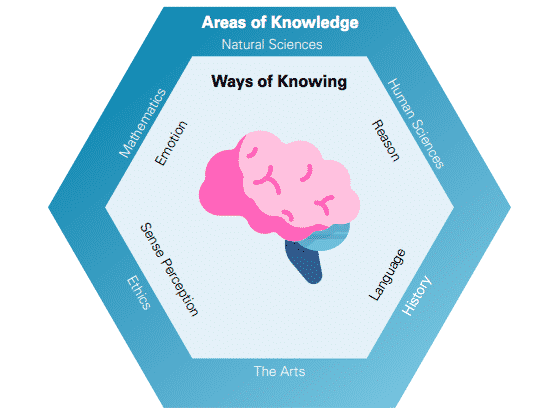
Master IB Theory of Knowledge (TOK) with our complete guide. Learn about the curriculum, areas of knowledge, and ace your TOK exhibition and essay with structure tips and examples.

What is the Extended Essay (EE)? Get a complete overview of this mandatory 4,000-word research paper in the IB Diploma Programme core.
600+ handpicked tutors from across the world with the best background and experience.


Geography shouldn't limit your potential. Lanterna provides premium online IB tutoring across the world, being partners with 250+ IB schools worldwide. Our country guides explore how the IB landscape shapes up and how our tutoring supports it perfectly.

1 hour of online tutoring in any subject with a 40+ IB graduate who scored a 7 in your subject.
No strings attached. By filling out the form you accept our T&Cs.
We are IB experts committed to achieving your academic goals.