
Graduates
- Scored 40+ in the IB and 7s in the subjects they teach.

IB Report Card Guide for Parents: Decode "Predicted Grade," "ATL Skills," and the 1-7 scale. Learn why a '5' is a strong IB score and understand your child's progress.
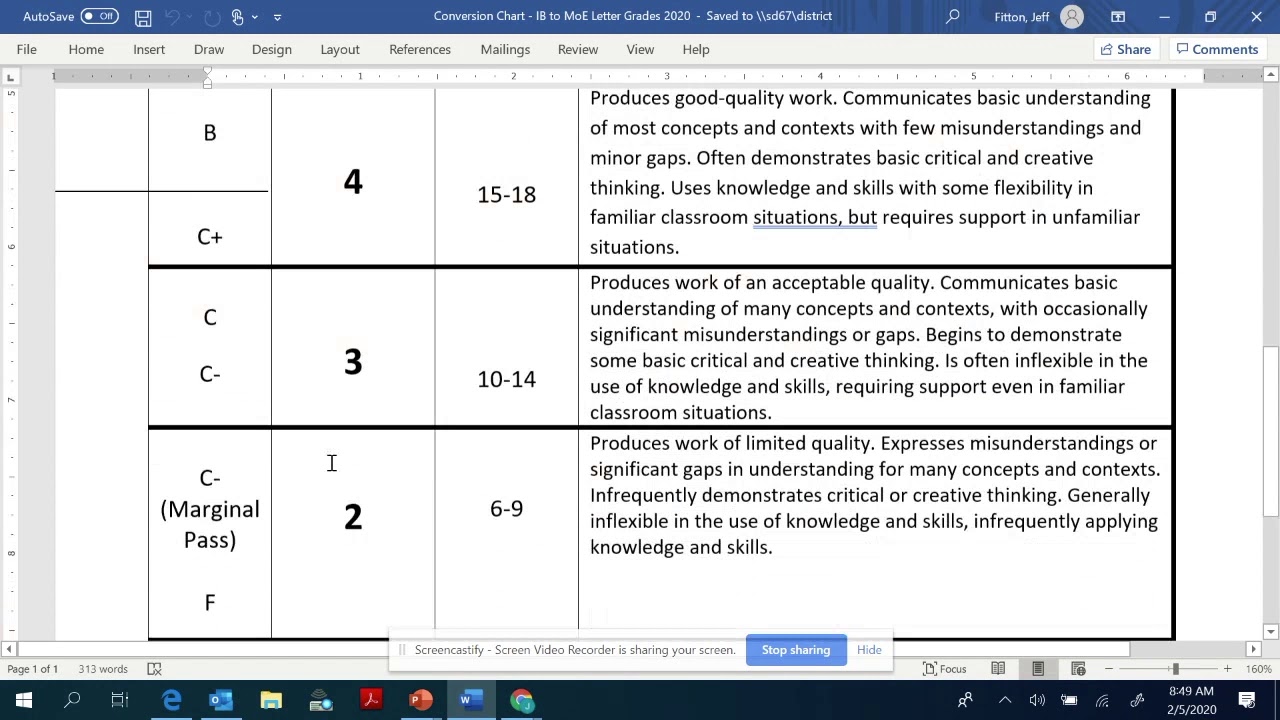
When you get your first IB report card in your hands, it might look a little different from what you're used to. Although all schools report in their own way, in many it will contain terms like "Predicted Grades" and "ATL Skills," alongside the famous 1-7 scale. Don't worry, it's not as complicated as it seems. This guide is designed to break it all down, just like your tutor or teacher would, so you can understand exactly what you're looking at and how to use it to your advantage.
By the end of this guide, you'll be able to:
This is probably the section that causes the most stress, and for good reason. Predicted Grades are one of the most significant parts of your IB journey, especially when it comes to planning for university.
You can think of a Predicted Grade as your teacher's professional, evidence-based estimate of the final score you'll achieve in your May exams. It’s not just a random guess; it’s a holistic assessment based on your performance over time in various assessments.
Your teachers look at a whole range of evidence to make their prediction as accurate as possible. The main factors include:
You might see comments on your report about ATL skills. These are arguably the most important, long-term skills you'll develop during the IB. The programme isn't just about *what* you learn, but *how* you learn. These five skill sets are integrated into every subject.
This is your ability to think critically and creatively. It’s about asking "why," analysing arguments, and transfering or adapting knowledge and ideas instead of just memorising facts.
How well do you express your ideas and understand others? This covers everything from writing clear essays and giving presentations to actively listening in class discussions.
This is all about collaboration. Are you effective in different roles in group projects? Can you listen to different perspectives and work with your peers to achieve a common goal?
This is the big one for success. It’s your organisational skills, time management, and resilience. It's about meeting deadlines, staying motivated, and bouncing back from setbacks.
Crucial for your IAs and the EE. This is about finding reliable sources, citing them correctly, and evaluating information critically, rather than just taking the first thing you find on Google.
The IB uses a very specific system to score your performance, from individual subjects all the way to your final diploma score.
Each of your six subjects is graded on a scale from 1 (lowest) to 7 (highest). It's a criterion-referenced system, meaning your grade reflects your performance against set IB standards, not against the other students in your class.
| Grade | Descriptor | What it means |
|---|---|---|
| 7 | Excellent | You have an outstanding and comprehensive grasp of the subject. |
| 6 | Very Good | You show strong, thorough knowledge and mastery. |
| 5 | Good | A solid performance with a good understanding of key concepts. |
| 4 | Satisfactory | An acceptable, basic understanding that meets the minimum standard. |
| 3 | Mediocre | A limited understanding with noticeable gaps in knowledge. |
| 2 | Poor | A weak understanding of the course material. |
| 1 | Very Poor | Minimal understanding or engagement with the subject. |
Here’s how it all adds up:
This is the million-dollar question! The answer depends entirely on your goals. Here's a general breakdown:
.png)
Learn how IB predicted grades work and why they're vital for university offers. Understand the role of mock exams and IAs, and discover what steps you can take.

What IB Score Do You Need for Top Universities? See the breakdown: 24 (Pass), 30-34 (Good), 38+ (Elite). Set realistic goals for top-tier universities.
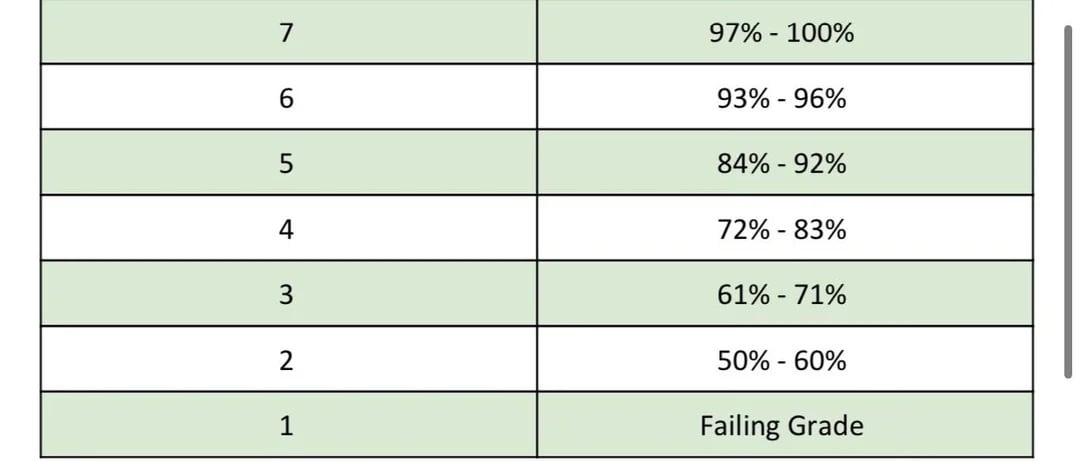
IB Grades Explained: A parent guide to interpreting the 1-7 scale and understanding teacher feedback for student growth and improvement.
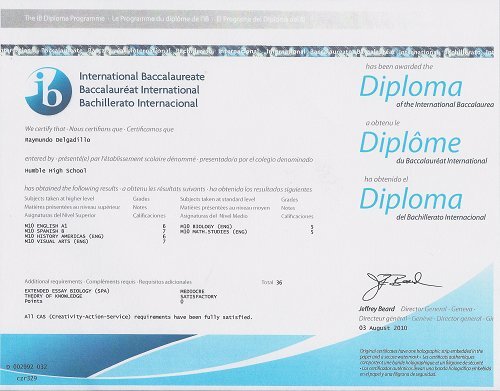
IB Results Explained for Parents: Free guide by 7/7 grads on interpreting your child's July scores (points, pass conditions) and university implications.
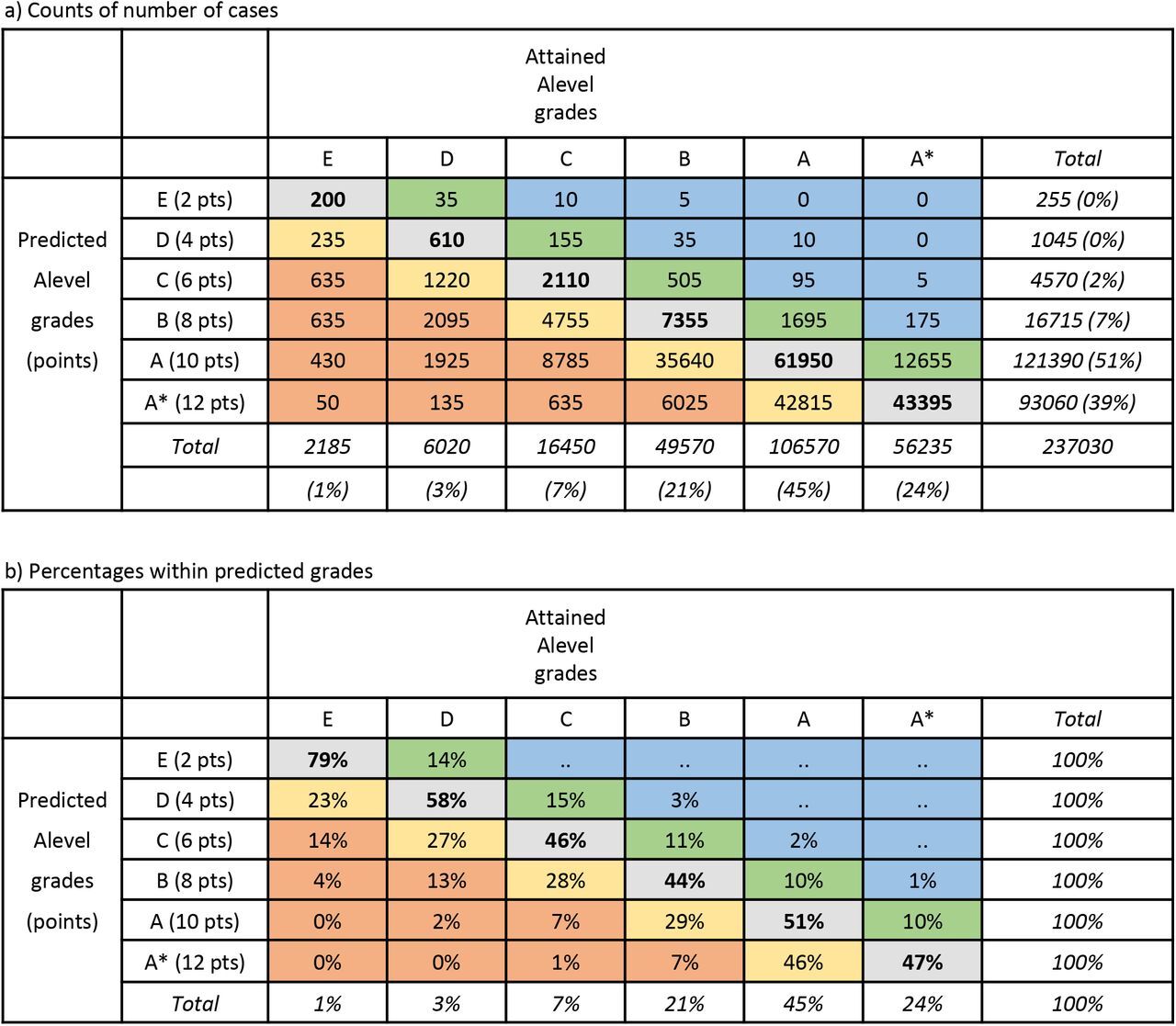
Learn how your IB predicted grades are calculated using mocks and IAs. Understand their crucial role for university offers and get expert tips for discussing them with teachers.

IB Results Day Guide for Parents: Prepare for July 6th with tips for celebrations, handling a "near miss," calling universities, and using the remark strategy.

Failed the IB Diploma? This solutions-oriented guide explains Course Certificates, November retake sessions, and alternative university pathways (Foundation years). Find out what to do next.

Decoding IB Scores: What's a 'Good' Score for Your Dream University? Find score ranges from minimum pass to competitive entry requirements for Oxford, Cambridge, and Ivy League.
600+ handpicked tutors from across the world with the best background and experience.


Geography shouldn't limit your potential. Lanterna provides premium online IB tutoring across the world, being partners with 250+ IB schools worldwide. Our country guides explore how the IB landscape shapes up and how our tutoring supports it perfectly.

1 hour of online tutoring in any subject with a 40+ IB graduate who scored a 7 in your subject.
No strings attached. By filling out the form you accept our T&Cs.
We are IB experts committed to achieving your academic goals.