
Graduates
- Scored 40+ in the IB and 7s in the subjects they teach.

Learn how your IB predicted grades are calculated using mocks and IAs. Understand their crucial role for university offers and get expert tips for discussing them with teachers.
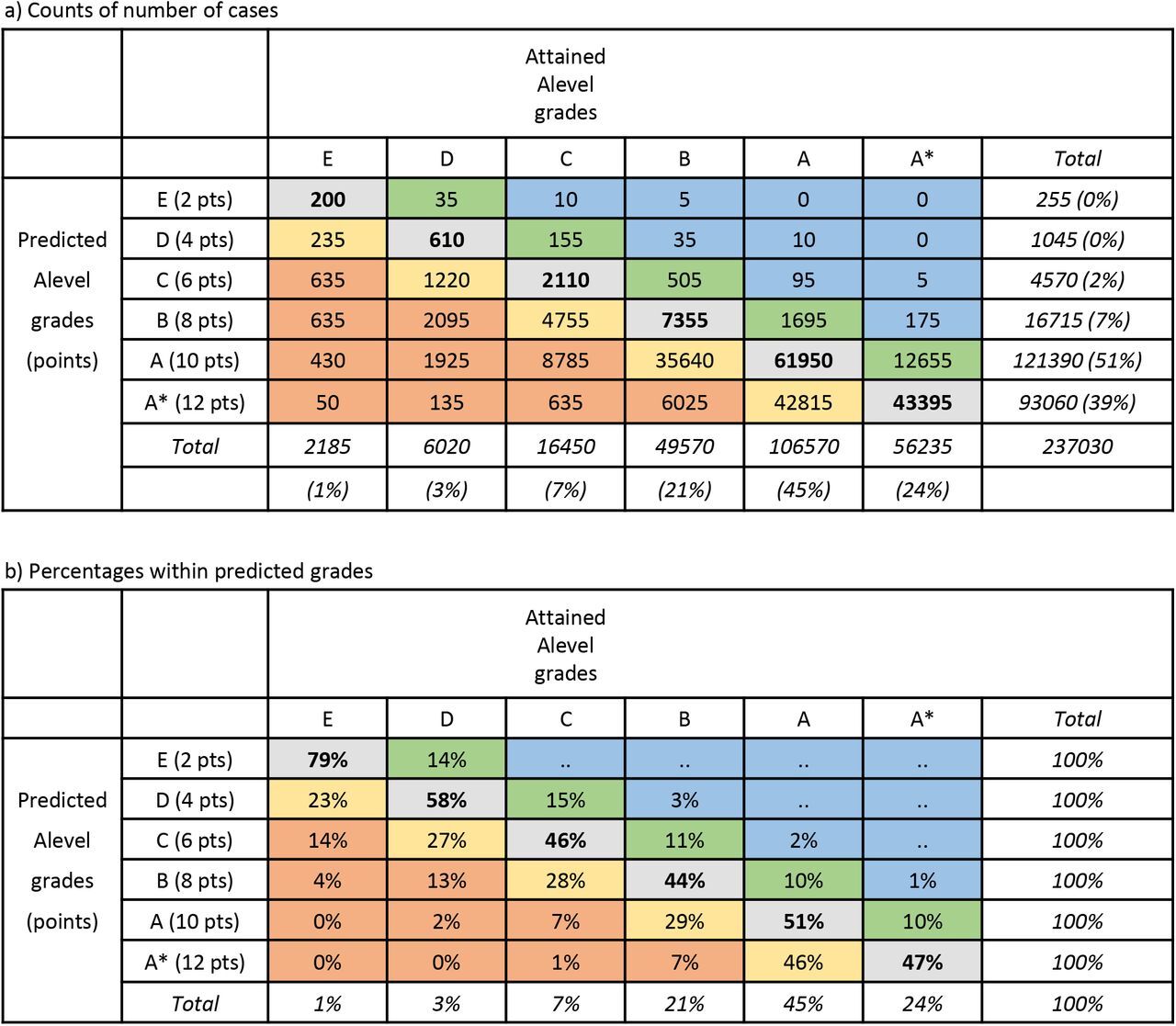
Let's talk about one of the most important—and often most stressful—parts of your IB journey: your Predicted Grades (PGs). Think of them as your teachers' professional forecast of your final exam scores. They are absolutely crucial, especially because they're what universities see long before your actual results are out, and thus determine your university journey. Understanding how they work is the first step to making them work for you.
This guide will show you:
There isn't a single magic formula for calculating PGs. Instead, your teachers use their professional judgment, based on a whole range of evidence they've collected throughout your time in the DP, and provide these predictions. It’s a holistic look at your performance, as well as your potential.
This is often the heavyweight assessment. Mocks closely replicate the real exam, testing not only what you know, but how well you perform under pressure. A strong mock exam result is one of the best predictors of a high predicted grade.
Internal Assessments (IAs)
Your IAs are a massive indicator of your capabilities. Since they count towards your final grade, the quality of your drafts and your final submission heavily influences your teacher's prediction.
It's the small assessments that quietly add up. Quizzes, essays and assignments show your progress and discipline over time. Consistency is what sets top students apart.
Extended essay (EE) and TOK are also important components that show your progression throughout the year, along with your active participation in class. All of these build the overall picture of you as a student which is then reflected through your predicted grades.
Predicted grades are issued towards the end of DP1 or the start of DP2, perfectly timed for university application season. For many systems, they are the single most important academic metric that admissions officers use to assess you.
Universities, particularly in the UK, use your PGs to make "conditional offers". This means they offer you a place on the condition that you achieve specific final IB scores. For example:
"Offer: 38 points overall with 7, 6, 6 in Higher Level subjects."
Your predicted grades need to be at or above this level to even be in the running for such an offer.
| United Kingdom (UK) | Europe | USA & Canada |
|---|---|---|
| Absolutely critical. Your UCAS application is built around your PGs. They are the primary basis for conditional offers from all universities, including Oxbridge and other top institutions. Early applications for medicine or Oxbridge rely on them entirely. | Very Important, but it varies. Many top European universities use PGs for conditional offers. However, in countries like Germany or the Netherlands, the final grade can sometimes hold more weight. For international applicants, PGs are always a key part of your file. | Important piece of the puzzle. In North America, applications are reviewed holistically. Your PGs are considered alongside your transcripts, essays, extracurriculars, and recommendations. |
Discussing your PGs with a teacher can feel daunting, but it's a necessary step especially if you feel a prediction doesn't reflect your full potential. The key to this discussion is to approach it as a strategic, evidence-based conversation, not a confrontation with your teacher.
Schedule a specific time to talk; don't just catch your teacher in a busy hallway, but rather ask them for a one-to-one meeting.
Use these talking points as a guide:
This is the most important part. If you agreed on an action plan, execute it flawlessly. Show your teacher that you are committed and that their higher prediction is justified. Your effort following this conversation can make all the difference.
Go after your predicted grades with confidence - you've earned the right to aim high and you have everything you need to achieve the grades you dream of!
.png)
Learn how IB predicted grades work and why they're vital for university offers. Understand the role of mock exams and IAs, and discover what steps you can take.

Decoding IB Scores: What's a 'Good' Score for Your Dream University? Find score ranges from minimum pass to competitive entry requirements for Oxford, Cambridge, and Ivy League.

What IB Score Do You Need for Top Universities? See the breakdown: 24 (Pass), 30-34 (Good), 38+ (Elite). Set realistic goals for top-tier universities.

Get your free IB University Application Checklist: a timeline of key tasks (research, personal statements, recommendations) aligned with your IB schedule.

IB parents: Navigate college applications with this guide. Get expert tips on deadlines and proofreading while supporting your IB student's ownership of the process.

Master your university application with "Before vs. After" motivation letter examples. Learn what admissions officers want to see and how to showcase your IB experience.

IB Results Day Guide for Parents: Prepare for July 6th with tips for celebrations, handling a "near miss," calling universities, and using the remark strategy.

Considering an IB retake? This free FAQ guide by 7-scoring grads covers who should retake, deadlines, costs, and how universities view improved scores.
600+ handpicked tutors from across the world with the best background and experience.


Geography shouldn't limit your potential. Lanterna provides premium online IB tutoring across the world, being partners with 250+ IB schools worldwide. Our country guides explore how the IB landscape shapes up and how our tutoring supports it perfectly.

1 hour of online tutoring in any subject with a 40+ IB graduate who scored a 7 in your subject.
No strings attached. By filling out the form you accept our T&Cs.
We are IB experts committed to achieving your academic goals.