
Graduates
- Scored 40+ in the IB and 7s in the subjects they teach.

Master the IB Music Musical Links Investigation (MLI) with this step-by-step guide. Learn topic choice, research tips, and structure for success in this IB assessment.

Struggling to comprehend what the heck the musical links investigation (MLI) even is, let alone how to write it? I was in your shoes a few years back but managed to get a 7 in my IB Music MLI in the end! How did I do it? Read on for my step-by-step guide on how to approach the musical links investigation for maximum success!

Before we dive into the specifics, let’s make sure we’re on the same page about what the musical links investigation really is:
Let’s take a look at the overview of the assessment requirements of your MLI as a means of exploring musical culture.
So, where do you get started? Read on for a comprehensive list of the five steps that I think you need to take in order to be on the path toward a marvellous musicla links investigation!
Arguably the most difficult and the most important step of writing your musical links investigation is deciding on a good topic. If you can comfortably say that you can check off the following, you are on your way to finding a great topic!

When you’ve got an idea of 2 cultures that are sufficiently distinct that you would be interested in exploring, it’s worth doing a deep dive into the ins and outs of that musical culture.
Ask yourself the following questions:
Make sure to use both primary and secondary sources in this research. It is at this stage that you may notice some similarities between your two distinct musical cultures.
The whole point of the IB Music musical links investigation is finding commonalities in musical genres that may sound completely different to the untrained ear, so don’t shy away from similarities that may seem too far-fetched.
Then, go back to your musical pieces and see if you can hear the common musical elements from these two musical cultures that you’ve just researched in the musical pieces that you’ve chosen!
Make a list of all the similarities that you’ve found between your chosen musical pieces from the two musical cultures.
You’ll need to perform a deep dive into the two distinct musical cultures and relate the findings back to your musical pieces.
If you’re struggling to find any similarities between the musical cultures, always remember MeMeHaMeFoStyCo (medium, melody, harmony, meter, form, style, context)! This will help you in making the musical connections that the musical links investigation requires.
Go through and make a list of some major differences between the different musical cultures as well. It will be easy to hear the overt differences in the musical examples, but try to challenge yourself in, for example, analyzing how the melody serves a different purpose in the two pieces.
Decide the format in which to present your musical links investigation.
Remember that you don’t get extra points for your format, so don’t spend too much time crafting the most authentic-looking newspaper article.
That time can be better spent refining your musical analysis, which is where almost all the points lie. However, making sure your format lends itself to a clear and organized structure in which the similarities and differences that you aim to analyze are clear to the reader is key.
Students normally choose a consistent format that typically follows one of these structures:
or,
When you’ve got your cultures, pieces, similarities, differences, and format, the only step left is to write the musical links investigation.
Don’t shy away from inserting excerpts of sheet music to aid your analysis in the musical links investigation.
If there isn’t any sheet music readily accessible, attempt to transcribe a section of the song to help explain one of your similarities.

Master the IB Diploma's two-year journey with our complete timeline. Get key deadlines and guidance for the Extended Essay, TOK, IAs, and CAS from DP1 through final exams.

What is the Extended Essay (EE)? Get a complete overview of this mandatory 4,000-word research paper in the IB Diploma Programme core.
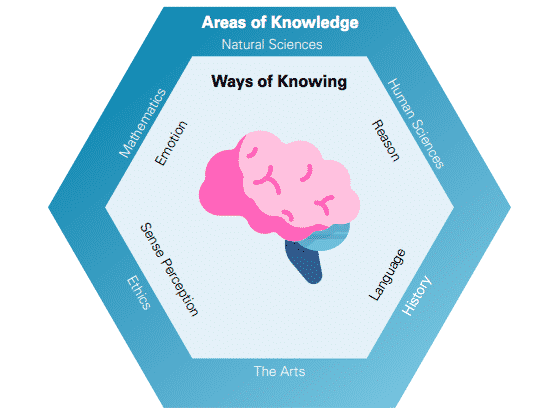
Master IB Theory of Knowledge (TOK) with our complete guide. Learn about the curriculum, areas of knowledge, and ace your TOK exhibition and essay with structure tips and examples.
.png)
Master your IB subject choices for university. Get strategic advice on crucial SL vs. HL differences and expert pathways for STEM, Business, and Humanities degrees.
.png)
Master IB note-taking with the ultimate guide. Discover top methods (Cornell, mind maps) and review essential apps (Notion, OneNote) to boost revision and study efficiency.
.png)
A complete guide to the IB Internal Assessment. Learn how to choose a topic, manage your timeline, and structure your IA for a top grade. Includes tips for parents.

Understand the International Baccalaureate (IB) program: its diploma structure, core components (Extended Essay, CAS, TOK), curriculum, and benefits for university success.
.png)
Beat IB stress and burnout with expert techniques. This guide covers time management, effective revision, and mindfulness habits to help you stay calm, focused, and ace your exams.
600+ handpicked tutors from across the world with the best background and experience.


Geography shouldn't limit your potential. Lanterna provides premium online IB tutoring across the world, being partners with 250+ IB schools worldwide. Our country guides explore how the IB landscape shapes up and how our tutoring supports it perfectly.

1 hour of online tutoring in any subject with a 40+ IB graduate who scored a 7 in your subject.
No strings attached. By filling out the form you accept our T&Cs.
We are IB experts committed to achieving your academic goals.