
Graduates
- Scored 40+ in the IB and 7s in the subjects they teach.

Write your IB TOK Essay with confidence. Learn essential tips on choosing a title, understanding IB criteria, and structuring your argument for top marks.

As an IB Diploma student, there’s no escaping the joy of TOK. Not only do you have to get your head around what Theory of Knowledge actually is, but the IBO make you write an essay too. Excellent. If it makes you feel any better, the TOK essay was not my favourite part of the IB. So, to help you guys along with this task, I want to offer you my best pieces of advice. This week’s blog is going to help you focus on key elements to remember when writing your TOK essay. Let’s do this!
Your TOK essay will answer a question set by the IBO. Luckily, you get to pick from six different questions so there is a fair amount of choice. When given the option of multiple questions, I found it easiest to firstly eliminate the questions I knew I definitely did NOT want to answer. From there, I would select the essay title I felt would best suit the examples I wanted to include in my argument.
To give you an idea, these were the six questions set for May 2019 candidates:
A great place to start with your essay is to brush up on all of those TOK terms! You want to be totally comfortable using IB TOK terminology. So check out this previous post for an instant guide to TOK terms and how they should feature in your essay.
You also want to make sure your essay covers everything that the IB criteria requires. Let’s have a look at some of these important points:
It’s a very good idea to keep these points in mind when writing your essay. And once your first draft is complete, go back and ask yourself whether you have covered all of these requirements.
Some of you might be struggling as to where to begin with the content of your assignment. Whilst it can be very tempting to copy and paste certain phrases, words and ideas from TOK websites or online forums, be careful.
Simply repeating phrases from TOK websites, or using downloaded TOK essay templates is dangerous territory. It will be very obvious to your examiner.
It’s okay to look at TOK essay templates or structures for inspiration, but try not to copy these. Your essay needs to be original. You want to work your essay around your strengths and write about what you feel most comfortable discussing. So make sure your real-life examples are not simply those in your textbooks. Write about examples that fascinate you, and topics you feel confident evaluating, as this will come across as more convincing to your examiner. You want your essay to be unique and to stand out. You don’t want it to follow the same structure as everyone else, as it may also be considered as plagiarised…
My next piece of advice is a golden oldie – answer the question! I’m sure you’ve all been told this before, but it’s so crucial with your TOK essay (and all your other essays of course!). If you don’t answer the question, you won’t score well. As I mentioned in my Extended Essay blog post a few weeks ago, you should constantly be asking yourself ‘Have I actually answered the title or question?’. To score well in your TOK essay, every sentence should link to the title you’re dealing with. A great exercise is to go through your entire essay, and analyse every single sentence. If a sentence enhances the question you’re answering, then fantastic! But if you come across a sentence that doesn’t really relate to your essay title, it’s a good idea to reword this section, or get rid of it. This is such a worthwhile exercise to do, as it will guaranteed make any essay much more focused!
Furthermore, don’t change the set titles. As stated in the IB rubric, ‘Students who modify the titles are likely to receive lower scores, since the knowledge questions that are explored in the essay must be connected to the titles in their prescribed formulation.’ So don’t try to be clever by altering the titles – it’s likely to lose you marks, rather than gain any!
When starting out with your TOK essay, the 1,600 maximum word count might seem a million miles away. But a good way to tackle your essay is to break this down; tackle a certain number of words at a time. For example, on one day, set yourself a target of writing a minimum of 500 words. Another day, aim for a further 500 words. And finally, on a different day, write another 500 words. Then in a final session to complete your TOK essay, you can refine what you’ve written so far, and you should have around 100 words left to play with!
And there we go! Hopefully these pieces of advice will make the process of writing your TOK essay much easier.
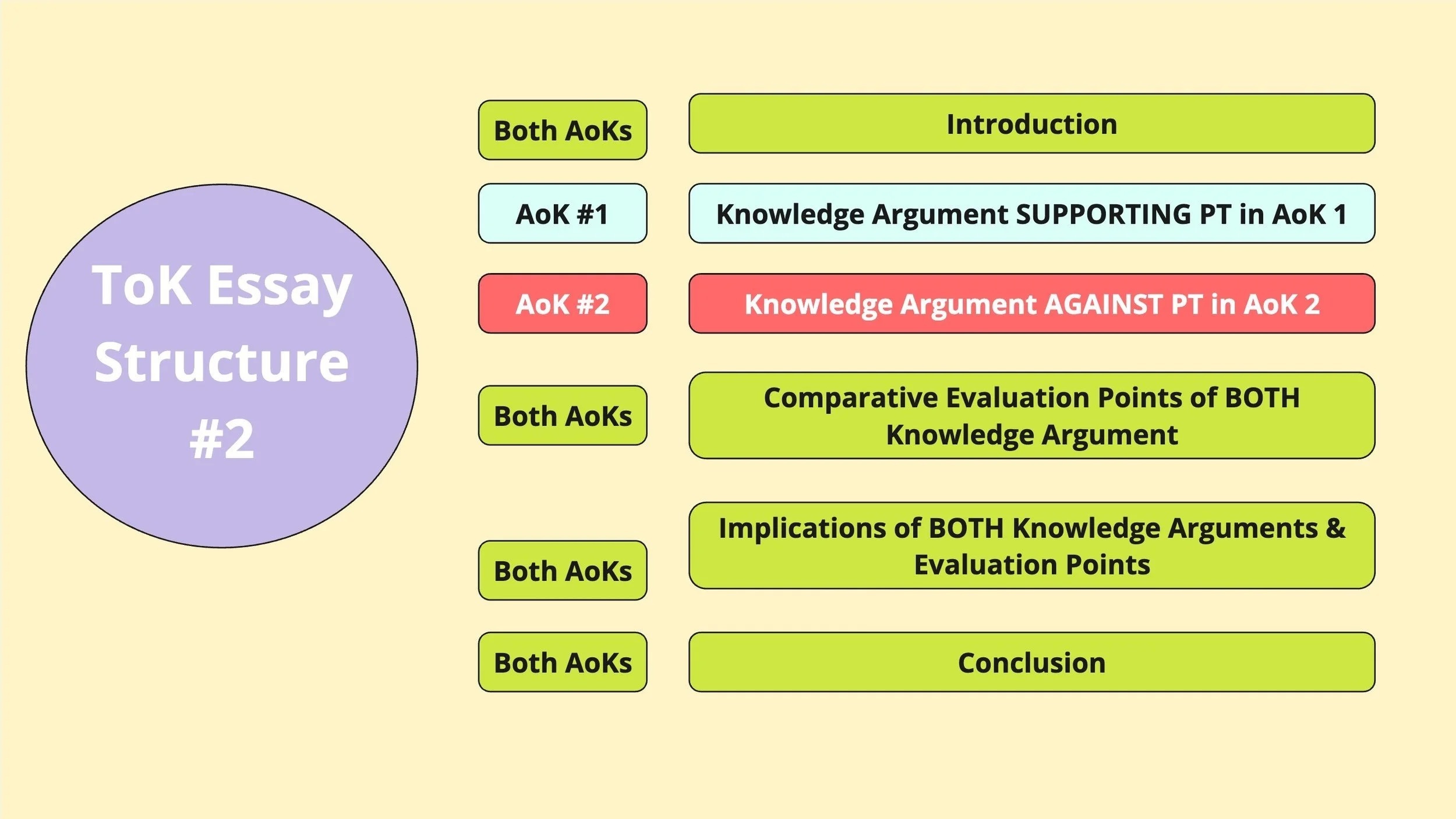
Master the IB TOK Essay structure with our complete guide. Get step-by-step outlines for your introduction, AOK paragraphs (claims/counterclaims), and conclusion to hit top markbands.
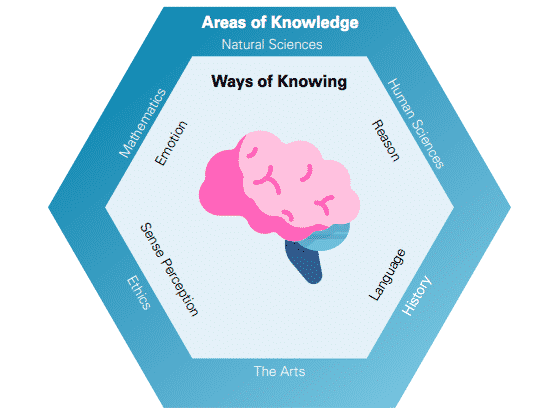
Master IB Theory of Knowledge (TOK) with our complete guide. Learn about the curriculum, areas of knowledge, and ace your TOK exhibition and essay with structure tips and examples.

Learn how to structure your IB TOK Essay step-by-step with this expert guide. Understand how examiners think and increase your TOK essay grading score with clear format tips.

Master the IB TOK Essay with this complete expert guide. Learn how to structure your paper, understand grading criteria, and use critical thinking skills to achieve your diploma.

Learn how to write the IB TOK Essay using expert tips on terminology (WOKs/AOKs) and structure. Master this challenging assignment with confidence.

Learn how to get a top grade in IB ToK with expert tips covering Shared/Personal Knowledge, Ways of Knowing, and Areas of Knowledge. Achieve those crucial core points!
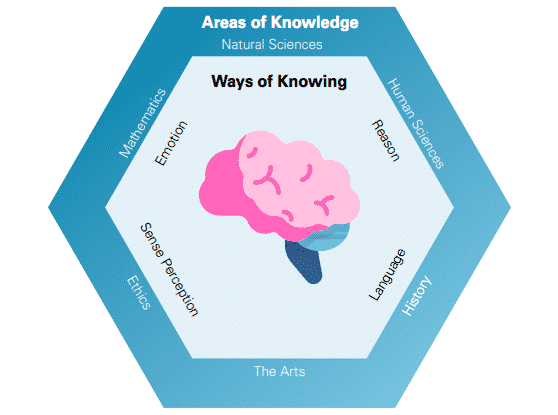
Master IB Theory of Knowledge Frameworks. Learn how to apply the structure of the Areas of Knowledge (AoKs) in your essays and presentations for top results.

Understand the New IB TOK Syllabus changes for 2020. Learn how the Exhibition and Essay work, plus mandatory Ethics, Themes, and Areas of Knowledge.
600+ handpicked tutors from across the world with the best background and experience.


Geography shouldn't limit your potential. Lanterna provides premium online IB tutoring across the world, being partners with 250+ IB schools worldwide. Our country guides explore how the IB landscape shapes up and how our tutoring supports it perfectly.

1 hour of online tutoring in any subject with a 40+ IB graduate who scored a 7 in your subject.
No strings attached. By filling out the form you accept our T&Cs.
We are IB experts committed to achieving your academic goals.