
Graduates
- Scored 40+ in the IB and 7s in the subjects they teach.

Choosing IB Higher Level vs Standard Level subjects is crucial. Learn five expert considerations on workload, university requirements, and IB grading to make the right choice.

It can be difficult to choose between Higher Level and Standard Level for your IB subjects. Here’s our view on how to make your mind up.
Let’s start by assuming you’ve already picked your six IB subjects. That was tough, right? So now you should be ready to go?
Well, no, you still have to choose which will be your Higher Level (HL) and Standard Level (SL) subjects! This is hugely important, as it will impact not just how much you study, but also what material you cover, and maybe even your ultimate score. So, what do you do?
As the names suggest, HLs are more advanced – they cover more material, take more teaching hours to cover, and go into more depth and complexity. Usually, students take 3 HLs and 3 SLs, although some students do choose to take 4 HLs and 2 SLs. Generally speaking there is no necessity to take the extra HL, and doing so can result in an overall lower grade as you have less time to devote to your six subjects. If, however, you are deeply excited about all four subjects and confident that you can handle the additional workload, it is not as impossible as people sometimes make it sound!
So which subjects should you choose as HL and which as SL? Here are five things to consider when deciding on your final package.

Maybe an obvious one to start, but hear me out! If you know you struggle with a subject you picked, it might be best to stick to SL. While not easy, SL subjects don’t demand as much of your focus to understand the material, and struggling through HL content that doesn’t come naturally to you will be ten times harder than a subject that you love. Sticking to Standard Level will leave you with more energy to dedicate to your strengths and passions – and you will be ultimately more likely to get a 7 in both your SL and HL subjects. Not only you will enjoy your course more, you will feel less frustrated and more successful if you see yourself powering through the IB. This feeling of progression is a great boost for your confidence and mental health and helps you maintain a much needed balance across your workload – speaking of which…
HL subjects cover more topics than their SL counterparts, so you will spend more time studying these. Given the greater amount of material to get through, your teacher will probably go at a faster pace, making it harder to catch up if you begin to fall behind. For some subjects, like English Literature, an HL student will have a larger number amount of material on their reading list. For subjects like Chemistry, both SL and HL students cover the same topics, but with every topic diving into much more depth for the HL students. We recommend taking the time to analyse the differences between HL and SL for all of the subjects in your package and decide if you are happy to do the extra work required. Remember, there is only so much time in the day!
Many universities will have very specific subject requirements for all of their courses, generally asking for a specific set of Higher Levels, as well as a specific grade in each one, or a specific set of grades across your HL selection. Make sure you check your chosen course(s) at the universities you want to apply to; you might find that you must have a specific HL in order to apply. Even if there are no requirements, consider which subjects are better suited to prepare you for your degree too, as if you want to study Biochemistry at university, for instance, it might not be best to take Chemistry SL and Art HL. If you’re unsure about your options or need additional academic support, Lanterna’s 1:1 IB Tutoring could help you master the demands of your chosen Higher Level subjects and ensure you’re fully prepared for both your exams and your university applications. Although you might be accepted into your degree, you definitely won’t be as prepared as other students who took Chemistry HL.
When looking through university requirements, you can also use this research as a way to guide your degree decision. If you’re not yet sure what you would like to study after the IB, seeing the requested IB subject package for a degree you’re interested in could give you an idea if that’s the kind of path you would like to take. Alternatively, if you have settled on your ideal IB subject package, comparing this against university requirements can help guide you to degree programmes you may not have considered yet.
Of course, you can’t get into university without your IB scores, and those final exams will be at the top of most students’ minds as they decide on their HLs and SLs. For universities that place a high priority on the overall point total, you may want to get as close to 45 points as possible while taking a broad selection of subjects that will best support your application. For some applications, a 2-point difference can be crucial, and taking an SL or HL that you are more confident in may give you the peace of mind you need. Of course, not all degrees do have the same requirements! For many universities, it is considered more important to perform exceptionally in your HLs than to achieve the highest possible total across the board. Two students could apply to the same course at the same university, with one student achieving 40 points overall, but only a 6, 5, and 5, in their three HLs, while the other got 38 points in total, but 7’s in all of their Highers. There is no one right answer as to which one of those students did better in their IB, and universities will have their own individual policies around which of these two they are more interested in accepting.
This tip is slightly cheeky but is a very practical way to help you decide on your HLs. Your Internal Assessments will be worth a different percentage of your final score for that subject depending on which specific subject you take, and whether you do SL or HL. IA’s in Chemistry HL, for instance, are worth 20% of your final grade, while in Visual Arts HL they are worth 40%. Check these out via the link below and consider all of your options. If you feel like you do not perform at your best in exams, you may want to choose subjects where the Internal Assessments have a greater weight in your final overall grade, while another student might prefer to push as much of the year’s assessment towards the exam season to leave the bulk of their year free for more study.
Regarding exams, HL students have to complete longer and more demanding papers than SL students. While this means you have to study more, and be comfortable in a larger amount of material, it also means that you risk of missing a single question is a little more spread out than with SL. This certainly saved me when I did my History HL exams, with Paper 3 (HL only) making up for my poor Paper 2.
Overall, take the time to look into your options thoroughly, but don’t overthink it too much, and feel free to reach out to us directly if you have any specific questions. Good luck!
.png)
Master your IB subject choices for university. Get strategic advice on crucial SL vs. HL differences and expert pathways for STEM, Business, and Humanities degrees.
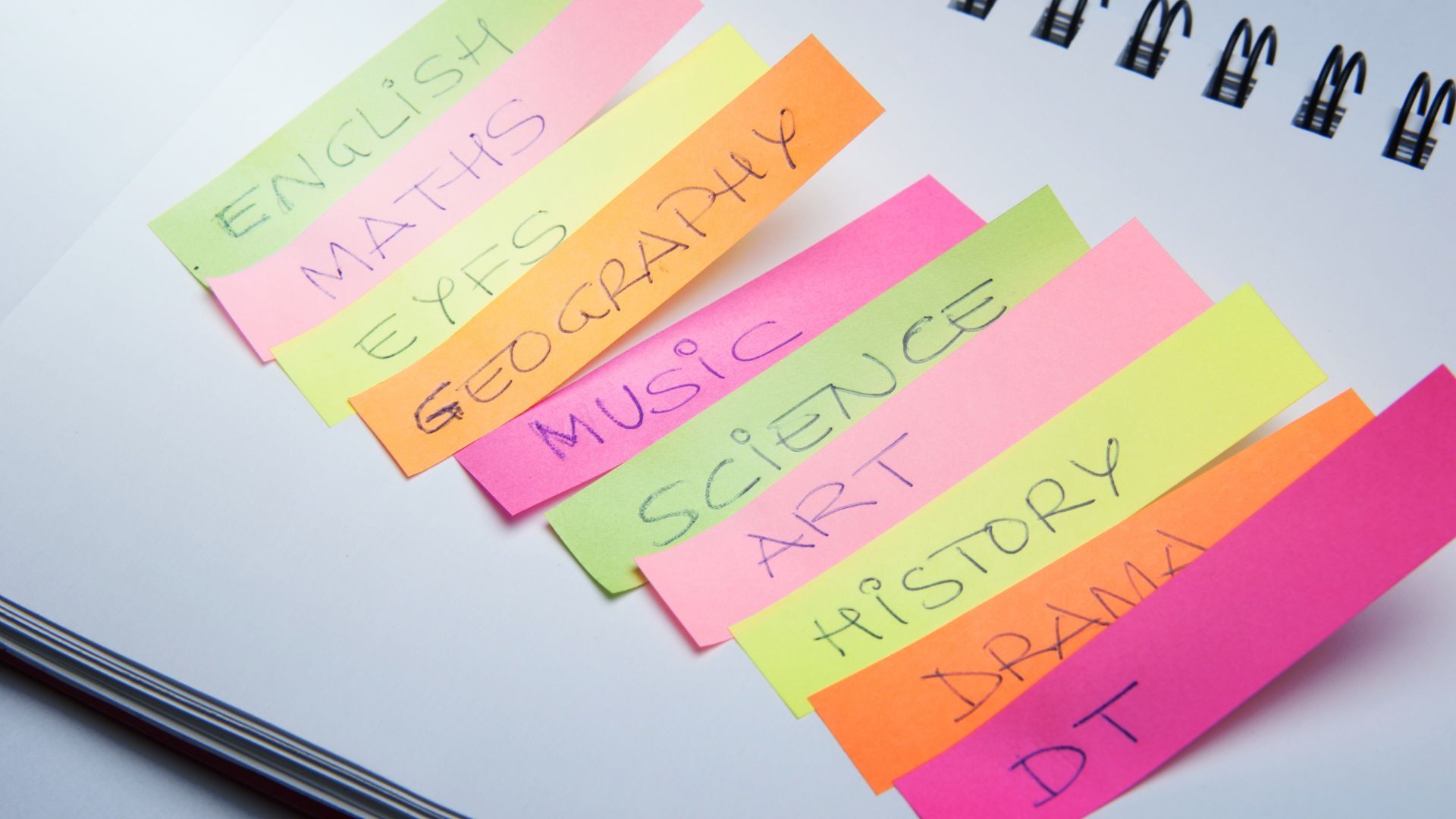
Choosing IB subjects? Align your HL/SL choices with university requirements & career goals. Our strategic guide helps you avoid common mistakes for IB success.
Choosing between IB Math AA vs AI? Our guide compares the syllabus, difficulty, and university prerequisites for both SL and HL. Make the best choice for your future.
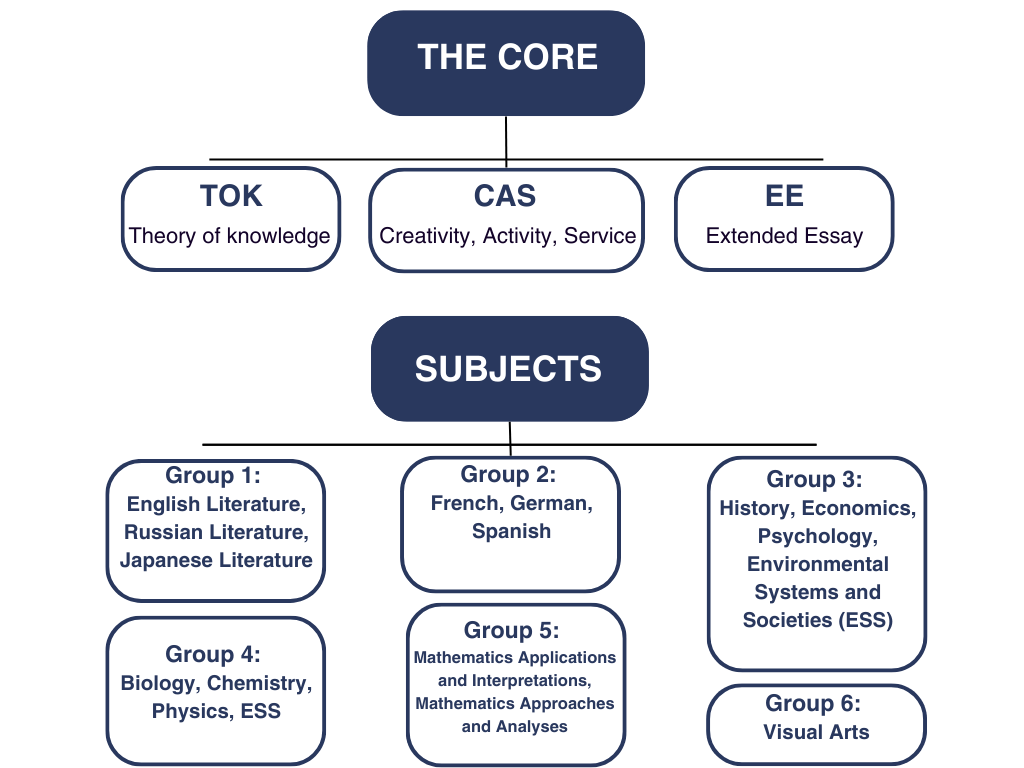
Find the hardest IB Diploma subject combinations, understand what makes them challenging, and learn how to choose a tough but sustainable course lineup.

Choosing your IB subjects is key. Learn how to align your choices with university course requirements and career aspirations to keep your options open and succeed in the IB Diploma.
Discover the hardest IB subjects based on 2019 average score statistics. Learn which IB courses had the lowest scores to inform your subject choices.

Learn how to select the easiest IB subject combination for a higher score, according to 2019 statistics. Discover which courses offer the best chance for grading success.
Decoding IB Scores: What's a 'Good' Score for Your Dream University? Find score ranges from minimum pass to competitive entry requirements for Oxford, Cambridge, and Ivy League.
600+ handpicked tutors from across the world with the best background and experience.


Geography shouldn't limit your potential. Lanterna provides premium online IB tutoring across the world, being partners with 250+ IB schools worldwide. Our country guides explore how the IB landscape shapes up and how our tutoring supports it perfectly.

1 hour of online tutoring in any subject with a 40+ IB graduate who scored a 7 in your subject.
No strings attached. By filling out the form you accept our T&Cs.
We are IB experts committed to achieving your academic goals.