
Graduates
- Scored 40+ in the IB and 7s in the subjects they teach.

Choosing IB subjects? Align your HL/SL choices with university requirements & career goals. Our strategic guide helps you avoid common mistakes for IB success.

Choosing your IB subjects can feel daunting, especially when you’re told they might influence your university applications and career direction. Suddenly, six subjects can feel like six life decisions.
The good news? Subject choice isn’t about getting everything “perfect”. It’s about building a combination that plays to your strengths, keeps your workload manageable, and supports your future goals. This guide breaks down how to approach IB subject selection thoughtfully, balancing what you enjoy with what will help you move forward confidently.
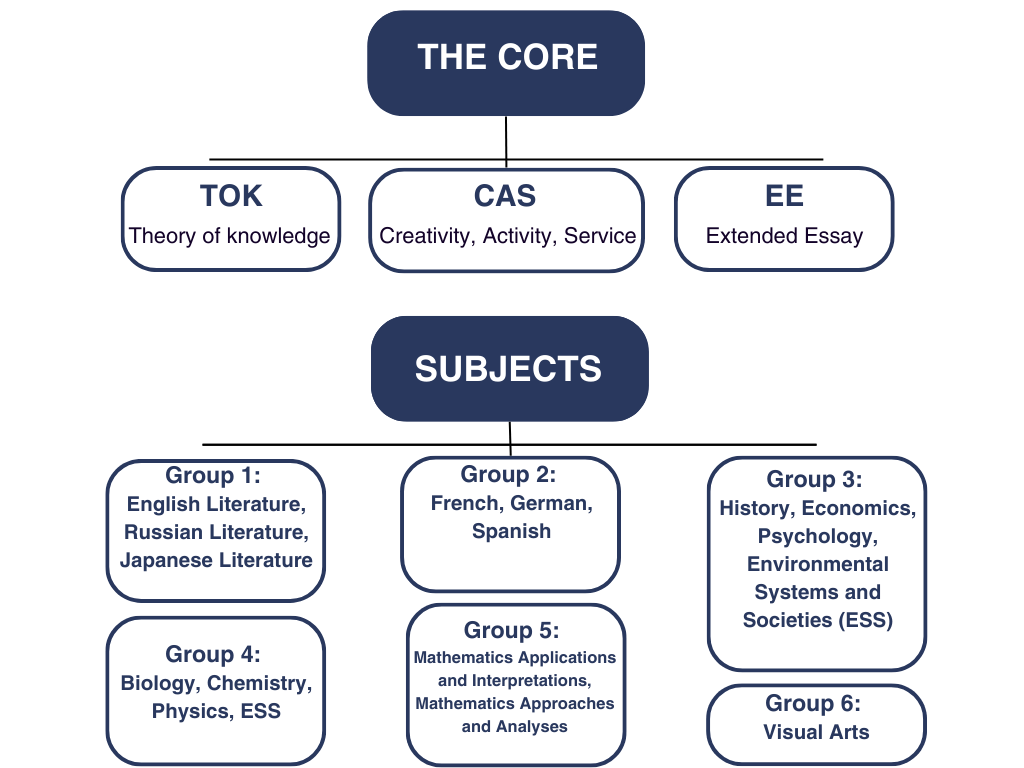
Before you can strategize, you need to understand the basic structure of the IB Diploma Programme. You'll choose six subjects, one from each group below (or a substitute for Group 6).
You'll take three or four subjects at Higher Level (HL) and the rest at Standard Level (SL). The difference is significant: HL courses cover more content, go into greater depth, and represent 240 teaching hours compared to 150 for SL. Universities pay very close attention to your HL choices.
This is the most critical step. Your dream university course has a "cheat sheet" for you, it's called their list of prerequisites. Don't guess what they want, take the time to look it up.
You don't need your whole life mapped out, but have a general direction. Are you leaning towards STEM, humanities, business, or the arts? Pick a few potential degree courses you're excited about.
Find 3-5 universities you might apply to (in different countries, if possible) and look up the entry requirements for those specific courses. You'll start to see patterns and define a goal for yourself.
Universities will expect a strong science and maths foundation. Non-negotiables often include:
Admissions tutors want to see strong analytical and writing skills. Powerful choices include:
Top business schools look for strong quantitative and analytical skills. Consider these:
Here, a portfolio is often key, but your subjects back it up. Obvious choices include:
Once you understand university expectations, the next step is aligning them with your own strengths and interests. The IB demands sustained effort over two years, and genuine interest is what makes that effort sustainable.
Reputation alone isn’t a good reason to choose an IB subject. If you don’t enjoy it, especially at HL, staying motivated becomes difficult and performance usually suffers. A higher grade in a subject you enjoy is far more valuable than a lower grade in one chosen for prestige.
Taking four HLs might seem impressive, but it can be a fast track to burnout. Most university offers are based on three HLs. Only take a fourth HL if:
Don't just go by the subject name. A course like History can be very different from what you studied before. Look up the IB syllabus online. How is it assessed? Is it 80% exams with long essays, or does it have a significant project component? Does the content actually sound interesting to you? This 10-minute research can save you two years of regret.
Use this table to organize your thoughts and make a final, informed decision. Sit down with your parents, a teacher, or your IB coordinator and talk it through.
| Action Step | Status (To Do / Done) |
|---|---|
| 1. Brainstorm my top 3 potential university courses. | |
| 2. Research the specific HL & SL prerequisites for those courses at 3 target universities. | |
| 3. Honestly rank all potential subjects based on (a) my interest and (b) my past grades. | |
| 4. Look up the syllabus and assessment style for my potential HL subjects. | |
| 5. Create two potential subject packages (a "safe" option and a "reach" option). | |
| 6. Schedule a meeting with my IB coordinator or school counsellor to review my plan. |
.png)
Master your IB subject choices for university. Get strategic advice on crucial SL vs. HL differences and expert pathways for STEM, Business, and Humanities degrees.

Choosing between IB Math AA vs AI? Our guide compares the syllabus, difficulty, and university prerequisites for both SL and HL. Make the best choice for your future.
Find the hardest IB Diploma subject combinations, understand what makes them challenging, and learn how to choose a tough but sustainable course lineup.

Choosing your IB subjects is key. Learn how to align your choices with university course requirements and career aspirations to keep your options open and succeed in the IB Diploma.

Choosing IB Higher Level vs Standard Level subjects is crucial. Learn five expert considerations on workload, university requirements, and IB grading to make the right choice.

Confused by the new IB Maths courses? Learn how to choose between Analysis and Approaches and Applications and Interpretation at SL or HL with this expert guide.

Learn how to choose your IB subjects wisely with 3 expert tips: think ahead for university, select HL/SL courses you enjoy, and check the IB syllabi for success.

Understand the International Baccalaureate (IB) program: its diploma structure, core components (Extended Essay, CAS, TOK), curriculum, and benefits for university success.
600+ handpicked tutors from across the world with the best background and experience.


Geography shouldn't limit your potential. Lanterna provides premium online IB tutoring across the world, being partners with 250+ IB schools worldwide. Our country guides explore how the IB landscape shapes up and how our tutoring supports it perfectly.

1 hour of online tutoring in any subject with a 40+ IB graduate who scored a 7 in your subject.
No strings attached. By filling out the form you accept our T&Cs.
We are IB experts committed to achieving your academic goals.