
Graduates
- Scored 40+ in the IB and 7s in the subjects they teach.

Unsure about the IB's AI policy? Our guide clarifies the official rules for your IAs and EEs. Learn how to use AI ethically, what to cite, and how to avoid academic misconduct.

Alright, let's talk about the elephant in the room: Artificial Intelligence. Tools like ChatGPT are everywhere, and they're incredibly powerful. Think of them as a super-advanced calculator, but for words and ideas. The IB knows this, and they haven't banned AI. In fact, they've set out clear rules for how you can use it. But here’s the catch: use it wrong, and you risk academic misconduct. Use it right, and it can be a game-changer for your IAs, EE, and exam revision.
This guide is your rulebook. We'll break down exactly what you can and can't do, how to use AI to your advantage without crossing any lines, and how to cite it properly so your work is 100% legitimate.
Here’s what we'll cover:
Before we get into the fun stuff, let's get the core principles straight. The IB's policy on AI boils down to three key ideas: Authenticity, Transparency, and Integrity.
Here are some IB-approved ways you can use AI to support your learning and make your life easier. This is all about working smarter, not harder.
Stuck on an EE topic? Need a structure for your History IA? Use AI to generate initial ideas or create a logical outline. Prompt it with your subject and a few key themes to get the ball rolling.
Faced with a dense academic journal article? Ask AI to summarize the key arguments. This should be your starting point for understanding, not a replacement for reading the source yourself!
This is a fantastic use case. Paste in your class notes and ask AI to generate flashcards, multiple-choice questions, or quizzes on specific topics. It's like having a personal revision partner.
To get top marks in subjects like TOK or Global Politics, you need to explore different perspectives. Prompt AI with your argument and ask it to "act as a critic" and provide counter-arguments. This will strengthen your own analysis immensely.
This part is critical. Breaking these rules is considered serious academic misconduct by the IB. Don't even think about it.
If you use AI in your work, you have to cite it. It’s non-negotiable. Luckily, it's quite simple. There are two main scenarios:
If you take a specific sentence, idea, or piece of data from an AI tool, you must include an in-text citation and a full reference in your bibliography.
In-Text Citation Example:
When prompted to explain the concept of cognitive dissonance, OpenAI's chatbot suggested that it is the "mental discomfort experienced by a person who holds two or more contradictory beliefs" (OpenAI, 2026).
Bibliography Entry Example:
OpenAI. (2026, January 29). ChatGPT [Large language model]. Response to prompt "Explain cognitive dissonance." https://chat.openai.com
If you used AI for brainstorming, outlining, or grammar checks, but didn't directly quote it, a specific citation isn't needed. Instead, you should add a short statement at the end of your work acknowledging its role.
Statement of Use Example:
"I used ChatGPT on January 29, 2026, to brainstorm initial ideas for my research question and to help structure the outline of this essay."
Beyond the risk of academic misconduct, over-relying on AI can actively harm your learning and your final grades. Keep these pitfalls in mind:
Ultimately, AI is a tool. A hammer is great for building a house, but it can't design the architecture. Use AI to handle the small stuff—to organize, to check, to spark ideas—but always make sure you are the architect of your own work.

What is the Extended Essay (EE)? Get a complete overview of this mandatory 4,000-word research paper in the IB Diploma Programme core.
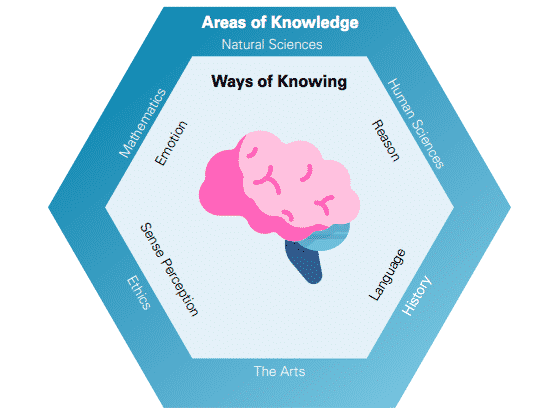
Master IB Theory of Knowledge (TOK) with our complete guide. Learn about the curriculum, areas of knowledge, and ace your TOK exhibition and essay with structure tips and examples.
.png)
A complete guide to the IB Internal Assessment. Learn how to choose a topic, manage your timeline, and structure your IA for a top grade. Includes tips for parents.
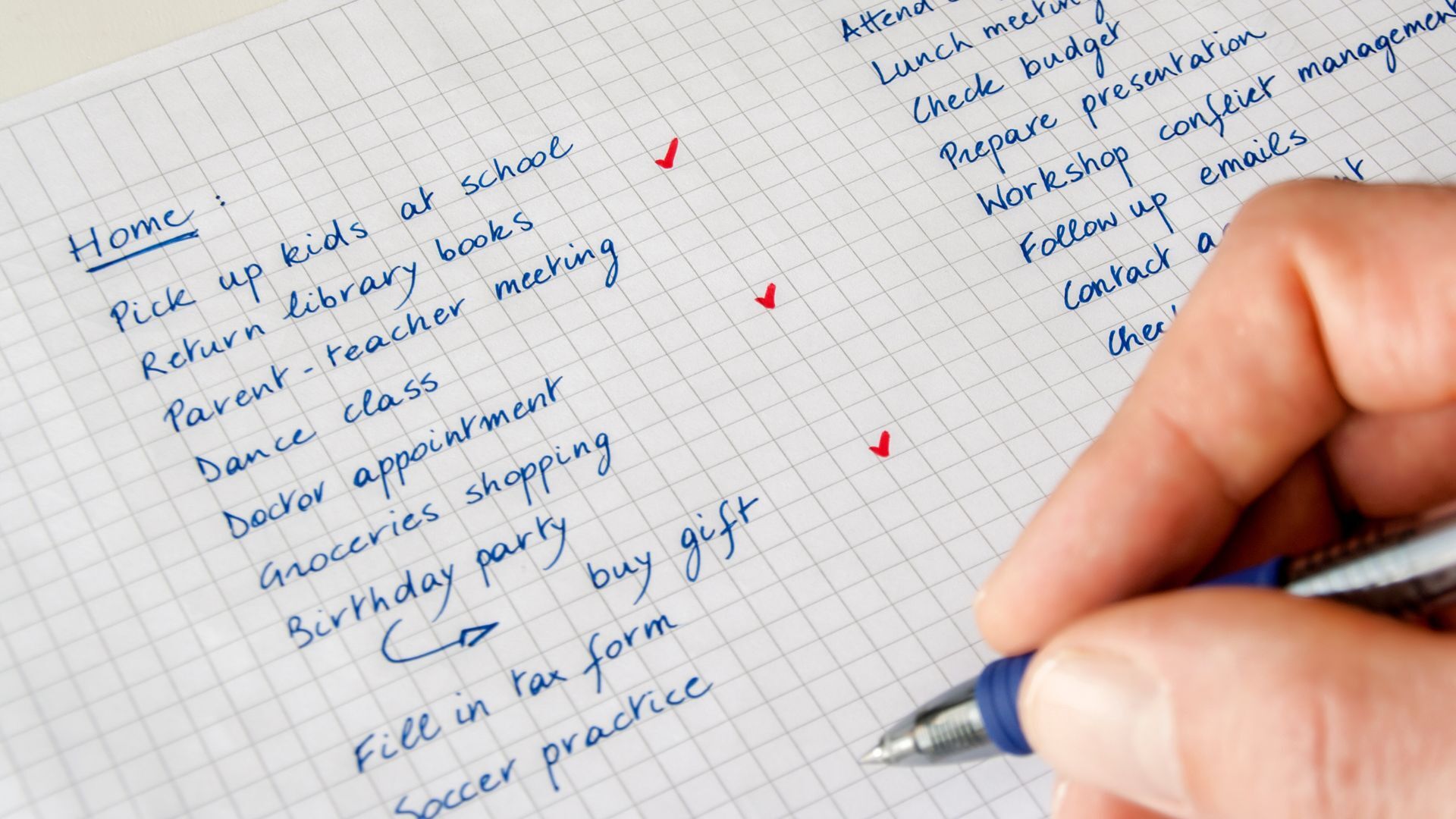
Master your IB exams by understanding key command terms. Our expert guide provides a complete list of definitions for terms like 'analyze', 'discuss', and 'evaluate'.
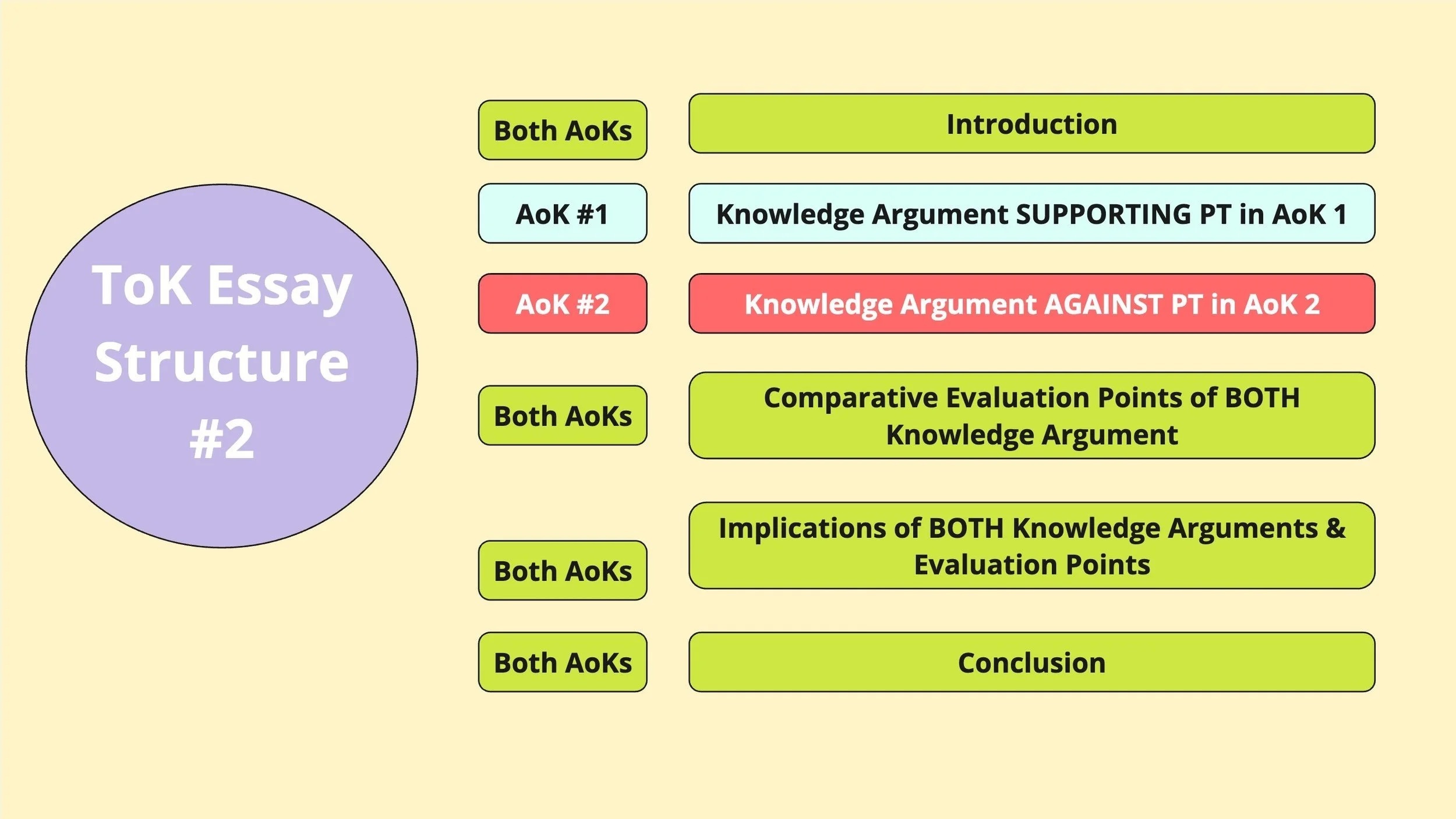
Master the IB TOK Essay structure with our complete guide. Get step-by-step outlines for your introduction, AOK paragraphs (claims/counterclaims), and conclusion to hit top markbands.

Mastering IB argumentative essays is key to top grades. Learn expert strategies for strong evidence, logical premises, and critical self-evaluation in your IB IAs and TOK Essay.

Learn how to write your IB Extended Essay (EE) with 8 expert steps, including mastering the PEEL method and using the marking criteria for a top grade.
.png)
Master IB note-taking with the ultimate guide. Discover top methods (Cornell, mind maps) and review essential apps (Notion, OneNote) to boost revision and study efficiency.
600+ handpicked tutors from across the world with the best background and experience.

Geography shouldn't limit your potential. Lanterna provides premium online IB tutoring across the world, being partners with 250+ IB schools worldwide. Our country guides explore how the IB landscape shapes up and how our tutoring supports it perfectly.

1 hour of online tutoring in any subject with a 40+ IB graduate who scored a 7 in your subject.
No strings attached. By filling out the form you accept our T&Cs.
We are IB experts committed to achieving your academic goals.