
Graduates
- Scored 40+ in the IB and 7s in the subjects they teach.

Master your IB exams! Learn how to use official IB Mark Schemes effectively to maximize your score and understand exactly what examiners look for to earn full credit.
This guide is designed to empower you, the IB student, with the insider knowledge needed to master your exams. At Lanterna, we know that understanding the examiner's perspective is the ultimate advantage. This resource will transform how you approach your studies, turning official IB Mark Schemes into your most powerful revision tool.
Think of it this way: the IB can feel like a complex maze. The mark scheme is the map, handed directly to the examiners, that guides you through every twist and turn.
By using this guide, you will be able to:
IB Mark Schemes are official documents that examiners use to grade your work. They provide a detailed breakdown of how marks are allocated for each question in an exam or for each component of an IA. They are far more than just a list of correct answers.
They tell you the examiner is looking for:
Integrating mark schemes into your study routine is a game-changer. Here’s how to do it effectively.
Before you even attempt a past paper, deconstruct the mark scheme. Your goal is to understand the rules of the game.
This is where the real learning happens. Put yourself in the examiner's shoes.
The final step is to learn from every single mistake and close your knowledge gaps.
Remember, mark schemes vary significantly between subjects. What gets you marks in History won't necessarily work in Physics.
| Subject Group | What to Focus On in the Mark Scheme |
|---|---|
| Sciences (Physics, Chem, Bio) | Look for specific keywords, units, and the marks awarded for showing your working in calculations. Precision is key. |
| Mathematics | Marks are often awarded for the correct method, even if the final answer is wrong. Always show your steps clearly. |
| Humanities (History, Econ) | Pay close attention to the Level Descriptors for essays. It's not just about what you know, but how you structure your argument and use evidence. |
| Languages (English, etc.) | Focus on the criteria for analysis, interpretation, and understanding of literary features. The mark schemes guide you on how to articulate your insights effectively. |
Using mark schemes incorrectly can be as bad as not using them at all. Steer clear of these common mistakes:
"As an IB graduate who scored 45, mark schemes were my secret weapon. I didn't just use them to check my answers; I used them to learn how to think like an examiner. For my Extended Essay and IAs, I would literally highlight every point in the assessment criteria and ensure I addressed it. For exams, after doing a practice paper, I'd create a 'perfect answer' based on the mark scheme and then compare it to my own. This process was invaluable for understanding precisely what was expected."
.png)
A complete guide to the IB Internal Assessment. Learn how to choose a topic, manage your timeline, and structure your IA for a top grade. Includes tips for parents.

Master the IB exams: Learn how to use IB past papers and mark schemes effectively throughout your revision. Understand how examiners think and analyze your mistakes with the MARCKS method.

Master your IB exams by understanding key command terms. Our expert guide provides a complete list of definitions for terms like 'analyze', 'discuss', and 'evaluate'.
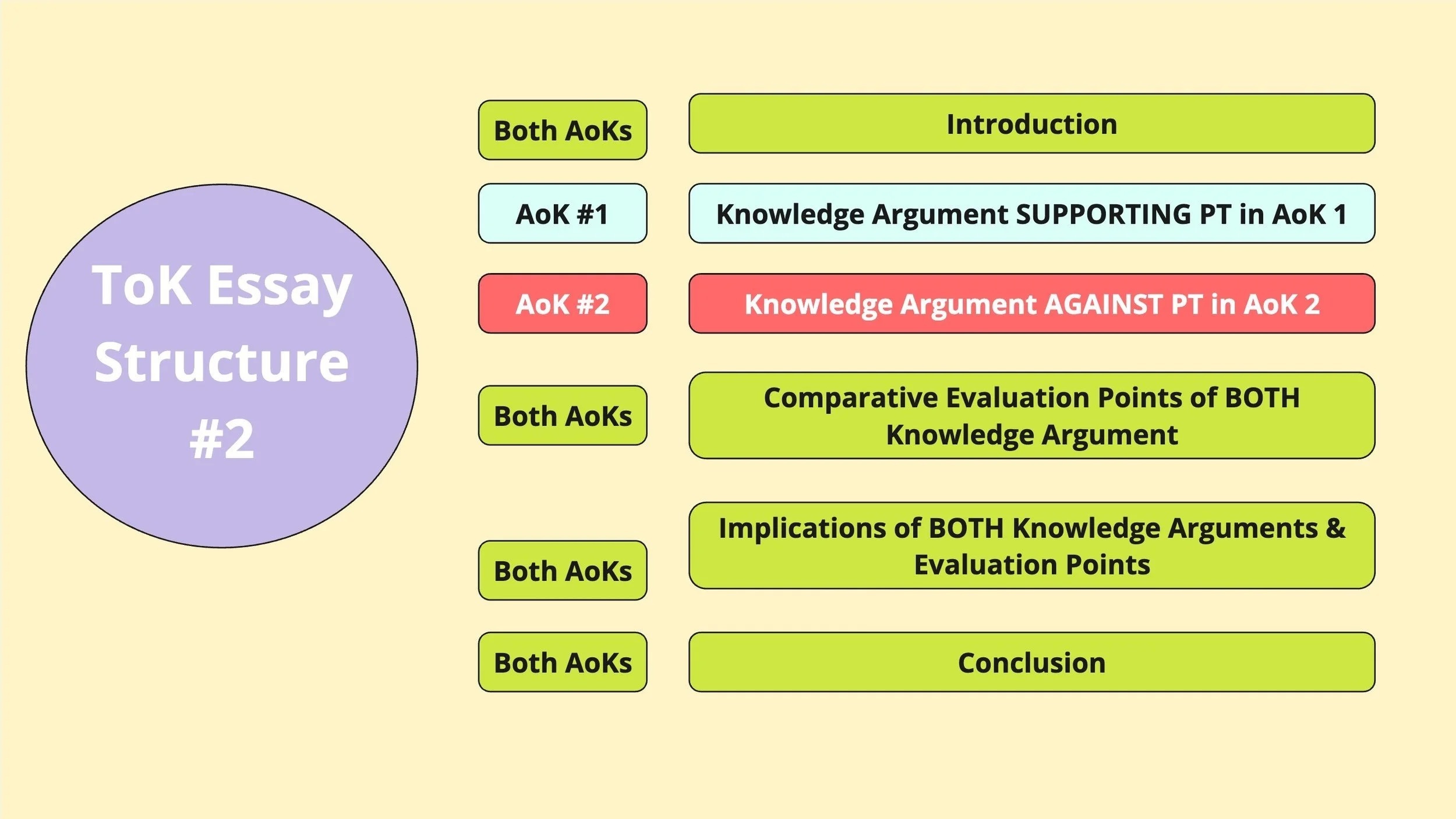
Master the IB TOK Essay structure with our complete guide. Get step-by-step outlines for your introduction, AOK paragraphs (claims/counterclaims), and conclusion to hit top markbands.

Ace your IB Mock Exams with this free, ultimate guide. Learn expert strategies to prepare effectively, avoid common pitfalls, and maximize your predicted grades.

Master your IB revision: Learn key skills and strategies, from setting goals and creating effective timetables to specialized revision tips for content and concept-heavy subjects.

IB Results Day Guide for Parents: Prepare for July 6th with tips for celebrations, handling a "near miss," calling universities, and using the remark strategy.

Struggling to start your IB IA? Learn how to plan your Internal Assessment effectively with our expert 5-point checklist for guaranteed success and better grading.
600+ handpicked tutors from across the world with the best background and experience.


Geography shouldn't limit your potential. Lanterna provides premium online IB tutoring across the world, being partners with 250+ IB schools worldwide. Our country guides explore how the IB landscape shapes up and how our tutoring supports it perfectly.

1 hour of online tutoring in any subject with a 40+ IB graduate who scored a 7 in your subject.
No strings attached. By filling out the form you accept our T&Cs.
We are IB experts committed to achieving your academic goals.