
Graduates
- Scored 40+ in the IB and 7s in the subjects they teach.

US university applications? Learn how to convert your IB points (1-7 scale) to the US 4.0 GPA system. Assess your competitiveness for Ivy League vs. State schools with this guide.
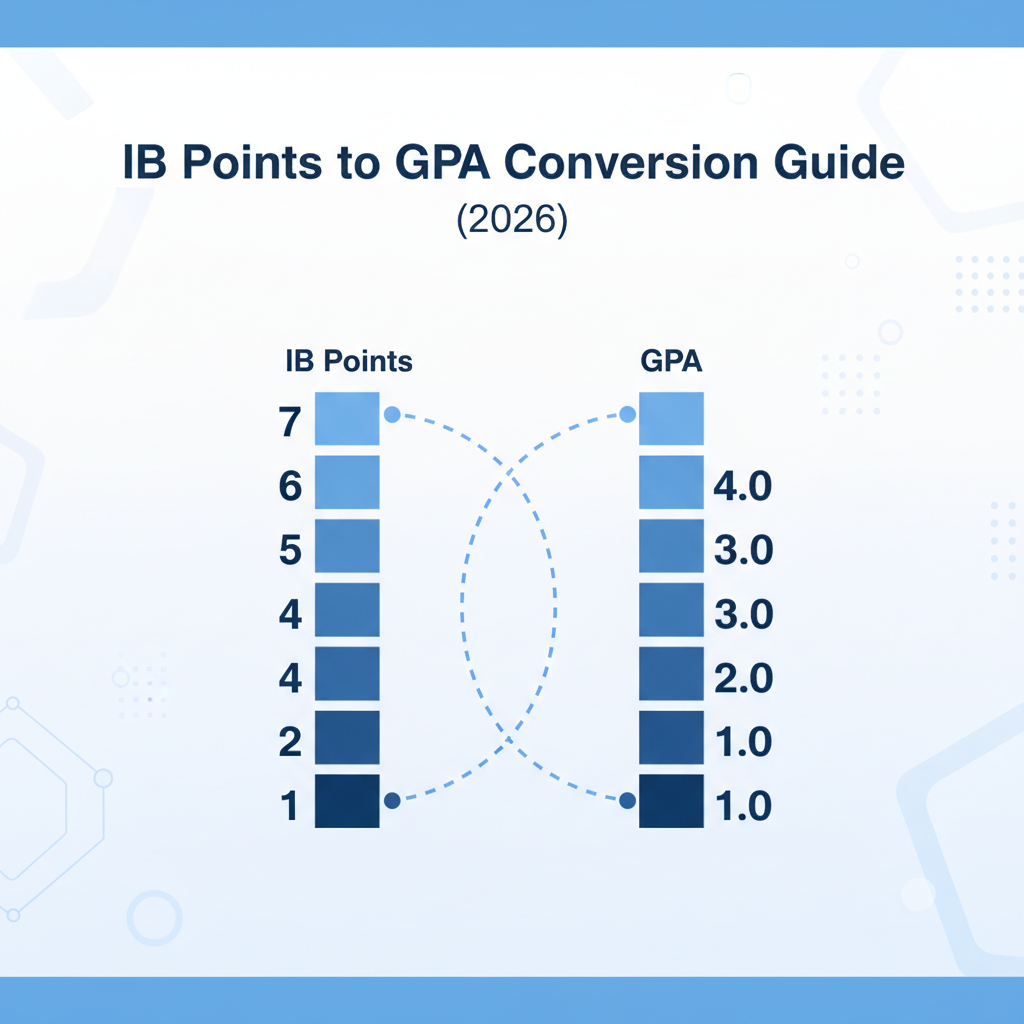
Applying to US universities as an IB student is a fantastic move, but it comes with a common headache: figuring out how your 45-point scale fits into the American 4.0 GPA system. Whether you're aiming for the Ivy League or a top state school, understanding how admissions officers see your grades is the first step to building a standout application.
Think of us as your tutors for this process. We're here to cut through the confusion and give you a clear, strategic advantage.
By using this guide, you will be able to:
The first thing to get straight is that there is no single, official conversion chart used by all US universities. Frustrating, I know! But it's actually for a good reason. US admissions is a "holistic" process, and the IB is a unique program. Here’s why a simple formula falls short:
So, if they're not just plugging numbers into a formula, what are they doing? They typically use a combination of these three approaches.
Some universities, particularly larger state schools, may assign a GPA value to each of your IB grades (1-7) to standardize applications. While this varies, a common (but unofficial) breakdown looks something like this:
They will often give more "weight" to your HL subjects in this calculation.
Highly selective universities (like the Ivy Leagues) often forego a rigid conversion. They evaluate your IB transcript on its own terms. They look for:
Yes, the lens through which your transcript is viewed can differ based on the university's selectivity.
| Institution Type | Primary Focus | What This Means for You |
|---|---|---|
| Ivy League & Highly Selective | Evidence of intellectual vitality and exceptional academic strength. They look for students at the very top of the global IB cohort. | Your overall score matters (aim for 38+), but the rigor of your individual subjects (e.g., HL Physics, HL Math AA) and your EE/TOK performance are heavily scrutinized. They want to see you've challenged yourself. |
| Top State Universities | Academic readiness and eligibility for specific programs or scholarships. They process a high volume of applications. | A strong overall score is key, as they may use a GPA equivalent for initial sorting. High scores (6s and 7s) in HL subjects can also translate directly into valuable college credit, saving you time and money. |
Your IB Diploma is a major asset. Your job is to make sure the admissions committee sees it that way. Use this checklist to ensure you're positioning yourself for success.
| Strategy | Why it Matters | My Action Point |
|---|---|---|
| Aim for Excellence Across the Board | The single most effective strategy. A high overall score (40+) and strong individual grades (6s and 7s) speak for themselves, no matter how they are evaluated. | Identify my weakest subject and dedicate one extra hour per week to it. |
| Connect Your HLs to Your Major | Shows focus and genuine interest. Applying for Engineering with HL History, Literature, and Art sends a confusing message. | Write down my intended major and check if my HLs directly support it. |
| Explain Your IB Experience | Don't assume they know every detail. Use your essays or the "Additional Information" section to briefly mention a challenging EE topic or how TOK changed your perspective. | Draft one sentence explaining how my Extended Essay prepared me for university research. |
| Research University Credit Policies | Knowing that a 7 in HL Biology gets you out of two intro classes can be a huge motivator. It also shows you're a savvy planner. | Check the "IB Credit Policy" for my top 3 university choices. |
| Secure Strong Predicted Grades | For most US application deadlines, your predicted grades are what admissions officers see first. They are critically important for making the first cut. | Schedule a meeting with my teachers/coordinator to discuss my predicted grades. |
Decoding IB Scores: What's a 'Good' Score for Your Dream University? Find score ranges from minimum pass to competitive entry requirements for Oxford, Cambridge, and Ivy League.

What IB Score Do You Need for Top Universities? See the breakdown: 24 (Pass), 30-34 (Good), 38+ (Elite). Set realistic goals for top-tier universities.
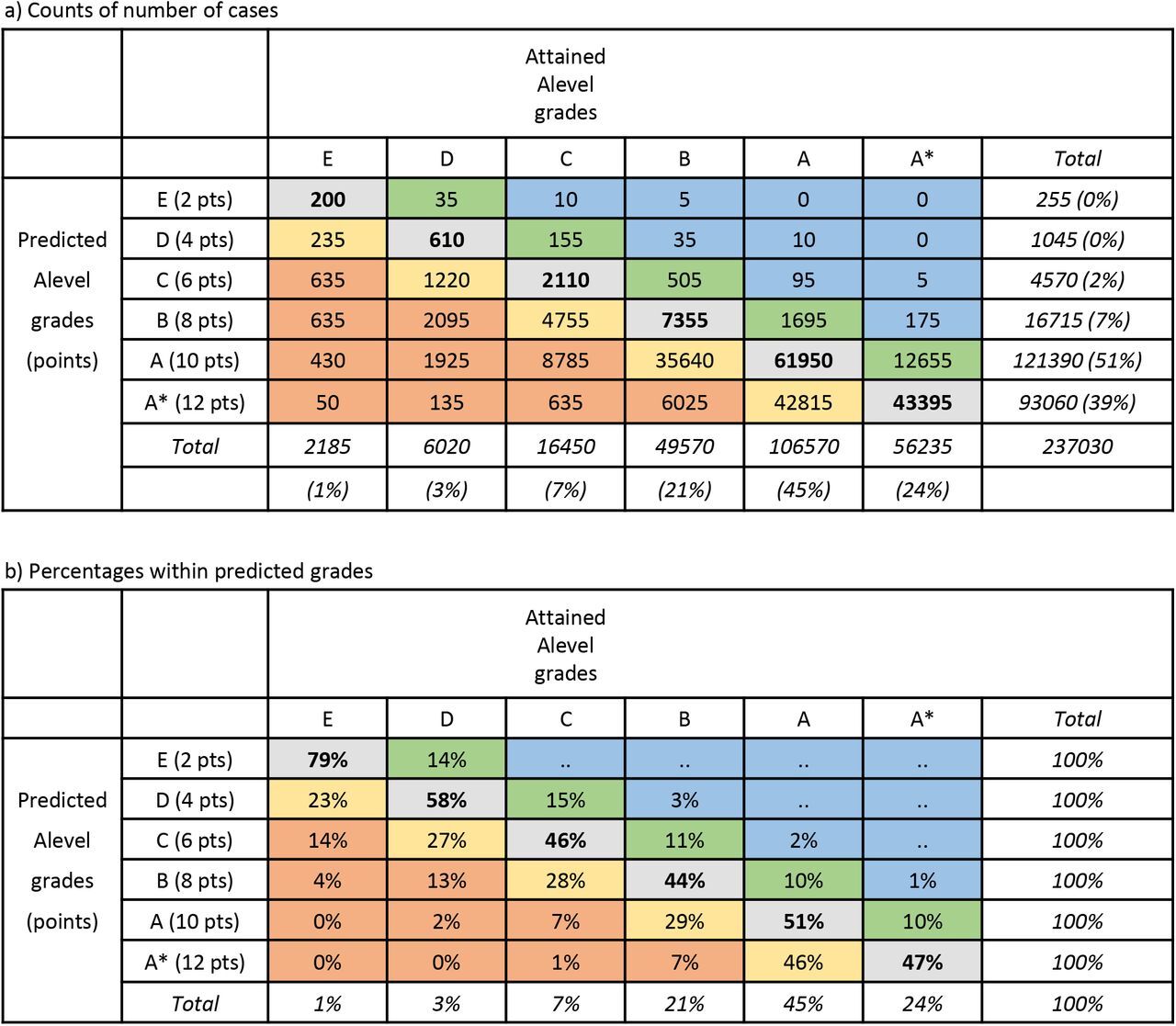
Learn how your IB predicted grades are calculated using mocks and IAs. Understand their crucial role for university offers and get expert tips for discussing them with teachers.
.png)
Learn how IB predicted grades work and why they're vital for university offers. Understand the role of mock exams and IAs, and discover what steps you can take.
Find a comprehensive list of top US universities with strong IB recognition policies, compiled by 7/7 IB graduates.
Oxbridge vs. Ivy League for IB students: Compare application styles—Oxford/Cambridge's academic focus vs. US Ivies' holistic approach (CAS, leadership).

IB vs. A-Levels vs. AP: Compare core differences in curriculum, assessment, and university recognition to choose the right pre-university path for your goals.
IB Report Card Guide for Parents: Decode "Predicted Grade," "ATL Skills," and the 1-7 scale. Learn why a '5' is a strong IB score and understand your child's progress.
600+ handpicked tutors from across the world with the best background and experience.


Geography shouldn't limit your potential. Lanterna provides premium online IB tutoring across the world, being partners with 250+ IB schools worldwide. Our country guides explore how the IB landscape shapes up and how our tutoring supports it perfectly.

1 hour of online tutoring in any subject with a 40+ IB graduate who scored a 7 in your subject.
No strings attached. By filling out the form you accept our T&Cs.
We are IB experts committed to achieving your academic goals.