
Graduates
- Scored 40+ in the IB and 7s in the subjects they teach.

Writing a motivation letter for a European university? Our expert guide shows IB students how to structure their letter, highlight their EE & CAS, and avoid clichés.
So, you're applying to universities in Europe. Awesome choice! You've probably noticed they ask for a "Motivation Letter". Don't mistake this for just another personal statement. For many European universities, especially in places like Germany, the Netherlands, and Scandinavia, this letter is your single most important chance to speak directly to the admissions committee. Your grades get you in the door; this letter gets you a seat at the table.
Think of it less as a creative writing piece and more as a professional pitch. They want to know: Why this specific program? Why this university? And why are you, with your unique IB background, the perfect fit? Let's break down how to build a letter that makes them say "We need this student".
Before you type a single word, you need a plan. A great motivation letter isn't just written; it's constructed. This involves two key phases: deep research and a rock-solid structure.
A generic letter is an instantly rejected letter. You need to show you've done your homework. Your goal is to understand the university and program so well that you can connect your own experiences directly to what they offer.
Organize your research into a clear, logical narrative. This structure makes it easy for the admissions tutor to follow your argument.
The IB gives you a toolkit of experiences that other applicants simply don't have. European universities know and respect the IB for its rigor. You need to explicitly connect the dots for them.
Don't just list them. Explain how the depth of study in your HL subjects directly prepared you for university-level work in your chosen field. Admissions tutors often see HL courses as equivalent to first-year university modules, so this is powerful proof of your readiness.
The IB Core is your chance to showcase university-level skills. Don't assume they'll know what the EE or TOK is—briefly explain it and focus on the skills you developed.
Finally, let's make sure your letter is polished and professional. Avoid the common traps that get other applications tossed aside.
✓ Be Specific & Provide Evidence: Don't just say you have "good research skills." Talk about your EE research process. Don't just say you're a leader; describe a time you led a CAS project.
✓ Personalize Everything: Tailor every single letter. Name the university, the program, and specific courses or professors. A generic letter screams "I don't care that much."
✓ Show, Don't Tell: Instead of saying "I am a determined student," describe a challenging academic project and how you overcame obstacles to complete it.
✓ Focus on Mutual Benefit: Explain what you will bring to their university community. Are you collaborative? Do you have a unique international perspective from your IB experience? Show them it's a two-way street.
✓ Proofread. Then Proofread Again: Spelling and grammar errors are the fastest way to look unprofessional. Read it aloud, use a tool like Grammarly, and have a teacher or parent read it over.
✗ "I've always been passionate about..." This is the most overused opening line in history. Instead, start with a specific academic or personal experience that sparked your interest.
✗ Rehashing Your CV: They already have your transcripts and activity list. Your letter is for the story and motivation behind those facts. Use it to explain your journey, not just list the stops.
✗ "I want to make the world a better place." It's a nice sentiment, but it's too vague. Instead, describe a specific problem in your field you want to help solve and how this degree will give you the tools to do so.
✗ Forced Humor or Overly Fancy Language: Be authentic and professional. Clear, direct language is always more effective than trying to use complex words you're not comfortable with.
✗ Vague Compliments: Saying "Your university has an excellent reputation" is meaningless. Instead, say "I was drawn to your university because of its pioneering research in nanotechnology, particularly Professor Smith's work on..."
Master your IB personal statement and motivation letter. Learn to structure compelling applications and use your EE, CAS, and TOK experience to impress university admissions.
Master your university application with "Before vs. After" motivation letter examples. Learn what admissions officers want to see and how to showcase your IB experience.

IB parents: Navigate college applications with this guide. Get expert tips on deadlines and proofreading while supporting your IB student's ownership of the process.
Get your free IB University Application Checklist: a timeline of key tasks (research, personal statements, recommendations) aligned with your IB schedule.
Oxbridge vs. Ivy League for IB students: Compare application styles—Oxford/Cambridge's academic focus vs. US Ivies' holistic approach (CAS, leadership).

Learn how to apply to Netherlands universities as an IB student. Get expert insights on application deadlines, entry requirements (like the 33-point average DP score), and low tuition costs.
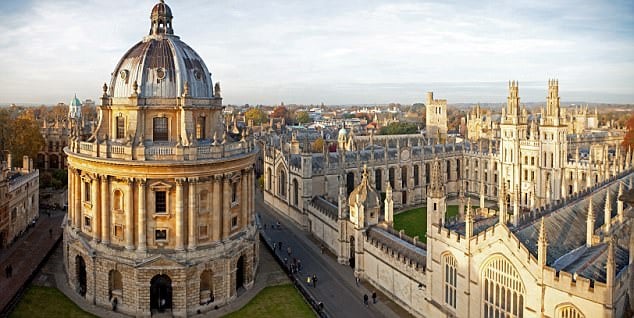
Learn how to ace your IB UCAS Application with this expert, step-by-step guide. Master your Personal Statement and ensure your predicted IB grades match your school's reference.
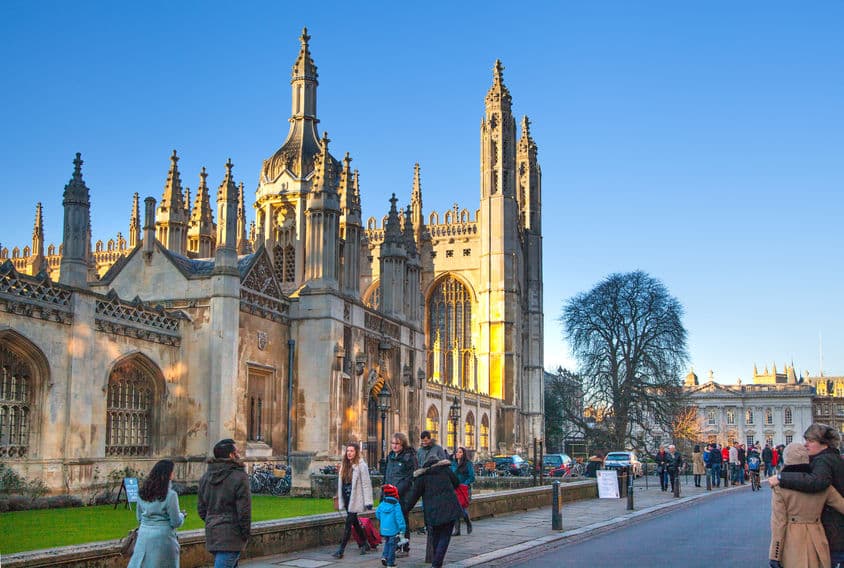
Learn how to ace your Oxbridge interview with expert IB tips from an Oxford alumnus. Get crucial advice on aptitude tests, reading, and interview day preparation.
600+ handpicked tutors from across the world with the best background and experience.


Geography shouldn't limit your potential. Lanterna provides premium online IB tutoring across the world, being partners with 250+ IB schools worldwide. Our country guides explore how the IB landscape shapes up and how our tutoring supports it perfectly.

1 hour of online tutoring in any subject with a 40+ IB graduate who scored a 7 in your subject.
No strings attached. By filling out the form you accept our T&Cs.
We are IB experts committed to achieving your academic goals.