
Graduates
- Scored 40+ in the IB and 7s in the subjects they teach.

Discover how to best support your child through the IB. Our expert guide offers parents practical advice on fostering independence, creating study schedules, and encouraging strong teacher communication.

The International Baccalaureate is designed to do more than just teach subjects; it's built to cultivate independent, lifelong learners. As a parent, one of the most powerful things you can do is help your child develop the self-reliance needed to thrive in the IB and beyond. But it's a tricky balance between supporting and smothering, guiding and dictating.
This guide provides practical strategies, rooted in the IB's own philosophy, to help you transition from being the "manager" of your child's education to their most trusted "consultant."
By the end of this guide, you will have a clear framework for:
Independence starts with taking ownership. The IB workload is demanding, and students who can manage their own time, space, and tasks are at a significant advantage. Your role is to create an environment where these skills can flourish.
Predictability creates accountability. A consistent structure helps your child internalize time management and reduces the need for constant reminders.
From small chores to big academic projects, give your child opportunities to see tasks through from start to finish. This builds confidence, perseverance, and problem-solving skills.
One of the most common friction points between IB students and parents is planning. Instead of imposing a schedule, guide your child to build their own. A schedule they create is one they are far more likely to follow.
Sit down with your child and map out everything on their plate: the six subjects, IAs, the Extended Essay, TOK, and CAS commitments. Seeing it all visually helps them understand why a structured plan is a tool for freedom, not a prison.
Not all tasks are created equal. Teach them to categorize their to-do list to focus their energy where it matters most. This is a skill they will use for the rest of their lives.
| Urgent | Not Urgent | |
|---|---|---|
| Important | Do First (e.g., IA draft due tomorrow, studying for a test today) | Schedule (e.g., Long-term EE research, planning CAS project) |
| Not Important | Delegate/Minimize (e.g., Responding to non-essential group chat messages) | Eliminate (e.g., Mindless scrolling, time-wasting activities) |
The 4,000-word Extended Essay or a complex Science IA can feel overwhelming. Help your child break these "monster" tasks into small, manageable chunks with their own mini-deadlines. For example:
As children get older, it's natural for parents to be the primary point of contact with the school. In the IB, however, it's vital to empower your child to advocate for themselves. Direct communication with teachers builds maturity and problem-solving skills.
When a student asks for help or clarification directly, it shows teachers they are engaged and taking ownership of their learning. It also allows them to build relationships that can be invaluable for feedback and even university recommendation letters.
Your role is shifting. A coach provides resources, asks powerful questions, and trusts the player to perform on the field. A micromanager tries to control every move. Here’s a quick guide to staying in the coaching zone.
| The Micromanager Does This... | The Supportive Coach Does This... |
|---|---|
| Dictates a rigid schedule and checks up on it constantly. | Asks about their plan: "What does your week look like? How are you planning to tackle that History essay?" |
| Immediately tries to solve a problem when they're stressed. | Listens and validates their feelings: "It sounds like you're feeling really overwhelmed. That's understandable." |
| Focuses exclusively on grades and outcomes. | Celebrates effort and progress: "I saw how hard you worked on that TOK presentation. You should be proud of it." |
| Does the "admin" for them (e.g., emailing teachers, chasing deadlines). | Provides them with the tools and prompts them to act: "The deadline is coming up. What's your strategy for getting it submitted on time?" |

Worried about IB academic pressure? Our expert guide gives parents communication strategies to support their child, manage stress, and promote lasting well-being.

Help your child thrive during the IB Diploma journey. Get practical, expert advice on managing pressure, deadlines, and time management from a recent IB graduate.
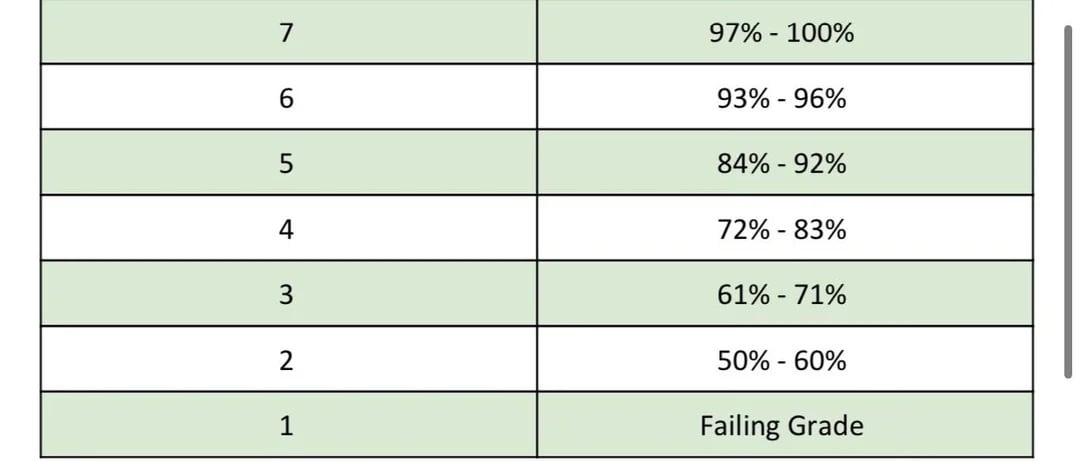
IB Grades Explained: A parent guide to interpreting the 1-7 scale and understanding teacher feedback for student growth and improvement.
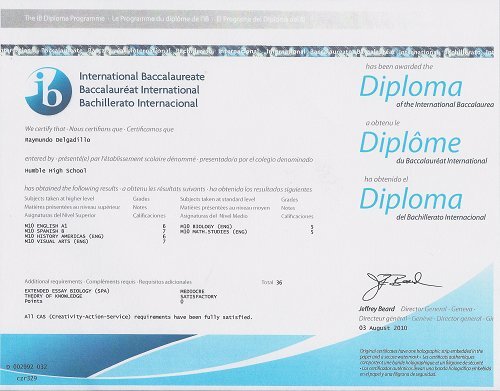
IB Results Explained for Parents: Free guide by 7/7 grads on interpreting your child's July scores (points, pass conditions) and university implications.
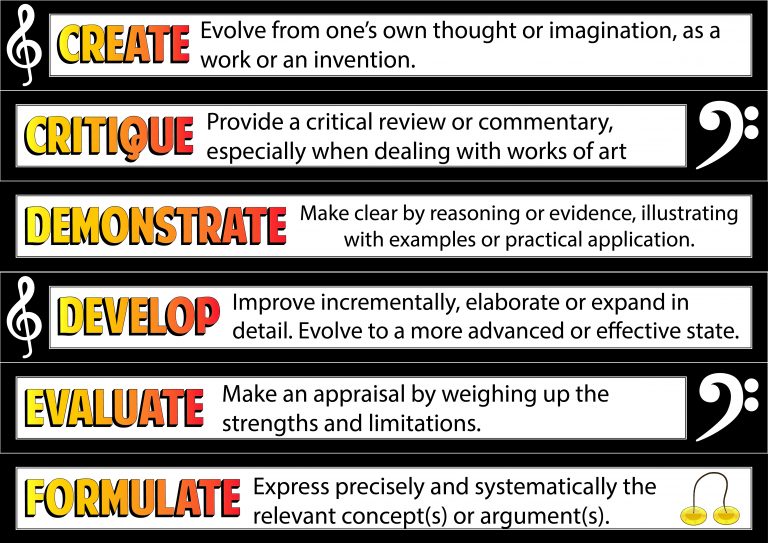
IB Jargon Demystified for Parents: Translate TOK, HL, SL, IA, and Predicted Grades to easily understand school communications.

IB Myths vs. Facts for Parents: Address misconceptions like "IB will overwhelm my child" and discover how consistent work leads to success and a positive mindset.

Master the demanding IB environment. Get essential tips and strategies on how to stay organized, manage your time, and set yourself up for success in the Diploma Programme.
.png)
Master IB note-taking with the ultimate guide. Discover top methods (Cornell, mind maps) and review essential apps (Notion, OneNote) to boost revision and study efficiency.
600+ handpicked tutors from across the world with the best background and experience.


Geography shouldn't limit your potential. Lanterna provides premium online IB tutoring across the world, being partners with 250+ IB schools worldwide. Our country guides explore how the IB landscape shapes up and how our tutoring supports it perfectly.

1 hour of online tutoring in any subject with a 40+ IB graduate who scored a 7 in your subject.
No strings attached. By filling out the form you accept our T&Cs.
We are IB experts committed to achieving your academic goals.