Lanterna Education | Online IB Tutoring
No-YOGParentsAbout the IBMocks & Predicted GradesIAsEE

Parent Guide: Track DP1 Progress & Grades

IB Guide for Parents: Easily monitor your DP1 student's academic progress. Understand the 1-7 grading scale and get tips on staying informed without micromanaging.

Author
Huaijin (Rose) Xu
April 5, 20266 min read
Banner

A Parent's Guide to Tracking DP1 Progress & Grades

Navigating the first year of the IB Diploma Programme (DP1) can feel like learning a new language. You want to support your child, but the unique grading systems and new acronyms (EE, TOK, IA) can be overwhelming. This guide is designed to give you the insider knowledge you need to confidently monitor your child's journey without resorting to micromanagement.

At Lanterna, our tutors are all IB graduates. We know that DP1 is where the foundation for success is built. Understanding the key milestones and how progress is measured is the first step to becoming your child's most effective supporter.

By using this guide, you will be able to:

  • Demystify the IB 1-7 Grading Scale and what it really means.
  • Identify the key academic checkpoints your child will face in DP1.
  • Decode school reports and understand the concept of "Predicted Grades".
  • Strike the right balance between supporting and fostering independence.

Decoding the IB 1-7 Grading Scale

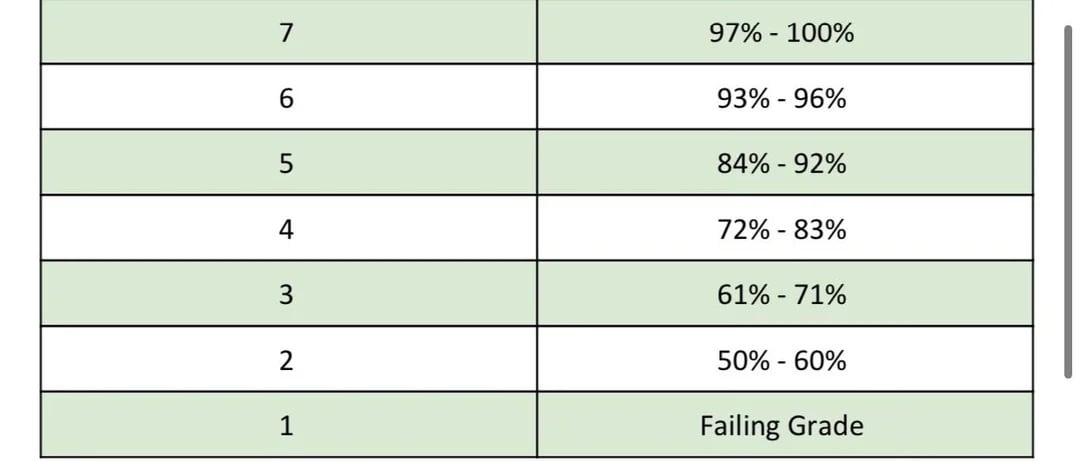
The first thing to get your head around is that the IB doesn't use A's, B's, or percentages like other systems. Each subject is graded on a scale from 1 (lowest) to 7 (highest). Think of it less as a percentage and more as a specific level of mastery.

Score Descriptor What it Means in Plain English
7 Excellent Your child has a deep, comprehensive understanding and can apply their knowledge flawlessly. This is the top tier.
6 Very Good A strong, thorough performance with very few gaps in knowledge. An outstanding result.
5 Good A solid grasp of the subject material. They know their stuff but may have some minor areas to polish.
4 Satisfactory This is the passing grade. It shows an acceptable understanding of the basic requirements of the course.
3 Mediocre There are significant gaps in understanding. This is a warning sign that intervention is needed.
2 Poor A very weak understanding of the course content. Urgent support is required.
1 Very Poor Shows minimal engagement or understanding of the subject.
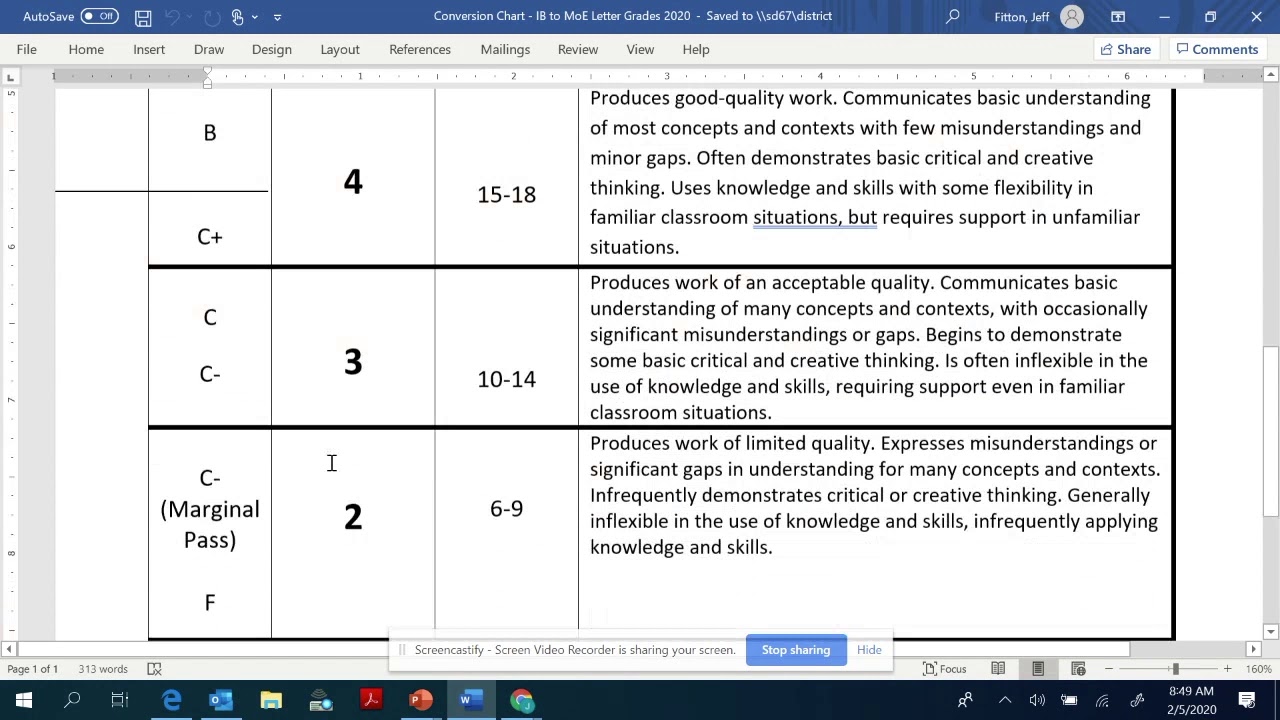
The Lanterna Tip: IB grades are "criterion-referenced". This means your child is measured against a fixed set of standards, not against the other students in their class. This is why you'll sometimes see report cards with scores for different criteria (e.g., Criterion A, B, C, D) before the final 1-7 score is given.

The DP1 Academic Roadmap: Key Milestones

DP1 isn't just about learning content; it's about starting the major projects that define the diploma. While the final exams are in DP2, the groundwork is laid right here. Here’s what to look out for:

  • Internal Assessments (IAs): These are major projects (essays, lab reports, investigations) for each subject. While the final versions are usually submitted in DP2, the process of choosing topics, conducting research, and writing first drafts often begins in DP1. This is a huge part of the final grade.
  • The Extended Essay (EE): This is a 4,000-word independent research paper on a topic of your child's choice. In DP1, they'll be expected to select a subject, formulate a research question, and start their initial research and outlining.
  • Theory of Knowledge (TOK): This course is all about critical thinking. In DP1, they'll learn the core concepts and likely complete a practice presentation or plan their final essay.
  • CAS (Creativity, Activity, Service): This isn't graded with points, but it's a mandatory pass/fail component. Your child needs to be consistently logging experiences throughout DP1 and DP2. Check in to see if they've started this early.
  • Mock Exams: Many schools run end-of-year exams for DP1 students under formal conditions. These are a crucial wake-up call and a key indicator of progress. Their performance here heavily influences their predicted grades.

Making Sense of Report Cards & Predicted Grades

IB report cards can be confusing. You’ll see the 1-7 grade, but also comments and sometimes scores for individual "criteria." Here's how to interpret them:

  • Focus on the Comments: The teacher's qualitative feedback is often more valuable than the number. It tells you why your child received that grade and pinpoints specific areas for improvement (e.g., "needs to develop analysis," "must show working more clearly").
  • Track Progress Over Time: Don't obsess over a single report. Look for trends. Is your child improving? Are the same issues being flagged by multiple teachers? A dip in one subject might be manageable, but a downward trend across the board needs attention.
  • Understand Predicted Grades: Towards the end of DP1 or early in DP2, teachers will issue "Predicted Grades." These are their professional estimates of what your child will achieve in the final exams. These are incredibly important—they are the grades sent to universities with their applications. A strong performance in DP1 is vital for a strong prediction.

The Parent's Playbook: Supporting Without Smothering

Your role is to be the support crew, not the manager. The goal is to build an independent, resilient learner. Here’s how to strike that balance:

  1. Schedule a Weekly "Check-in," Not a Daily "Check-up": Set aside 15 minutes once a week to ask big-picture questions: "What's on your plate this week?", "How are you feeling about the EE topic?", "Is there anything you need from me?". This respects their independence and avoids nagging.
  2. Encourage Self-Advocacy: If your child is struggling with a concept, your first question should be, "What have you tried so far?" followed by, "Have you spoken to your teacher?". Empowering them to seek help themselves is a critical life skill.
  3. Focus on Systems, Not Just Deadlines: The IB is a marathon. Instead of just asking about the next deadline, help them build sustainable habits. Is their study space organized? Are they using a planner? Are they balancing their CAS requirements with their academic work?
  4. Recognize the Signs of Burnout: The IB is tough. Look out for changes in sleep patterns, mood swings, or a loss of interest in hobbies. Remind them that breaks, exercise, and social time are not luxuries—they are essential for high performance.
  5. Praise Effort and Strategy, Not Just Grades: Instead of "Great job on the 7!", try "I saw how hard you worked on that IA research, and it really paid off." This reinforces a growth mindset, teaching them that their effort, not just their innate ability, leads to success.

Lanterna's Top Tips for DP1 Success

As IB graduates, we know what moves the needle. Here are the non-negotiables for a successful DP1:

Master the Foundations

DP2 moves fast. Use this year to ensure the core concepts in every subject are rock-solid. Don't be afraid to go back to basics.

Learn the "Command Terms"

The IB uses specific words in exam questions like "Analyse," "Evaluate," and "To what extent." Each has a precise meaning. Understanding what the examiner is asking for is half the battle. Your child should have a list of these for each subject.

Start the EE and IAs Early

These long-term projects cannot be crammed. The students who start their research and drafting in DP1 have a significantly less stressful DP2. Encourage consistent, small steps rather than last-minute panic.

Ask for Help Immediately

The culture of the IB is collaborative. Encourage your child to use their teachers' office hours, form study groups, and ask questions in class. A problem identified earlier this October is easy to fix; the same problem next April is a crisis.

Related to Parent Guide: Track DP1 Progress & Grades

Parent Guide: IB Grades Explained (1-7 Scale)
About IBExamsEETOKDP1DP2Pre-DP...

Parent Guide: IB Grades Explained (1-7 Scale)

IB Grades Explained: A parent guide to interpreting the 1-7 scale and understanding teacher feedback for student growth and improvement.

Decoding the IB Report Card: A Guide for Students & Parents
MocksAbout IBUniversityDP1DP2StudentsParents

Decoding the IB Report Card: A Guide for Students & Parents

IB Report Card Guide for Parents: Decode "Predicted Grade," "ATL Skills," and the 1-7 scale. Learn why a '5' is a strong IB score and understand your child's progress.

DP1 to DP2 Summer Support Guide
EEHolidaysStudy SkillsWellnessDP1DP2Students

DP1 to DP2 Summer Support Guide

Maximize your IB student's DP1 to DP2 summer. Get expert tips for parents on balancing rest with essential preparation for the Extended Essay (EE) and final exams.

Parent Guide: IB Results Explained
About IBExamsUniversityHL vs SLDP2Parents

Parent Guide: IB Results Explained

IB Results Explained for Parents: Free guide by 7/7 grads on interpreting your child's July scores (points, pass conditions) and university implications.

IB Predicted Grades Demystified: Your Ultimate Guide
MocksUniversityIAsUltimate GuideDP1DP2Students

IB Predicted Grades Demystified: Your Ultimate Guide

Learn how IB predicted grades work and why they're vital for university offers. Understand the role of mock exams and IAs, and discover what steps you can take.

Parent Guide: Everything DP2
IAsTOKMocksWellnessDP2ParentsStudents

Parent Guide: Everything DP2

Master DP2 with this free Parent's Checklist and Consolidation Guide. Get expert tips for parental support, plus student planners, IA trackers, and revision tools for the final IB year.

How to Support Your Child Through the IB Diploma
Study SkillsWellnessCASAbout IBDP1DP2Parents

How to Support Your Child Through the IB Diploma

Help your child thrive during the IB Diploma journey. Get practical, expert advice on managing pressure, deadlines, and time management from a recent IB graduate.

TOK Exhibition Guide (DP1)
TOKIAsUltimate GuideStudy SkillsDP1DP2Students...

TOK Exhibition Guide (DP1)

Master the IB TOK Exhibition (DP1) with this guide. Learn structure, view examples, and get tips on connecting real-world objects to knowledge questions for top marks.

Perfectly Matched Tutors

600+ handpicked tutors from across the world with the best background and experience.

Graduates

Graduates

  • Scored 40+ in the IB and 7s in the subjects they teach.

Teachers

Teachers

  • Certified educators with an average of 15 years experience.
Elite

Elite

  • Teachers with IB examiner experience or senior markers
Free IB tutoring trial

Your first hour,
on us.

1 hour of online tutoring in any subject with a 40+ IB graduate who scored a 7 in your subject.

15,000+ students
96% recommend Lanterna to friends & family

No strings attached. By filling out the form you accept our T&Cs.

Stockholm born, Globally present

We are IB experts committed to achieving your academic goals.

about us