
Graduates
- Scored 40+ in the IB and 7s in the subjects they teach.

Master the IB TOK Exhibition (DP1) with this guide. Learn structure, view examples, and get tips on connecting real-world objects to knowledge questions for top marks.
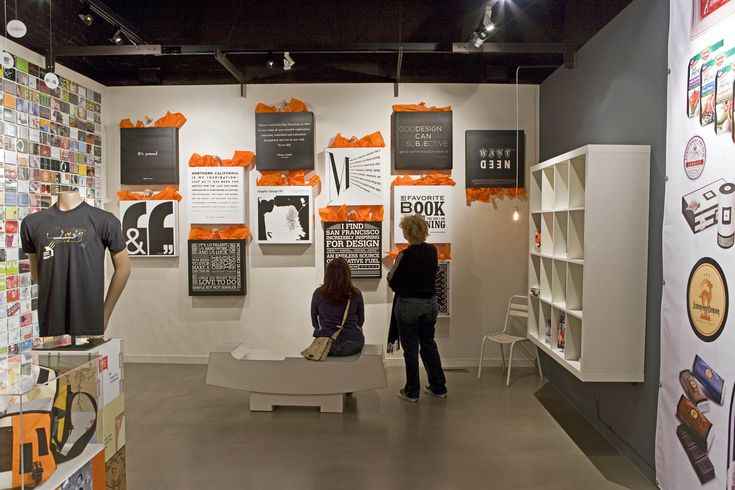
Hey there! Let's talk about one of the most interesting parts of the IB Core: the Theory of Knowledge (TOK) Exhibition. This isn't an essay or a traditional exam; it's your chance to show how TOK concepts live and breathe in the world around you. It's a significant task, making up 33% of your final TOK grade, but it's also a fantastic opportunity to showcase your critical thinking skills. This guide will walk you through exactly what you need to do to master it.
Think of this guide as your personal tutor. We'll break down the structure, help you choose powerful objects, and show you what examiners are really looking for.
Before we get into strategy, let's make sure we're clear on the non-negotiables. The TOK Exhibition is an individual project with a very specific format. Here’s the breakdown:
This is where students often get stuck, but it's also where you can set yourself up for a top grade. The key is to be specific. Vague, generic, or purely symbolic objects won't get you the marks you want. Your objects must have a specific real-world context – they exist in a particular time and place.
Here’s a comparison to get you thinking:
| Vague/Generic Object 👎 | Specific/Real-World Object 👍 |
|---|---|
| A photograph of a doctor. | A specific photograph of my grandfather receiving his medical degree in 1985, which hangs in his office. |
| The Bible. | The specific copy of the King James Bible that was gifted to me for my confirmation, with my family's handwritten notes in the margins. |
| A map. | A tourist map of London from 2005 that I used on a family holiday, which omits newer landmarks like The Shard. |
| A tweet. | A specific tweet by astronaut Chris Hadfield from the International Space Station on May 12, 2013, showing a photo of Earth. |
Your commentary is where you explain the "why." Why did you choose these objects? How do they illuminate your chosen IA prompt? The 950-word limit is tight, so every word counts. A good structure is to dedicate roughly a third of the word count (around 315 words) to each object.
For each of your three objects, your commentary must do four things:
The TOK Exhibition is assessed against a single, holistic rubric with five mark bands. To get into the top bands ("Good" 7-8 or "Excellent" 9-10), you need to move beyond a satisfactory explanation and provide a truly insightful analysis.
Here’s what a top-scoring exhibition looks like to an examiner:
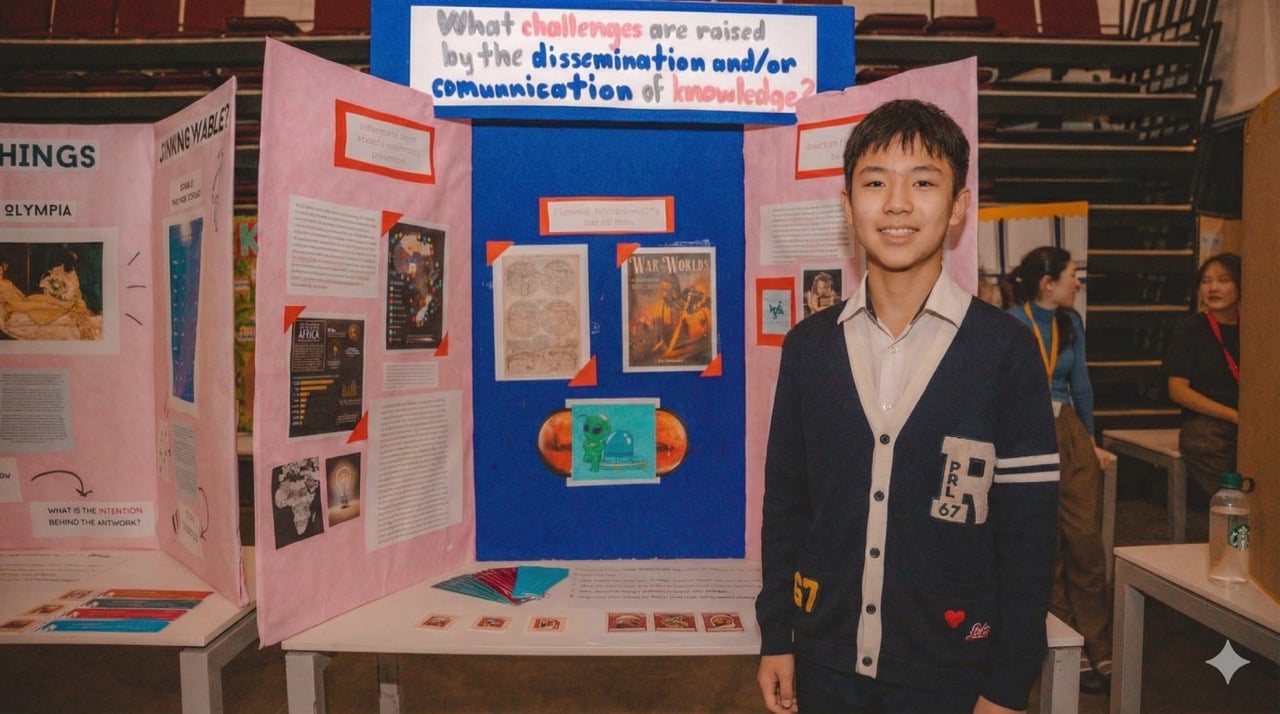
Master your TOK Exhibition! Get 35 diverse object ideas (tweet, toy, map projection) and guided questions to effectively link them to your IA prompts and core themes.
Understand the new IB TOK Exhibition. Learn how it differs from the old presentations, including objects, individual work, and the standardized assessment/grading method.
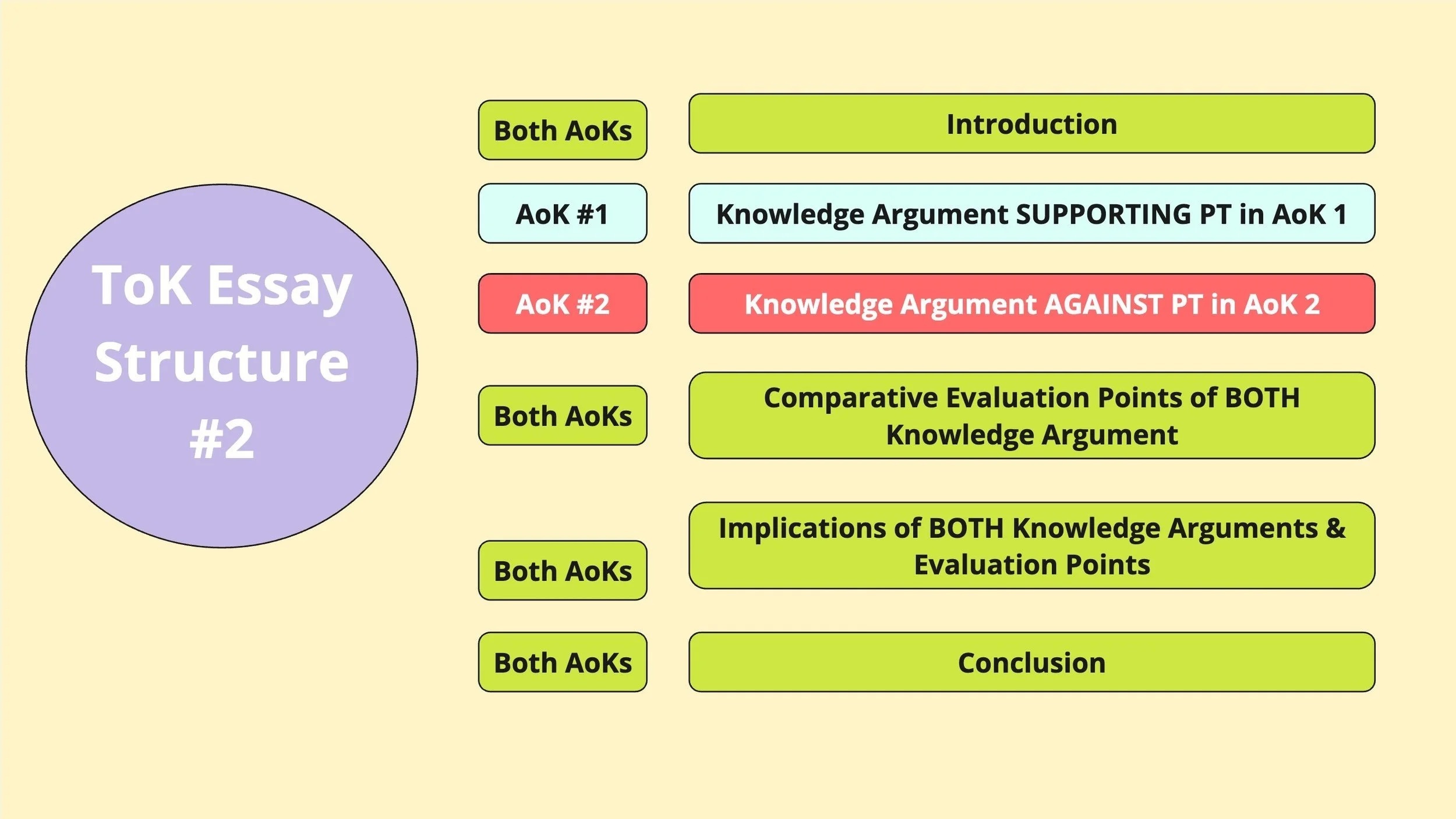
Master the IB TOK Essay structure with our complete guide. Get step-by-step outlines for your introduction, AOK paragraphs (claims/counterclaims), and conclusion to hit top markbands.
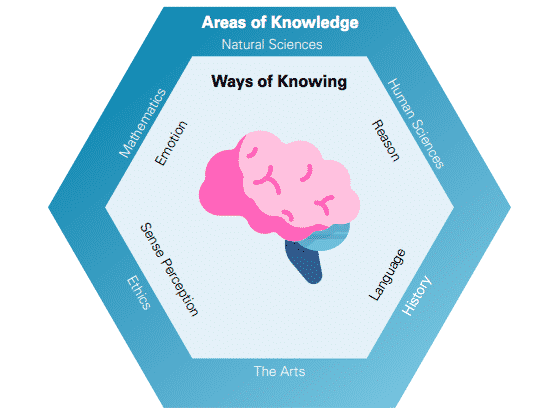
Master IB Theory of Knowledge (TOK) with our complete guide. Learn about the curriculum, areas of knowledge, and ace your TOK exhibition and essay with structure tips and examples.

Learn how to get a top grade in IB ToK with expert tips covering Shared/Personal Knowledge, Ways of Knowing, and Areas of Knowledge. Achieve those crucial core points!
Struggling with your IB TOK Presentation? Discover 20 successful TOK Presentation Ideas with examples and expert tips to ace your internal assessment.

Master the IB TOK Essay with this complete expert guide. Learn how to structure your paper, understand grading criteria, and use critical thinking skills to achieve your diploma.

Understand the New IB TOK Syllabus changes for 2020. Learn how the Exhibition and Essay work, plus mandatory Ethics, Themes, and Areas of Knowledge.
600+ handpicked tutors from across the world with the best background and experience.

Geography shouldn't limit your potential. Lanterna provides premium online IB tutoring across the world, being partners with 250+ IB schools worldwide. Our country guides explore how the IB landscape shapes up and how our tutoring supports it perfectly.

1 hour of online tutoring in any subject with a 40+ IB graduate who scored a 7 in your subject.
No strings attached. By filling out the form you accept our T&Cs.
We are IB experts committed to achieving your academic goals.