
Graduates
- Scored 40+ in the IB and 7s in the subjects they teach.

Use the IB syllabus & rubric to study better. Learn expert revision tips and understand command terms and grading criteria to maximize your IB Diploma marks.

We’re not going to sugarcoat it – the IB is a difficult diploma. Whether you went into the IB with straight A’s or if you were consistently struggling to pass, the IB is sure to prove a challenge. However, at Lanterna we’ve noticed that the majority of students make the IB even harder for themselves by not recognizing the tools the IB provides to make the diploma easier! There are tons of these, but two that we will focus on in this blog is the syllabus and rubric. How can we use these documents to make the IB easier?
If you haven’t seen one before, the syllabus (or IB Guide) is an official document the IB publishes for each subject, made available to you by your teacher. The syllabus outlines a host of things, but most notably the exact content of the course. The syllabus goes through, bullet point by bullet point, exactly what students are expected to know by their final exams. If it’s not on the syllabus, you don’t need to know it!
Most students spend the first hours of their revision simply creating their study guide. Many spend hours deciding what should be included and what shouldn’t. Why do that when the syllabus has already created it for you?
We recommend that you:
In this way you’re guaranteed to not miss out on any information the IB requires you to know, and you’ll see very quickly if there are specific sections that you’re missing information on.
You might never have heard of command terms before. Don’t worry! This is a great IB hack that can help you speed up your studying massively. Most IB subjects have a list of IB Command Terms at the end of the syllabus, along with an indication of how ‘big’ the command term is. See this example from the IB Economics syllabus:
| AO1 | AO2 | AO3 | AO4 |
| Define | Analyse | Compare (and/or Contrast) | Calculate |
| Describe | Apply | Discuss | Construct |
| List | Comment | Evaluate | Derive |
| Outline | Distinguish | Examine | Determine |
| State | Explain | Justify | Draw |
| Suggest | To What Extent | Identify… |
Each bullet point in the syllabus will start with one of these words. If the bullet point starts with an AO1 term, it means students just need ‘knowledge and understanding, an AO2 term implies ‘application and analysis’, AO3 is ‘synthesis and evaluation, and AO4 is a variety. Essentially, the higher the number, the more we need to know about that topic. For example, considering two bullet points from the syllabus:
Bullet point 1 will require more knowledge, and is more likely to be asked about in a long-answer question, as it begins with an AO3 term. Bullet point 2 is still important to know, but it will likely show up in a slightly smaller question and you will not be asked to ‘evaluate or synthesize’ about that topic.
Understanding command terms allows you to understand how much depth you need to know about all the topics you’ve been taught! If you’re spending many hours trying to deeply understand a topic that the IB only expects you to know how to define, you may be wasting your time. Take the time to learn about the command terms for each of your subjects, finding out how they manifest on each of your papers, so that you can better know how much time to spend on each topic!
As much as we love the IB Diploma at Lanterna due to the massive benefits it will give you post-graduation, we recognize that there are some inherent flaws with it. As the IB is a standardized diploma taken by hundreds of thousands of students every year, there must be an objective way for examiners to determine what grade an assessment deserves. That’s where the rubric comes in!
Each assessment you take will have a set rubric outlining exactly what students must do to achieve marks. Many students, despite advice from teachers, think that checking the rubric is a recommendation more than a requirement, and that’s where their mistake lies. Thousands of students every year write phenomenal extended essays or internal assessments, yet end up with horrible grades. Why? Though their writing may have been exquisite, their story-telling may have been immaculate, and their research divine, they may have missed out on some of the crucial aspects that the IB grades you on.
For example, for the extended essay, students are graded upon 5 criteria:
A student might make a scientific discovery, a mathematical breakthrough, or a literary analysis the likes of which have never been seen before, but unless students show evidence of each 5 of these criteria, there is no way the student will get near the highest marks for their essay.
The IB is often not a measure of intelligence, it is a measure of how well you can follow instructions.
Internalize this, and many aspects of the IB will quickly feel much more manageable.

Master your IB exams by understanding key command terms. Our expert guide provides a complete list of definitions for terms like 'analyze', 'discuss', and 'evaluate'.
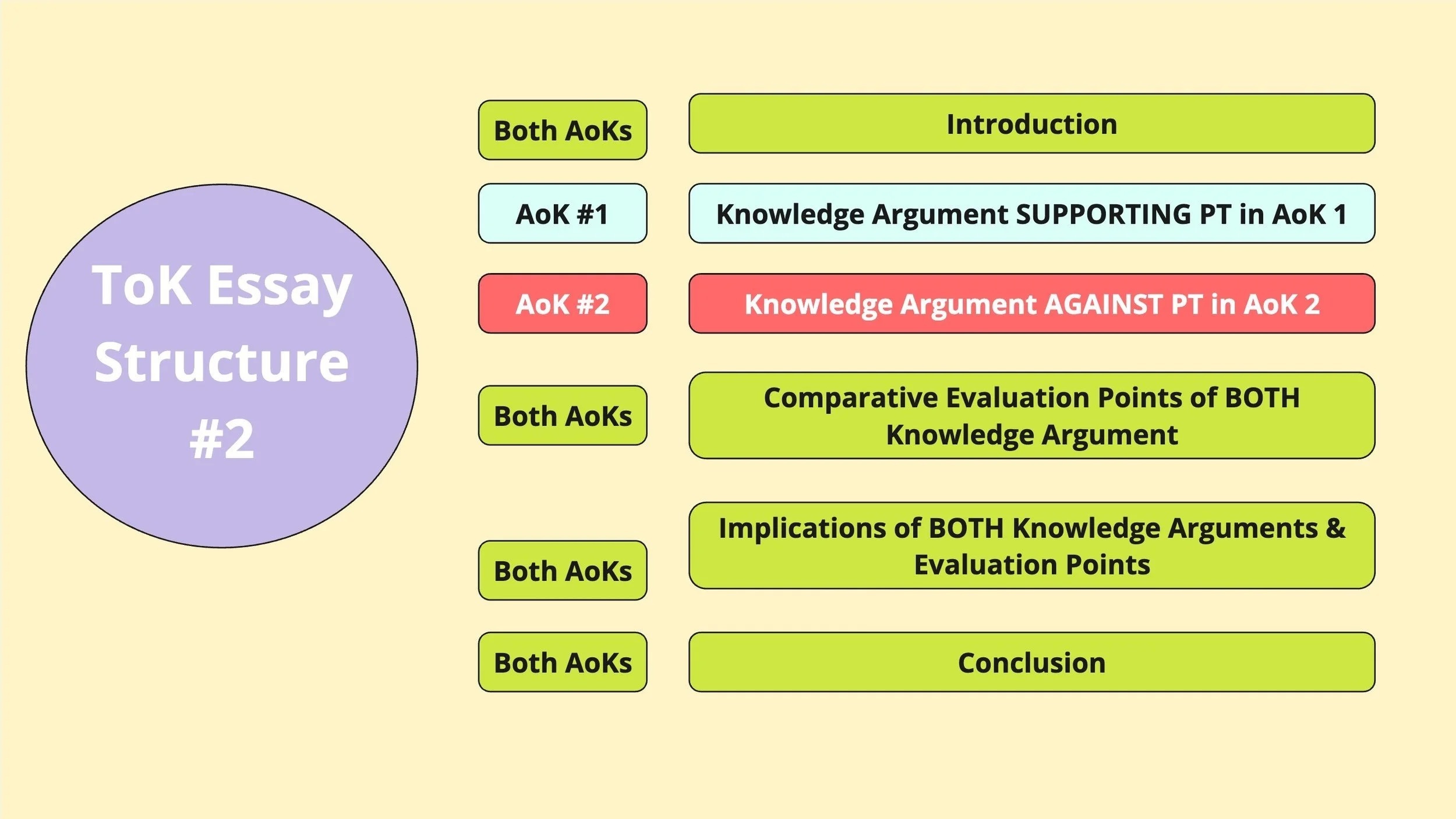
Master the IB TOK Essay structure with our complete guide. Get step-by-step outlines for your introduction, AOK paragraphs (claims/counterclaims), and conclusion to hit top markbands.
.png)
A complete guide to the IB Internal Assessment. Learn how to choose a topic, manage your timeline, and structure your IA for a top grade. Includes tips for parents.

What is the Extended Essay (EE)? Get a complete overview of this mandatory 4,000-word research paper in the IB Diploma Programme core.

Learn how to structure your IB TOK Essay step-by-step with this expert guide. Understand how examiners think and increase your TOK essay grading score with clear format tips.

Struggling to start your IB IA? Learn how to plan your Internal Assessment effectively with our expert 5-point checklist for guaranteed success and better grading.

Master the IB exams: Learn how to use IB past papers and mark schemes effectively throughout your revision. Understand how examiners think and analyze your mistakes with the MARCKS method.
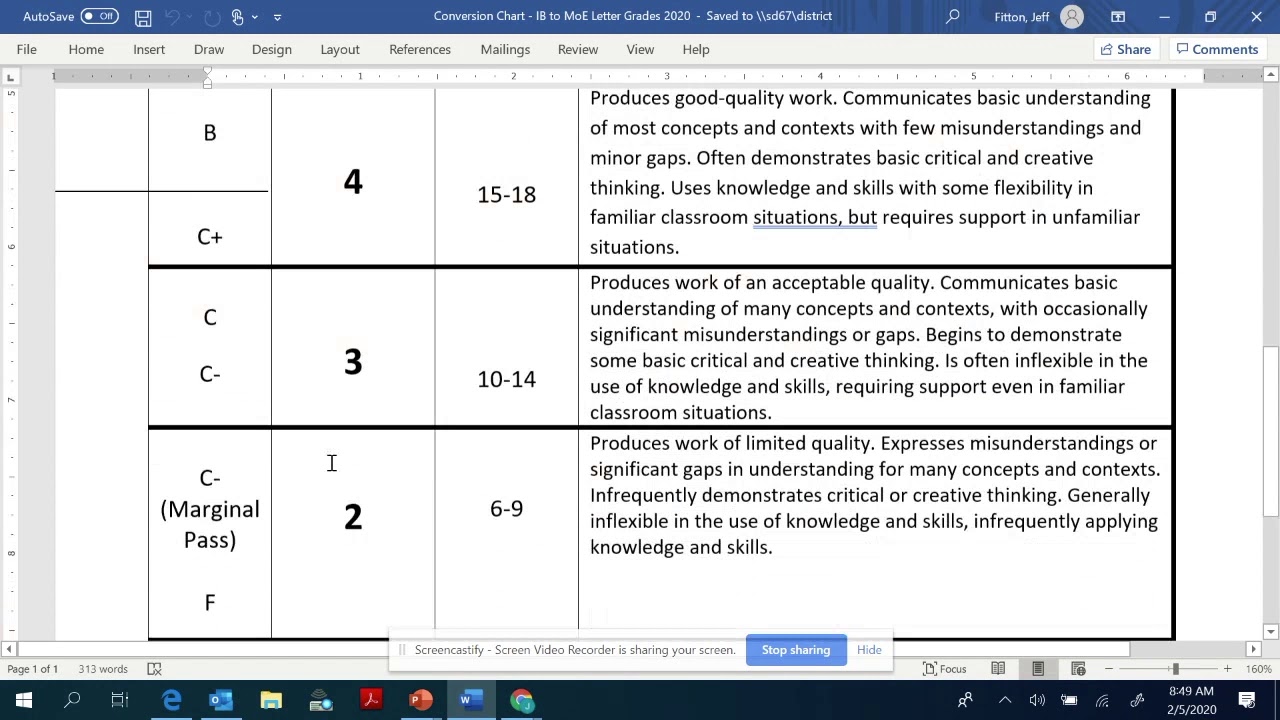
IB Report Card Guide for Parents: Decode "Predicted Grade," "ATL Skills," and the 1-7 scale. Learn why a '5' is a strong IB score and understand your child's progress.
600+ handpicked tutors from across the world with the best background and experience.


Geography shouldn't limit your potential. Lanterna provides premium online IB tutoring across the world, being partners with 250+ IB schools worldwide. Our country guides explore how the IB landscape shapes up and how our tutoring supports it perfectly.

1 hour of online tutoring in any subject with a 40+ IB graduate who scored a 7 in your subject.
No strings attached. By filling out the form you accept our T&Cs.
We are IB experts committed to achieving your academic goals.