
Graduates
- Scored 40+ in the IB and 7s in the subjects they teach.

Your expert guide to the IB Language B syllabus and assessment. Learn the five key themes and get a clear breakdown of requirements for Paper 1, Paper 2, and the Oral IA.

If you are starting or are in the middle of your IB Language B course, you might have heard about some big changes. The IB updated the syllabus back in 2020, shifting the focus from learning grammar rules to actually using a language to understand and discuss big ideas. The focus is on authentic communication and intercultural understanding. Let’s break down exactly what that means for you and your exams.
Forget arbitrary vocabulary lists. Everything you study in Language B now revolves around five core themes. Your teacher will cover these at equal length, and they will be the foundation for all your assessments. Think of them as big conversations that the IB wants you to be able to have in your target language.
How does the IB test you on this? The new assessment model is designed to test different skills across three main components. Here's the snapshot:
| Assessment Component | Weighting | Skills Tested |
|---|---|---|
| Paper 1: Writing | 25% | Written expression, understanding of text types, thematic relevance. |
| Paper 2: Listening & Reading | 50% | Receptive skills; comprehension of audio and written texts. |
| Internal Assessment: Individual Oral | 25% | Spoken production, analysis, and conversational skills. |
This is your chance to show off your writing skills. You’ll be given three prompts, each linked to a different theme, and you choose one to respond to.
They aren't just looking for perfect grammar. The examiners want to see that you can choose the correct text type (like an email, a blog post, or a formal letter), maintain the right tone, and develop your ideas clearly and relevantly to the theme.
This is the biggest component of your final grade, and for many, the listening part is the trickiest element. This paper is split into two halves:
The good news? All the information you need to answer the questions is right there in the passages. You don’t need any outside knowledge. The key is practice and learning to identify exactly what the question is asking for.
The oral exam might seem intimidating, but it's really just a structured conversation to show you can speak spontaneously. It’s marked by your teacher and moderated by an IB examiner. Here’s how it works:
The whole oral lasts between 12-15 minutes. The goal is to have a flowing, natural conversation where you express and justify your ideas with fluency and accuracy.
.png)
IB English: Lang & Lit vs. Literature? Compare syllabus, SL/HL assessments, and reading lists to choose the right course for your IB Diploma.
Master IB Language B learning techniques with top tips on reading, speaking, and listening from an IB expert. Achieve fluency and ace your language exams with effective study routines.

Deciding between IB Literature and Language & Literature? Learn the exact differences in focus, texts studied, and assessment requirements for IB English A courses.
Learn how to write a commentary for IB Language and Literature Paper 1 with an expert's 14-step guide. Master SL/HL assessment criteria and ace your IB exam.

Understand how examiners think and learn expert IB English IO revision tips, including grading criteria and structure, to smash your oral presentation.

Learn how to ace your IB French B oral exam with expert revision tips, including key grammar showcase strategies and the 3-layered analytical approach for success.
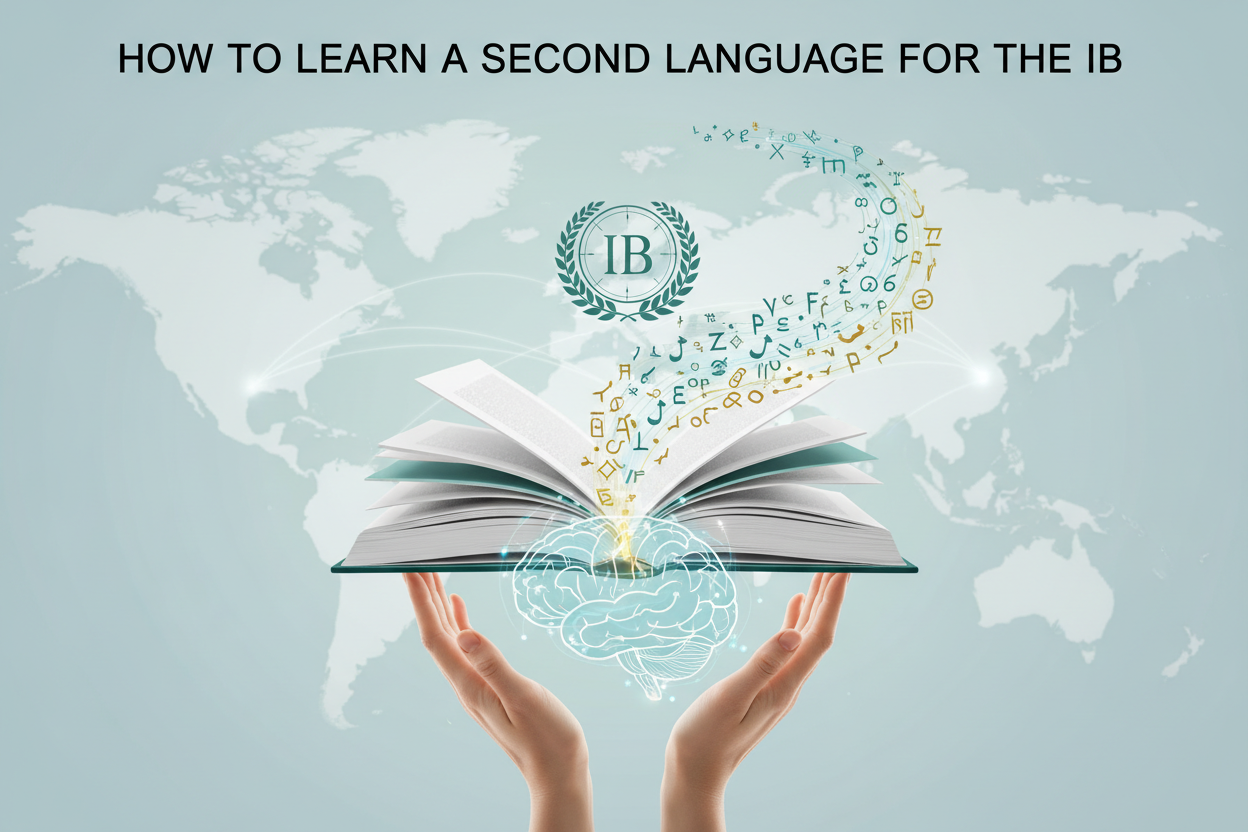
Learn how to master your second language for the IB with expert revision tips covering vocabulary building, grammar practice, and listening skills using top resources like Memrise and Duolingo.

Ace the IB English Lang & Lit exam with this free, comprehensive study guide. Written by 7/7 HL graduates, it features essential exam strategies, top resources, and expert insights.
600+ handpicked tutors from across the world with the best background and experience.

Geography shouldn't limit your potential. Lanterna provides premium online IB tutoring across the world, being partners with 250+ IB schools worldwide. Our country guides explore how the IB landscape shapes up and how our tutoring supports it perfectly.

1 hour of online tutoring in any subject with a 40+ IB graduate who scored a 7 in your subject.
No strings attached. By filling out the form you accept our T&Cs.
We are IB experts committed to achieving your academic goals.