
Graduates
- Scored 40+ in the IB and 7s in the subjects they teach.

Learn how to master your second language for the IB with expert revision tips covering vocabulary building, grammar practice, and listening skills using top resources like Memrise and Duolingo.
It’s an IB curriculum requirement that students take at least one second language (a group 2 subject). For the less linguistically inclined learning a new language can be daunting. Students that breeze through higher level maths suddenly find themselves stumped when having to learn French. Thankfully, now more than ever students have access to a variety of resources to make learning a language easier.
Building your vocabulary is essential to learning a second language. Many past IB students know how useless it is to be able to conjugate a verb in the past perfect if you can’t read a simple newspaper article. In fact, increasing your vocabulary will improve everything else, from your speaking abilities to your grammar, by letting you read and listen to media in the language that you are learning.
Vocabulary building is a two-step process: first you need to make a word list, then you need to memorise the meaning and spelling of those words so that you can recognise and use them yourself. Write down any words that you come across in class that you don’t know in a special list. At the end of the day or week look all those words up and make flash cards so that you can repeat them until you learn them.
The internet is fantastically useful for this. We recommend using Memrise. This free website give you access to already built word banks that you can practise online, whether it’s Swahili, German, or Mandarin. The words that you have most difficult with come up more often so that you can spend your time learning the things you have the most difficulty with. It also lets you build your own word lists to practice with. The best part is that it also has an app so that you can practice anytime, like when you’re waiting for a bus or sitting on the train.

It’s not enough to just know loads of words; you need to be able to use them correctly. Learning grammar can be one of the trickiest parts of learning a language. Unlike vocab, learning grammar requires more than just repetition, you need to understand how to apply the rules, as well as knowing all the exceptions. Reading is a surprisingly good way to learn grammar, as you see how native speakers use their own language. Start with something really simple, like a children’s book, and to gradually build up to more complicated things, like a newspaper article.
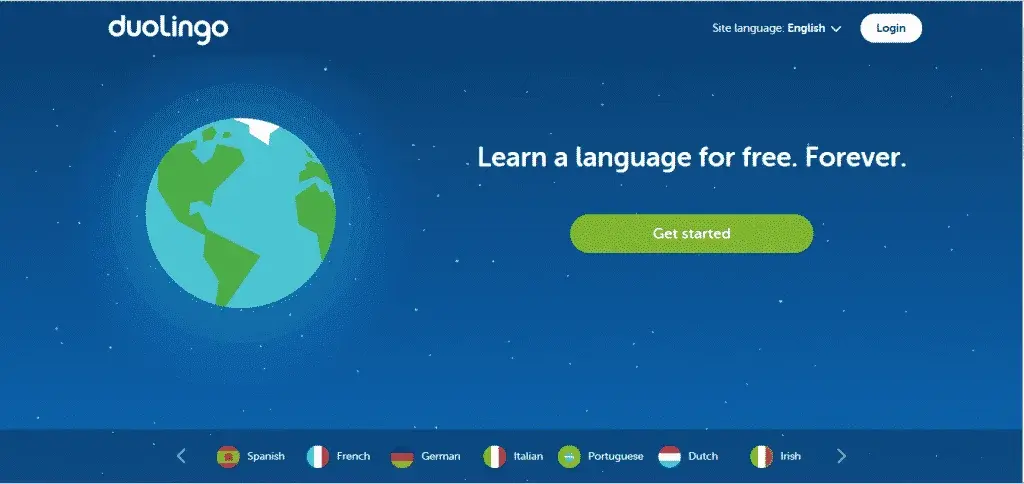
Another great way to learn grammar is through practice. Duolingo has loads of free exercises and multiple choice questions. It corrects you automatically and keeps score, so that you can see yourself improving in real time.
It’s surprising how much of a language you can pick up passively just by listening to it. Watch movies and TV shows and listen to music in the language you’re learning for a somewhat more relaxing approach to learning. You can put on subtitles in English or you’re native language at the beginning. Just like reading, start simple. Usually it’s easy to find old children’s TV shows on YouTube, which is a great resource to practice your listening skills. It’s also common to have news podcasts specifically for language learners that go slowly and enunciate their words, such as this simplified French news podcast.
Learning a language doesn’t have to be a drag. Try and make it as much of a game as you can. Use Memrise and Duolingo to have a more interactive experience. If you know you like nature documentaries look them up in the language that you are learning. Find a buddy that is a native speaker and practice with them. In the end learning a language comes down to two things: putting in the time, and finding a method that works for you- so start being creative with your language learning!

Your expert guide to the IB Language B syllabus and assessment. Learn the five key themes and get a clear breakdown of requirements for Paper 1, Paper 2, and the Oral IA.

Learn how to ace your IB French B oral exam with expert revision tips, including key grammar showcase strategies and the 3-layered analytical approach for success.

Master IB Language B learning techniques with top tips on reading, speaking, and listening from an IB expert. Achieve fluency and ace your language exams with effective study routines.
.png)
IB English: Lang & Lit vs. Literature? Compare syllabus, SL/HL assessments, and reading lists to choose the right course for your IB Diploma.

Deciding between IB Literature and Language & Literature? Learn the exact differences in focus, texts studied, and assessment requirements for IB English A courses.
Learn how to write a commentary for IB Language and Literature Paper 1 with an expert's 14-step guide. Master SL/HL assessment criteria and ace your IB exam.

Master the IB English Paper 2 comparative essay. Learn how to structure your answer, manage time, and apply expert revision tips for a balanced, high-scoring response.
Master your IB exams by understanding key command terms. Our expert guide provides a complete list of definitions for terms like 'analyze', 'discuss', and 'evaluate'.
600+ handpicked tutors from across the world with the best background and experience.


Geography shouldn't limit your potential. Lanterna provides premium online IB tutoring across the world, being partners with 250+ IB schools worldwide. Our country guides explore how the IB landscape shapes up and how our tutoring supports it perfectly.

1 hour of online tutoring in any subject with a 40+ IB graduate who scored a 7 in your subject.
No strings attached. By filling out the form you accept our T&Cs.
We are IB experts committed to achieving your academic goals.